
India Pharma Outlook Team | Friday, 24 April 2026
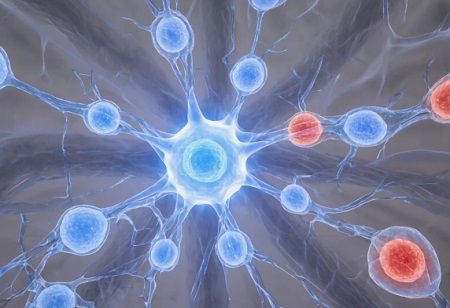
Scientists have uncovered a new clue about how anxiety disorders may develop in the brain, pointing to a surprising source — the brain’s own immune cells in the brain. A recent study conducted in mice suggests that calcium activity inside specialised immune cells could play a major role in anxiety-related behaviour and compulsive actions.
The research focused on microglia cells, a type of immune cell found in the brain and spinal cord. These cells are usually responsible for protecting the nervous system by removing damaged cells and fighting infections. However, researchers are increasingly finding that microglia also influence emotions, behaviour, and mental health research.
In this study, scientists examined a specific group of microglia known as Hoxb8 cells. These cells appear to have a strong connection to emotional regulation. Researchers discovered that brain calcium signaling within these immune cells may affect how anxiety behaviours develop.
Using advanced laboratory techniques, scientists activated Hoxb8 microglia in healthy mice. After stimulation, the animals showed noticeable signs of anxiety-like behaviour and excessive grooming, a pattern often linked to compulsive behaviour. The researchers then monitored calcium levels inside these cells and found a clear connection between increased calcium activity and behavioural changes.
Also Read: Cipla Secures USFDA Approval for Generic Respiratory Inhaler
The study revealed that calcium levels spiked when the mice displayed anxious behaviour. Once the behaviour ended, calcium levels dropped back to normal. However, mice that were naturally more prone to anxiety maintained consistently high calcium levels, suggesting a possible link between prolonged calcium activity and chronic anxiety symptoms.
Researchers believe calcium acts as a signaling mechanism that allows these immune cells to communicate with nearby brain circuits involved in stress and emotional responses. This discovery could help explain how certain biological processes contribute to brain immune system responses and obsessive-compulsive behaviours.
Although the findings are based on animal research, scientists say the results offer an important step toward understanding neuroscience studies at a deeper level. Future studies may determine whether similar mechanisms exist in humans.
The research could eventually lead to new anxiety treatment research approaches that target brain immune cells rather than focusing only on traditional chemical pathways. Such therapies may provide more precise ways to manage anxiety and related mental health disorders in the future.
.jpg)