How Global Capability Centers are Shaping the Future of Biometrics

How Global Capability Centers are Shaping the Future of Biometrics

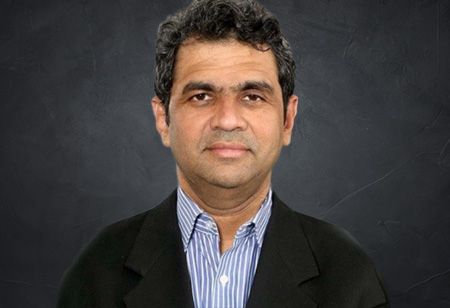
Nagalakshmi Shetty, Country Head India & Vice President, Clinical Data Science, ICON plc

 How Global Capability Centers are Shaping the Future of Biometrics

In an interaction with India Pharma Outlook, Nagalakshmi Shetty, Country Head – India & Vice President, Clinical Data Science at ICON plc, discusses India's emergence as a hub for Global Capability Centres (GCCs), particularly in healthcare. She highlights talent availability, cost advantages, government support, and future trends, emphasizing GCCs' evolution from cost-saving units to innovation-driven strategic centers for global businesses. A recognized industry leader with over two decades of experience, Nagalakshmi serves on the SCDM India Board and was its first female India Chair. At ICON, she leads the Networking Organisation for Women (NOW) in APAC, championing gender diversity and inclusion.

What is a GCC, and why has India emerged as one of the preferred locations for GCCs? 

Global Capability Centres (GCCs) are strategic arms of multinational corporations. They utilize a diverse and skilled offshore talent pool, with the center representing a substantial percentage of the global workload. The nature of work spans from operations, global business services, and consulting to R&D services, technology and transformation.

While there are GCCs in regions across the globe, such as Latin America, Eastern Europe and Southeast Asia, India has emerged as a preferred choice, providing scalability, a skilled workforce and cost-effectiveness. It has more than 1,700 GCCs with a US$64 billion market size, poised to grow at a 10% compound annual growth rate. This is nothing short of remarkable. It is estimated that one GCC is added every week, at which rate it is anticipated will contribute 1-2% of India’s GDP. India is projected to become the third-largest economy by 2030, according to Standard & Poor Global Market Intelligence.

Looking at their evolution, GCCs began in the early 1990s as companies identified the available talent pool that offered substantial cost savings through labor arbitrage. It progressed to a phase of enhancing process knowledge and quality. As these companies have been in operation for a significant period, they have produced professionals with extensive domain expertise who are at the forefront of driving innovation. This transition has resulted in more global multinational companies operating from the region and delivering significant value to their parent companies.

Can you tell us about the Healthcare GCC Landscape? 

Healthcare companies such as Novartis were among the early adopters in establishing GCCs. There has been a surge in the setup of GCCs in the past few years. Many pharmaceutical companies have seen their India-based GCCs become the primary hubs for their parent organizations, with headcounts reaching the thousands and growing rapidly. Companies such as Elly Lilly, Sanofi, BMS, Takeda, Astra Zeneca and Amgen are setting up GCCs. According to the Organisation of Pharmaceutical Producers of India (OPPI), there are close to 40 Pharma GCCs in India. Hyderabad is emerging as a preferred location, with significant investments ranging from €400 million by Sanofi to Amgen leasing a 500,000 sq ft facility. Bangalore boasts the highest number of GCCs in India, and companies, including GSK and Takeda, have centers there.

Healthcare GCC centers have multiple teams covering industry-specific responsibilities such as drug development, clinical, data management, biostatistics, medical writing, regulatory, and pharmacovigilance. In addition, they cover broader operational needs such as digital and technology, HR services, finance, procurement, legal, risk and compliance, and commercial. Bringing teams together through GCCs offers transformation and collaboration opportunities, fuelling the innovation ecosystem.

Why has there been a surge of Pharma companies setting up GCCs in India? 

Healthcare and pharma organisations constantly seek to accelerate drug development whilst ensuring patient safety. GCCs can be leveraged to drive innovation, transformation, and enhance their core business processes. Being a mature market, India has talent at scale. These talented professionals add value to current processes, collaborate with their global counterparts and deliver critical responsibilities. While wages are going up due to demand for talent, there is a significant cost advantage compared to the other geographic regions, especially more developed ones. This model is sustainable, considering India produces 2.4 million STEM graduates every year, which continues to grow and is expected to overtake China by 2030.

India is an attractive location for pharma company GCCs due to our English-speaking workforce and robust innovation ecosystem fuelled by government policy support. There are tax benefits, infrastructure supports and grants other benefits include technology parks, special funds for AI, and university-industry collaborations bridging the gap between industry and academia. The market is also conducive to bringing more clinical trials to India.

ICON has been part of the GCC ecosystem for many years. What are some of the dos and don’ts for companies just setting up? 

ICON is a prominent leader in the healthcare service sector and has operated in India for more than 20 years. We have built our team over many years, developing deep expertise and a talent pool. Newer companies setting up now must try to achieve this in a shorter timeframe. Regardless of India's potential, it is crucial for a GCC strategy to have support from C-Level management. Without top-down sponsorship, success may be slower or restricted.

We require not only employees and their immediate managers but also experienced senior leaders to be based in India. They help build an effective team with the right culture. They know what works, understand effective strategies, foster collaboration with the global team and empower the local team to reach its full potential. Empowering local leaders is vital, and a clear operating model is essential for success.

It is crucial to grant autonomy at the local level to speed up and maximize the team's capabilities. Equally, a lack of collaboration with the global team can result in numerous obstacles. To overcome this, ensure that everyone within the global team and GCC are striving towards a clearly defined and unified vision. Synergy, knowledge sharing and a supportive ecosystem are critical for success. While building a team a robust governance framework with clear accountability and definitions of what success looks like will help the GCC to excel. Transparency in reporting progress and clear communication are vital for managing change. A supportive ecosystem should underpin everything. Networking and collaboration are necessary to establish a culture that embodies the principle of thinking globally and acting locally. This can be achieved with secondments, in-person meetings, and collaborative workshops. 

Finally, it’s important for GCCs to focus on investing in talent development rather than solely relying on external hires. Collaborating with academic institutions to cultivate industry-ready talent ensures GCCs can secure a sustainable long-term talent pipeline.

How do you see the evolution of GCCs in Healthcare? 

We expect an increase in the establishment of new GCCs by other companies, spurred on by the existing thriving GCCs. There is an expected trend towards multi-centre GCCs expanding into Tier II cities. Companies will evolve to find their particular balance between insourcing and outsourcing. GCCs will continue to collaborate with expert vendors/partners in their respective fields to achieve their end goals faster, better and at optimal cost.

GCCs have already evolved from focusing on cost savings to adding value. They will continue to mature to have end-to-end functions and drive innovation. The fascinating journey of moving up the value chain will mean even more opportunities, continued focus on talent development, retention and excellence in delivery. The potential for growth and impact is limitless. It is up to GCCs to seize these opportunities to shape the future of their organizations.


on the deck

Most Viewed

Addressing Antimicrobial Resistance (AMR) Through Collaborative Efforts Fostering a Quality Culture in the Pharmaceutical Industry Advancements in Computer-Aided Drug Design for Pharmaceutical Research Why India is Gaining Popularity for Clinical Trials The Future of Kidney Transplants in India Usage of Conversational AI in the Health Insurance Sector Strategies for India to Reduce Its API Dependence on China Business Impact of USFDA Approvals on Indian Pharma Companies Innovative Strategies for Expanding Access to Life Saving Healthcare Solutions Badhal Village Crisis: How Rapid Diagnostics Could Have Saved Lives Why India is a Hotspot for Biotech Startups? Why Adapting Flexibility in IP Rights will Drive Generics Market Meeting the Challenges of High-Potency API (HPAPI) Production Impact of Human Factors Engineering on Medical Device Safety The Future of Pharma: Embracing Continuous Manufacturing The Role of Orphan Drugs in Treating Rare Diseases Emerging Technologies Shaping the Future of Drug Formulation Strategies for Optimizing Pharmaceutical Supply Chain Efficiency The Future of Medicine: Harnessing the Power of RNA-based Therapeutics AI in Medicine: Unmasking the Myths and Embracing the Transformative Reality Cycle Pharma Acquires Banner Life Sciences WHO's First-ever Global Summit on Traditional Medicine Starts in Gujarat The Importance of Data Integrity in Pharmaceutical Quality Control DCGI in Talks with Stakeholders to Develop a Standardised Web Platform to Assure Drug Quality and Patient Safety Glenmark Pharmaceuticals secures ANDA Nod for 0.03 per cent Tacrolimus Ointment Streamlining Laboratory Operations with a Modern LIMS Healthtech Start-up Suraksha QR Ropes In Actor Murali Sharma as its Brand Ambassador Unlocking the Potential of Pharmacogenomics: Enhancing Drug Safety and Efficacy The Impact of Pharmaceutical Testing on Drug Development India has Identified Three Health Priorities to Strengthen Global Health Infrastructure, says WHO National Health Authority launches 100 Microsites Project to Speed Up Digital Health Adoption India Should Partner with Australia to avail PBS for the Selection, Listing, and Pricing processes of exported drugs, says Sudarshan Jain Zydus Lifesciences India More than Doubles Profit Due to Increased Sales in the US India Triples Organ Donations over Past Decade says Union health minister Mansukh Mandaviya Advent Therapeutics Awarded $3 Million NIH Grant For Novel Neonatal Lung Therapy Three Pharma Marketing Strategies That Drive Sales Novartis Targets India's Rare Disease Market with 17 Clinical Programs UK Health Regulator approves GSK's Vaccine for the common respiratory virus RSV WHO Urges Increased Use Of Recommended Malaria-Fighting Tools Karnataka Budget Offered a Significant Boost to Health & Lifesciences Start-ups with Focus on Infrastructure & Innovation Three High Potential Moonshot Project Areas in Pharma CCI approves Bharat Biotech International-Eastman Exports deal How Biotech is Revolutionizing the Fight Against Cancer LifeCell and HaystackAnalytics ink strategic pact to scale-up TB whole genome sequencing pan-India Mankind Pharma IPO To Open On April 25 With A Price Fixed At Rs 1,026-1,080 Per Share US CDC Approves Second Omicron-Updated COVID Booster For Adults Three Trends that will Impact Pharmaceutical Industry in 2023 ModeX Therapeutics Commences Phase I EBV Vaccine Trial with Merck Designing Impactful Leadership and Talent Management Programs with Strategies for Success Novo Nordisk and Valo Health Partner to develop novel Treatments FOPE Calls for Extended Deadline for Schedule M Compliance Telix Pharma To Acquire ImaginAb to Boost Therapeutics and Innovation Roche Secures US FDA Approval for its Ultra-Sensitive ISH test Rappta Therapeutics and SpringWorks Partner on Molecular Glue Targeting PP2A Taro Pharma To Acquire entire stake in Antibe Therapeutics Innovent Biologics Secures Breakthrough Therapy Designation for IBI343 Emcure Pharma Launches Largest R&D Centre in Ahmedabad Zydus Bags USFDA Nod for Phase II(b) Trial to Optimize Usnoflast Dosage US FDA Approves Amgen's Lumakras-Vectibix Combo for KRAS G12C-Mutated mCRC Glenmark Pharma Unveils generic anticoagulant injectable emulsion Strides Pharma Bags USFDA Nod for OTC Acetaminophen-Ibuprofen Combo Tablets US FDA Lifts Hold on Sanofi's Trial to Make Cialis Available Over-the-Counter Hoth Therapeutics Expands Intellectual Property with New Patents Jaguar Health Starts POC Trial of Crofelemer for Rare Pediatric Disease MVID Pharma and Healthcare Sector Eyes Union Budget 2025 for Innovation Boost How Innovative Drug Formulations are Enhancing Treatment Outcomes Apollo and Mayapada Healthcare Unite to Boost Indonesia's Healthcare Novo Nordisk Reports Positive Phase 1b/2a Results for Amycretin Govt to Extend Schedule M Compliance Deadline for Drug Manufacturers to Dec Lupin Secures US FDA Nod for Ipratropium Bromide Nasal Solution ANDA Granules Pharmaceuticals Secures USFDA Nod for Key Generic Drug Bajaj Healthcare Bags DCGI Nod to Manufacture Pimavanserin API & Formulation Union Budget 2025: Healthcare Gets 9.78% Boost, Allocation Nears 1 Lakh Crore Metropolis & Roche Launch Self-Sampling HPV Test for Cervical Cancer Sigachi Industries Invests $1M in Hyderabad R&D Hub for API Innovation Pharma Testing Market Surges with Rising Demand for Biologics ISTH Releases Clinical Practice Guideline For Haemophilia Treatment Sanofi and Biovac Lead Polio Vaccine Manufacturing Capabilities Sun Pharma and Takeda Ink Pact To Market Gastrointestinal Drug Takeda and Ascentage Pharma Ink Option Agreement For Olverembatinib Enhancing Compliance through Effective Pharmaceutical Regulatory Affairs Strategies India poised to become a Global Hub for Clinical Trials: Exec SCHOTT Pharma Unveils Next-Gen Polymer Syringes for Enhanced Safety GSK's Jemperli Gains EU Nod for First-Line Treatment of Endometrial Cancer Union Health Secretary Urges Stronger Drug Regulations for Quality Control Telangana Govt Inks Landmark Deals to Propel Life Sciences and Job Growth R&D in Indian Pharma: Breakthroughs and Innovations in 2024 Dr. Reddy's Partners with Shanghai Henlius to Develop Cancer Drug Uniphar Expands Global Footprint with Three New Facilities 74th Indian Pharmaceutical Congress 2025 Opens Registrations AGC Pharma Expands HPAPI Capabilities in Barcelona to Meet Growing Demand The Future of Genomic Sequencing: Trends That Will Define the Next Decade Lexaria Bioscience Ethics Review Board Nod to Commence New GLP-1 Study Amitabh Kant Urges India to Focus on Innovation at BioAsia 2025 Government Enhances Research & Integration Initiatives in Unani Medicine Blind & Deaf individuals face Major Barriers to access Medicines: Report C-CAMP and PariSante Campus launched Indo-French Life Sciences Hub Jaguar Health Begins Pediatric Trial for Crofelemer in Short Bowel Syndrome Algiax Pharma Reports Promising Phase 2a Results for AP-325 Govt Bans 34 Antimicrobials for Use in Animals Pharmaceutical Procurement Strategies: How to Optimize Costs Personalized Medicine: Get Tailored Treatment Plans for You Now How to Bridge the Healthcare Gap in Emerging Markets with MedTech The Evolution of In-Vitro Diagnostics: Trends and Future Prospects Needle-Free Injection System: A Game Changer in Less Pain Vaccination How Global Capability Centers are Shaping the Future of Biometrics Building a Successful Pharma Brand in India: The Role of Scientific Communication Unlocking India's Innovation Potential in Pharma The Future of Green Chemistry in API Production Top 10 Pharmaceutical Recruitment Consultants - 2024 | Pharma Outlook Blockchain for Secure Pharmaceutical Supply Chains - 2025 & Beyond Mass Spectrometry in Biomarker Discovery for Early Disease Detection Iconovo and Lonza Team up to Advance Intranasal Biologic with ICOone Nasal Fetal Imaging to Cardiac Diagnosis: The Expanding Role of Ultrasound Balancing Innovation and Affordability in Medical Solutions for India Changing Landscape for LTBI and Syndromic Testing Methodologies How Advanced Training Methods can Enhance Patient Care Balancing Cost Efficiency and Compliance in Pharmaceutical Manufacturing LUB Urges Govt to Scrap Mandatory Lab Testing for Cough Syrup Exports Role of Optical Imaging in Early Cancer Detection and Treatment Hoth Therapeutics Unveils Promising Data for KIT-Targeting Therapy Pharmexcil Engages ASEAN Nations to Boost Pharma Trade Ties Fortis Partners with Teleflex for South Asia UroLift Training Anti-Infectives: How New Research is Shaping Infection Control Building Bridges for Sustainable Growth through Strategic Alliances in Ethical Pharmaceuticals Quality as the Cornerstone of Lab Solutions FDA Approves Roch's NSCLC Diagnostic Linked to Emrelis How Early Detection is Transforming Cancer Treatment in India Ensuring Data Privacy in Pharma World Enhancing Clinical Trial Supply Chain Resilience to Address Global Disruptions in India Cost-Effectiveness of Minimally Invasive Surgery in Outpatient Settings How Organic Synthesis is Accelerating Drug Discovery in Pharma Strategic finance for pharmaceutical innovation and stability Top 10 Teleradiology Service Providers - 2024 | Pharma Outlook Importance of Investing in R&D and Quality for Competitive Advantage in Eye Care Top 10 In Vitro Diagnostics Companies - 2024 | Pharma Outlook Phytopharmaceuticals: Driving Global Herbal Medicine Innovation Gender Gap in Healthcare: Why Women's Health Needs More Research Impact of Modern Technology on the Indian Life Sciences Sector Why Global Pharma Expects CDMOs to Be Ready for Joint Inspections The Role of Customizable Stent Grafts for Treating Complex Anatomies Nutraceuticals vs Pharmaceuticals: Complementary or Alternative in Chronic Disease Management? Top 10 Pharma CDMO Companies In India – 2023 | Pharma Outlook Leaping Towards Global Compliance with Revised Schedule M Meril Concludes TechVentory, Boosts AI-Driven Healthcare Supply Chains 10 Pharma Sector Revolutions in India Standardizing Medicine Labeling and Embracing Digital Transformation Creating a patient-centric healthcare ecosystem for all Biomanufacturing of Enzymes: A Sustainable Approach to Industrial Biotechnology Integrating CSR into HR Practices to Enhance Brand Reputation in Pharma Merck Launches Phase 3 Trial for Promising Dengue Vaccine V181 Breakthrough: Eye-Opening Healthcare Strategies Doctors Swear By on Doctor's Day 2025 Bristol Myers Squibb Reports Strong Phase 3 Results for Deucravacitinib trail Alcon Launches Innovative Daily Lenses Designed for Long-lasting Comfort Apisolex Excipient by Lubrizol Backs Phase I Drug Success FDA Approves Enflonsia to Prevent RSV in Infants with One Dose Biosimilars in India 2025 Market Trends, Growth Forecast & Opportunities How Regulations Are Shaping India's Medical Device Landscape Bharat Biotech Partners with GSK for Shigella Vaccine Development Eli Lilly Obesity Drug Shows 11.5% Weight Loss in 12 Weeks Laborate Pharmaceuticals: Illuminating Pathways Of Quality, Affordability Innovation In Healthcare Sun Pharma Bags CDSCO Approval to Produce Fexuprazan Hydrochloride Tablets The Fusion of Biology, Medicine, Health, and AI Glenmark Gets DCGI Nod to Launch Oncology Drug BRUKINSA in India Kyndryl Partners with Dr Reddys to Automate Global IT Operations How Robotic Assisted Surgery Is Redefining Precision in Kidney Transplants Top 10 Women Disruptors in Asia Pharmaceutical Industry

Editor's Guest

Related Articles


© 2025 India Pharma Outlook. All Rights Reserved.