India Pharma Outlook Team | Monday, 08 June 2026
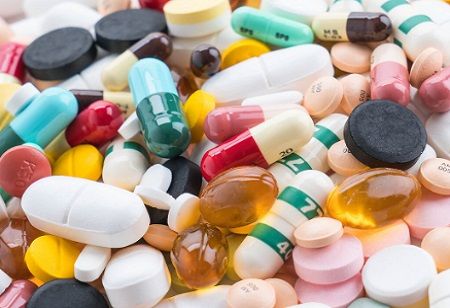
The Central Drugs Standard Control Organisation (CDSCO) has flagged several drug samples linked to some of India’s leading pharmaceutical companies as Not of Standard Quality (NSQ) for April 2026, highlighting ongoing concerns around drug quality checks and regulatory monitoring.
According to the regulator’s monthly report, medicines labelled as manufactured by companies such as Sun Pharmaceuticals, Alkem Health Science, and Alembic Pharmaceuticals were among those that failed quality testing carried out by government laboratories during the month.
Among the medicines declared NSQ was a sample of amoxycillin and potassium clavulanate tablets IP labelled as manufactured by Sun Pharmaceuticals Industries.
Alkem Health Science also had multiple products on the list, including combination amoxycillin and potassium clavulanate tablets IP, cefixime tablets IP 200 mg, and calcium with vitamin D3 tablets.
A sample of telmisartan tablets IP 40 mg labelled as manufactured by Alembic Pharmaceuticals was also found to have failed quality standards.
The CDSCO report further listed several other medicines that did not meet required standards. These included compound sodium lactate injection IP from Paschim Banga Pharmaceuticals, cefpodoxime tablets IP 200 mg and telmisartan with amlodipine tablets IP from Aristo Pharmaceuticals, and a combination medicine containing L-Carnitine, L-tartarate, mecobalamin, and folic acid tablets from Mankind Pharma Ltd.
In addition, samples from Exemed Pharmaceuticals and Sresan Pharmaceuticals — including sitagliptin and metformin prolonged-release tablets BP and cyproheptadine hydrochloride syrup IP — were also declared NSQ.
Also Read: NPPA May Approve Price Hike for Key Cancer Drugs Amid Cost Surge
However, the drug regulator clarified that such findings are limited to the specific batch tested and should not automatically be seen as a reflection of the overall quality of all medicines sold under the same brand.
“Identification of drug samples as NSQ is done based on failure of the drug sample in one or the other specified quality parameters. The failure is specific to the drug products of the batch tested by the government laboratory and it does not warrant any concerns on the other drug products available in the market,” CDSCO said.
The regulator’s data also pointed to delays in reporting from several states and Union Territories. Information related to NSQ drug samples for April 2026 was still pending from at least 17 states, including Arunachal Pradesh, Andhra Pradesh, Bihar, Chhattisgarh, Goa, Haryana, Jharkhand, Manipur, Meghalaya, Mizoram, Nagaland, Punjab, Sikkim, Tamil Nadu, Uttarakhand, and Uttar Pradesh.
Several Union Territories, including Andaman and Nicobar Islands, Dadra and Nagar Haveli, Daman and Diu, Delhi, Ladakh, and Lakshadweep, also had not submitted data to the central regulator.
Interestingly, Odisha and the Union Territories of Chandigarh and Jammu and Kashmir were listed among regions with pending reports, even though detailed NSQ data from laboratories in these areas appeared in the final release. This has raised questions about possible inconsistencies in reporting.
There also appears to be a gap in the total number of NSQ samples reported. While CDSCO had earlier announced that 169 drug samples were identified as NSQ in April 2026, the detailed list released later contained information on only 120 samples, including 78 tested by state laboratories.
Apart from substandard drugs, the regulator identified one sample of ursodeoxycholic acid tablets IP as a spurious drug during the month. CDSCO said the product had been manufactured by unauthorised entities using brand names owned by other companies. The matter is currently under investigation, and action will be taken under the Drugs and Cosmetics Act and Rules.
The regulator added that identifying substandard medicines and spurious medicines is part of a regular monitoring process conducted jointly with state authorities to ensure unsafe or poor-quality medicines are removed from the market. In March 2026, CDSCO had similarly reported 168 NSQ drug samples and one spurious drug case from Bihar.
.jpg)