
India Pharma Outlook Team | Wednesday, 13 May 2026
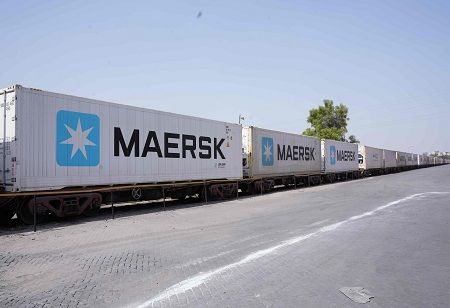
India’s pharmaceutical export sector is set to benefit from a new cold-chain rail service launched between Hyderabad and Mumbai, a move expected to improve the transportation of temperature-sensitive medicines and strengthen the country’s export supply chain.
Introduced by Maersk in partnership with CONCOR, the dedicated rail corridor aims to provide safer, faster, and more reliable movement of pharmaceutical cargo from manufacturing hubs to ports, helping exporters overcome several long-standing logistics challenges.
The weekly refrigerated rail service connects Hyderabad, one of India’s biggest pharma manufacturing centres, with Nhava Sheva port near Mumbai. The route has been specially designed for medicines that require strict temperature-controlled logistics during transit, including vaccines, biologics, insulin, specialty drugs, and other sensitive pharmaceutical products. Industry experts believe the service will help Indian medicine exporters improve shipment quality and reduce the risk of product damage during transportation.
Also Read: Roche Blood Test Breakthrough Advances Early Alzheimer's Detection
India is one of the world’s largest suppliers of generic medicines and vaccines, exporting pharmaceutical products to over 200 countries. However, exporters have often struggled with logistics-related problems while moving medicines from factories to ports and airports. Most pharmaceutical cargo currently travels by road, where delays caused by traffic congestion, fuel price fluctuations, and inconsistent cold-chain infrastructure handling can affect delivery schedules and product quality.
Also Read:
Temperature-sensitive medicines are especially vulnerable during long-distance transportation. Even small variations in temperature can reduce the effectiveness of certain drugs and vaccines, leading to financial losses for exporters and supply disruptions for global buyers. During summer months, extreme heat conditions across many parts of India further increase the risk of temperature excursions in transit.
Industry stakeholders say the new cold-chain rail service could offer a more dependable alternative to road transport. Refrigerated containers used in the rail network are designed to maintain stable temperatures throughout the journey, helping ensure product safety and compliance with international pharmaceutical standards. Rail transportation can also provide more predictable transit times while reducing carbon emissions compared to traditional trucking.
The service additionally includes cold-chain monitoring, documentation support, compliance assistance, and last-mile connectivity for exporters. Logistics experts believe such integrated services could help pharmaceutical companies streamline pharma exports operations and reduce spoilage risks.
Exporters are now calling for similar rail corridors to be expanded to other major pharmaceutical hubs such as Ahmedabad, Bengaluru, Pune, and Visakhapatnam. Industry leaders believe stronger refrigerated transport systems and rail-based logistics networks will play an important role in supporting India’s growing pharmaceutical supply chain and improving the country’s position in the global healthcare market.
Maersk is one of the world’s leading shipping and logistics companies, operating in more than 130 countries with a workforce of over 100,000 employees. The company reported steady business growth in Q1 2026 despite global shipping challenges and rising fuel costs. Maersk is also strengthening its sustainable logistics network, including launching India’s first dedicated reefer rail service for pharmaceutical transportation.
CONCOR is one of India’s largest logistics and container transport companies, providing rail cargo movement, warehousing, and supply chain services nationwide. Recently, the company announced temporary support measures for exporters affected by shipping disruptions, including free storage facilities and fee relaxations to help ensure smoother cargo transportation and reduce supply chain delays.


.jpg)
