India Pharma Outlook Team | Monday, 29 June 2026
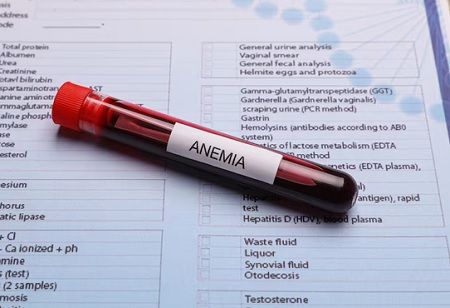
India has taken another step to tackle Anaemia by expanding its flagship Anaemia Mukt Bharat programme.
The government has launched a new 7x7x7 strategy, bringing low birth weight babies up to six months of age under the national mission for the first time.
The move aims to identify and treat Anaemia at an earlier stage while improving care for mothers and newborns across the country.
The updated strategy goes beyond iron supplements. It focuses on early testing, better treatment, digital tracking, and healthy eating habits to reduce the burden of Anaemia among vulnerable groups. Health experts believe this change could help lower the risk of poor pregnancy outcomes, delayed child development, and other health complications linked to iron deficiency.
The Union government has upgraded the existing 6x6x6 framework to a 7x7x7 strategy under Anaemia Mukt Bharat. The biggest addition is the inclusion of low birth weight babies aged up to six months, as they are more likely to develop Anaemia early in life.
The revised programme also adds a new institutional mechanism that focuses on stronger digital monitoring and follow-up of beneficiaries.
Another major change is the shift from the earlier T3 approach—Test, Treat and Talk—to T4, which stands for: Test, Treat, Talk and Track.
The addition of "Track" aims to ensure that patients continue treatment and receive regular follow-up instead of being left out after diagnosis.
Also Read: Localization Without Isolation: India’s Semiconductor Strategy
The updated programme also improves treatment options for women suffering from severe Anaemia.
Pregnant and breastfeeding women who have severe Anaemia or do not respond to oral iron tablets can now receive intravenous iron therapies, including ferric carboxymaltose and iron sucrose, as recommended under national treatment guidelines.
The government is also placing greater focus on nutrition through an Eating Right campaign. The initiative encourages people to consume a balanced diet rich in iron instead of depending only on supplements. The goal is to improve long-term nutrition and reduce the risk of iron deficiency across different age groups.
Technology will play a bigger role in the revised mission.
Under the new strategy:
The government believes this system will improve monitoring, strengthen implementation, and reduce gaps in healthcare delivery.
Anaemia continues to be one of India's biggest public health challenges. It affects women, children, and adolescents and is associated with several health risks, including:
By expanding the target group and strengthening treatment, nutrition, and digital monitoring, the government hopes to improve early detection and reduce the overall burden of Anaemia in the country.
As India rolls out the 7x7x7 strategy, the success of the programme will depend on effective implementation, timely screening, regular follow-up, and greater awareness about healthy eating and iron deficiency prevention.
.jpg)