
India Pharma Outlook Team | Tuesday, 14 April 2026
The Indian government has outlined a clear strategy to transform the country’s pharmaceutical sector from being the “Pharmacy of the World” — known for affordable generics — to a global leader in high-value innovations, especially biologics and biosimilars. The announcement came during the 9th edition of ‘India Pharma 2026’, where senior officials highlighted policy support, regulatory reforms, and capacity building to meet evolving global health demands.
For decades, India has supplied over 20% of the world’s generic medicines and met around 70% of global vaccine demand, establishing itself as a cost-effective manufacturing hub. However, with rising demand for complex therapies in oncology, autoimmune diseases, and personalised medicine, the limitations of a volume-driven generics model have become apparent. Patent expirations on major biologics, increasing competition, and the need for higher-margin products are driving this strategic shift.
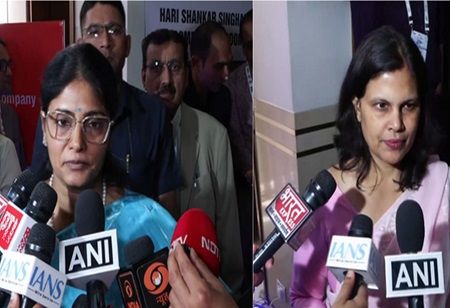
Union Minister of State for Chemicals & Fertilizers and Health & Family Welfare Anupriya Patel emphasised the changing global landscape: “As health-related needs are changing all over the world, the Indian pharmaceutical sector should be more involved in the new field of biosimilars and biologics. More research and development is needed for this mission. The use of artificial intelligence in drug discovery is also being increased and encouraged.”
She added that with necessary reforms and research, the industry can smoothly move “from ‘pharmacy of the world’, from the world of generics, i.e. from volume-led generics to value-led innovations, which we call biologics or biosimilars.”
The Department of Pharmaceuticals is leading the initiative through the ‘India Pharma 2026’ platform, described by Minister Patel as “a very important platform” to enhance the role of the Indian pharmaceutical industry.
Also Read: India's INR 10,000 Crore Startup Fund Boosts Health Tech AND Medtech
Punya Salila Srivastava, Secretary, Ministry of Health & Family Welfare, highlighted the regulatory push: “For us, the development of biosimilars for preventive and curative therapies is very important… this year’s budget announcement has strengthened CDSCO to accelerate, on which we are working.”
Major reforms announced or underway include:
These steps aim to create a more responsive and science-driven regulatory environment that supports high-value product development while maintaining global quality standards.
The move is expected to help Indian companies climb the value chain, attract foreign investment, and reduce reliance on low-margin generics exports. Biologics and biosimilars, being more complex and higher-value products derived from living organisms, offer significantly better margins but require advanced infrastructure, stringent quality controls, and deep scientific expertise.
Industry stakeholders view ‘India Pharma 2026’ as a timely catalyst that brings together manufacturers, global partners, regulators, and investors. The biosimilars market is projected to grow rapidly, reaching an estimated $75 billion globally by 2030, presenting a major opportunity for India.
Challenges and the Road Ahead
While the government’s support through policy, institutions, and digital tools is robust, success will depend on sustained industry investment in R&D, seamless implementation of reforms, and effective public-private collaboration. Building world-class manufacturing facilities and navigating complex intellectual property issues in biologics will also be critical.
As the sector stands at this inflection point, the transition from volume-led to value-led growth could position India not just as the world’s pharmacy, but as a preferred global hub for biopharmaceutical innovation.