India Pharma Outlook Team | Wednesday, 25 November 2026
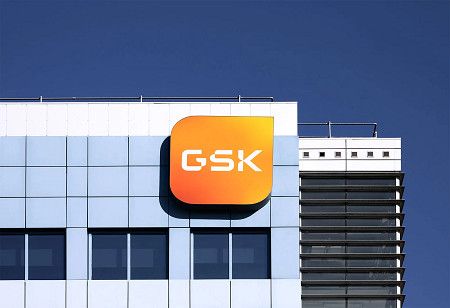
GSK has reported positive late-stage trial results for its immune treatment Exdensur, opening a potential new use for the asthma drug in patients with a rare inflammatory disorder.
The study found that Exdensur delivered comparable efficacy and safety to Nucala (mepolizumab), GSK’s already approved treatment for eosinophilic granulomatosis with polyangiitis (EGPA).
The findings could strengthen Exdensur’s position beyond respiratory diseases and offer patients another treatment option.
Its twice-yearly dosing schedule also stands out, as it could reduce the frequency of injections for people who require long-term disease management.
Also Read: Moving Indian Pharma from Volume to Value Through Innovation and Strategic Partnerships
GSK’s OCEAN study compared depemokimab with mepolizumab in patients with EGPA, a rare immune disorder that causes inflammation in small and medium-sized blood vessels. The condition can lead to breathing difficulties, cardiovascular and neurological problems, and organ damage in severe cases.
According to GSK, the study met its primary goal and showed comparable safety and efficacy between the two treatments. The findings indicate that depemokimab performed on par with mepolizumab in the trial. The results support the potential of this immune treatment to address a rare inflammatory condition beyond its existing respiratory applications.
One of the key differences between Exdensur and Nucala lies in their dosing schedules. Exdensur requires an injection once every six months, while Nucala follows a monthly schedule. This less frequent dosing could reduce treatment burden and offer greater convenience to patients who need continuous disease management.
The dosing difference could make depemokimab an attractive option for patients who seek fewer injections without compromising treatment outcomes. However, regulatory approval will determine whether the drug can enter the EGPA treatment market.
GSK plans to seek regulatory approvals for depemokimab in EGPA during the first half of 2027. The company also expects to present detailed trial findings at an upcoming scientific conference and publish them in a peer-reviewed journal.