India Pharma Outlook Team | Monday, 11 May 2026
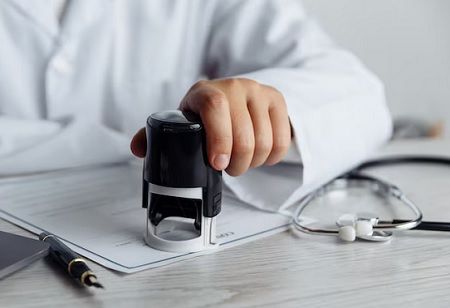
India’s pharmaceutical sector witnessed major regulatory changes between May 4 and May 9 as the Central Drugs Standard Control Organisation (CDSCO) rolled out stricter compliance measures and accelerated approval reforms.
The major regulatory changes covered drug approvals, pharmacovigilance reporting, clinical study permissions, and safety monitoring requirements for pharmaceutical companies operating in India.
The developments come at a time when India continues strengthening its position in the global pharmaceutical supply chain, accounting for nearly 20 percent of worldwide generic medicine exports and supplying drugs to more than 200 countries.
CDSCO Introduces 30-Day Deadline for Regulatory Responses
In one of the most significant policy changes of the week, CDSCO mandated that pharmaceutical companies must respond to regulatory queries within 30 days during the drug approval process.
Under the revised framework:
The regulator said the move was necessary to reduce growing application backlogs and eliminate incomplete submissions that delay approvals.
Industry analysts estimate CDSCO currently handles thousands of pending applications annually across drug imports, manufacturing permissions, and trial approvals. Regulatory officials believe stricter timelines could reduce approval bottlenecks by nearly 20–30 percent over the next year.
The reform is particularly important for India’s emerging biotech and biosimilar sectors, where companies frequently face long review cycles.
Also Read: Choosing the Right CDMO in India: A 2026 Compliance Guide
Regulatory Development | Key Change | Impact on Pharma Industry |
CDSCO Query Response Rule | 30-day deadline for regulatory replies | Faster approvals, fewer pending applications |
PSUR Reporting Update | Safety data counted from launch date | Improved post-market monitoring |
Faster NOC System | Immediate acknowledgment for testing approvals | Reduced development delays |
BA/BE Study Reform | Prior intimation instead of full approval wait | Faster generic drug studies |
FDC Drug Review | Stricter scrutiny of combination drugs | Possible impact on OTC and nutraceutical players |
Semaglutide Approvals | CDSCO approvals for Indian companies | Growth in obesity and diabetes drug market |
India Tightens Pharmacovigilance and Drug Safety Monitoring
CDSCO also intensified enforcement around pharmacovigilance compliance during the week.
Pharmaceutical manufacturers and importers were instructed to improve adverse event reporting timelines and strengthen post-marketing surveillance systems. Companies delaying Periodic Safety Update Reports (PSURs) could face regulatory action, including suspension of approvals.
The regulator noted that delayed safety reporting weakens drug monitoring systems and creates public health risks.
India’s pharmacovigilance market has grown rapidly over the last decade due to increasing exports to regulated markets such as:
According to industry estimates:
As global regulators increase scrutiny on drug safety and manufacturing quality, CDSCO appears to be aligning Indian reporting standards more closely with FDA and EMA expectations.
CDSCO Changes PSUR Reporting Calculation Rules
In another important compliance update, CDSCO clarified that Periodic Safety Update Reports must now be calculated from the actual market launch date of a product rather than from the date of approval.
The change affects:
Regulatory experts say the earlier system often created gaps between approval and commercial launch periods, resulting in inconsistent safety data collection.
The new rule is expected to improve:
This reform is especially relevant as India witnesses rising approvals in:
India Announces Faster Drug Testing Approval System
India’s Health Ministry and CDSCO announced a major digital reform initiative designed to accelerate laboratory testing approvals for pharmaceutical products.
Beginning June 1, 2026:
Previously:
Officials believe the new system could significantly reduce:
The reform aligns with India’s broader effort to position itself as a faster and more globally competitive pharmaceutical manufacturing hub.
Also Read: Pharma CDMOs in India & CDMO 2.0 Model: Detailed Review 2026
CDSCO Moves Toward “Prior Intimation” Clinical Study System
Another major policy shift announced during the week involved bioavailability and bioequivalence (BA/BE) studies.
Under the proposed “prior intimation” framework:
The change is expected to:
India is already one of the world’s largest generic medicine suppliers:
Industry groups have long argued that approval delays reduce India’s competitiveness against China and Eastern European manufacturing markets.
India Pharma Industry Snapshot | Data |
Share in Global Generic Supply | Around 20 percent by volume |
Countries Served by Indian Pharma | 200+ |
USFDA-Compliant Plants Outside US | 650+ |
India Pharma Exports FY25 | About $30.4 billion |
Projected India Pharma Market by 2030 | $120–130 billion |
Global Vaccine Supply from India | Around 60 percent |
India Diabetes Patient Population | 100+ million |
Regulatory Scrutiny Intensifies on Fixed-Dose Combination Drugs
CDSCO also increased scrutiny of fixed-dose combination (FDC) medicines, especially vitamin and mineral combinations lacking strong therapeutic evidence.
India has historically faced criticism for approving irrational FDC products that are not permitted in many developed markets.
Regulators are now reviewing:
The crackdown could impact dozens of manufacturers operating in:
The Indian FDC market represents a multibillion-dollar segment of the pharmaceutical industry, making the review commercially significant.
Aurobindo Pharma Secures Major USFDA Approval
Among the biggest corporate regulatory developments of the week, Aurobindo Pharma received final USFDA approval for generic dapagliflozin and metformin hydrochloride extended-release tablets used in Type 2 diabetes treatment.
Key details:
India’s pharmaceutical exporters increasingly rely on complex generics and specialty drugs to improve margins amid pricing pressure in traditional generic markets.
Indian Companies Accelerate Semaglutide Expansion
The race to enter India’s rapidly expanding GLP-1 and obesity drug market accelerated during the week.
NATCO Pharma Receives CDSCO Approval
NATCO Pharma secured CDSCO approval for generic semaglutide injections in India.
Semaglutide demand has surged globally due to:
India currently has more than 101 million diabetes patients, according to International Diabetes Federation estimates, making it one of the world’s largest diabetes markets.
Glenmark Pharmaceuticals Launches GLIPIQ
Glenmark Pharmaceuticals launched GLIPIQ, its biosimilar semaglutide product, following regulatory approval.
The Indian GLP-1 segment is expected to become one of the country’s fastest-growing pharmaceutical categories over the next five years.
Analysts estimate the global obesity drug market could exceed $100 billion annually by the early 2030s, driving aggressive competition among Indian manufacturers.
India Pushes Regulatory Modernization
The week’s announcements collectively reflect India’s broader strategy to modernize its pharmaceutical regulatory system.
Current reform priorities include:
The government is also working toward:
Industry observers say India is attempting to balance two major goals simultaneously:
The success of these reforms could significantly influence India’s position in the global pharmaceutical supply chain over the next decade.
.jpg)