India Pharma Outlook Team | Monday, 25 May 2026
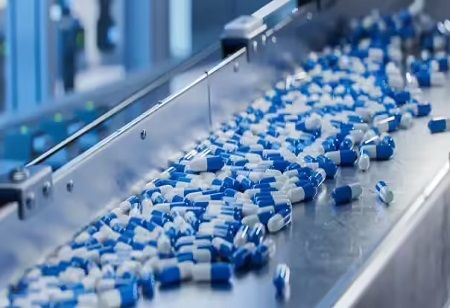
Indian pharma is being hit by Gulf tensions and South Asia trade curbs, as rising geopolitical uncertainty and regional market restrictions begin to affect the smooth flow of medicines and raw materials.
The sector, known globally for supplying affordable generic medicines, is facing growing challenges from disruptions in the supply of critical pharmaceutical ingredients and increasing export-related hurdles in neighbouring countries.
The ongoing tensions in the Persian Gulf and the Strait of Hormuz have started affecting the availability of three important pharma excipients—magnesium stearate, microcrystalline cellulose (MCC), and lactose—which are widely used in making tablets and capsules. Industry experts say shortages and rising prices of these materials are putting pressure on Indian pharmaceutical exports and generic medicine manufacturers.
Also Read: Immuneel Therapeutics CAR T Therapy Shows Two-Year Remission in Cancer
According to Dr. Sunil S. Chiplunkar, vice president-business development at Group Pharmaceuticals, magnesium stearate is used in nearly 50–60 per cent of oral medicines as a lubricant, while MCC helps hold tablet structures together as a binder and filler. Lactose, in both monohydrate and anhydrous forms, is commonly used to add bulk and maintain tablet weight. He said sourcing these essential materials has become increasingly difficult because of trade disruptions linked to West Asia tensions.
The challenge is becoming more serious because India’s pharmaceutical industry depends heavily on stable pharma supply chains and affordable raw materials to maintain low-cost generic medicine production. While many companies have relied on buffer stocks over the past few months, rising prices of new supplies are now reducing already thin profit margins.
European companies, especially in the Netherlands and Germany, remain major suppliers of pharmaceutical-grade lactose, making Indian firms vulnerable to global supply disruptions. At the same time, production costs of magnesium stearate and MCC have increased due to higher prices of vegetable oils, chemical solvents, wood pulp, and energy inputs.
Industry estimates indicate that raw material prices linked to excipient production have risen sharply in recent months. Along with increased shipping and freight costs, the pressure is beginning to affect medicine affordability and availability, raising concerns about uninterrupted access to essential medicines in both India and overseas markets.
India currently supplies nearly 20 per cent of the world’s generic medicines and serves as a major provider of affordable drugs to countries across the United States, Africa, and other developing regions. Experts warn that prolonged disruptions could affect global medicine supply if production challenges continue.
At the same time, the Commerce Ministry under the Ministry of Commerce and Industry has launched consultations with pharmaceutical exporters to understand trade barriers and market access issues affecting Indian drug exports across South Asia.
The government has asked exporters to provide country-wise feedback on challenges faced in markets such as Sri Lanka, Nepal, Bangladesh, Afghanistan, Maldives, Pakistan, Iran, and Bhutan. The consultation will focus on issues related to product approvals, packaging and labelling norms, licensing delays, customs procedures, quality standards, and other technical barriers affecting exports.
Officials are also studying how tensions involving Iran and the United States are impacting shipping routes, payment systems, insurance costs, and supply chain continuity for pharmaceutical trade in the region.
In addition, the government has invited industry suggestions on improving market access and identifying pharmaceutical products with strong growth potential in different South Asian countries. The exercise is expected to help shape future trade discussions and strengthen India’s position in regional pharmaceutical markets.