India Pharma Outlook Team | Wednesday, 06 May 2026
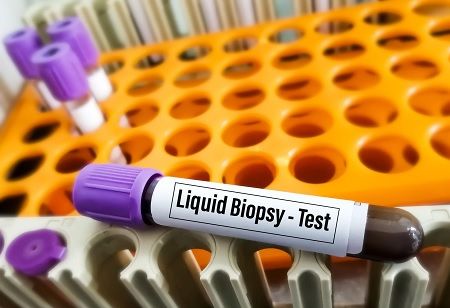
A Liquid Biopsy Test could reshape how cancer is detected in India, where a large number of cases are still diagnosed at advanced stages.
Limited access to routine screening, lack of awareness, and reliance on invasive procedures have long delayed early diagnosis, making treatment more difficult and outcomes less favorable for many patients.
The arrival of the Liquid Biopsy Test offers a different path. Instead of surgical or tissue-based biopsies, this method uses a simple blood sample to detect tiny fragments of tumor DNA circulating in the bloodstream.
This multi-cancer detection approach allows screening for several cancers at once, including lung, breast, colorectal, liver, and prostate cancers. By identifying the disease earlier, it aims to improve survival rates and reduce the burden of late-stage treatment.
Also Read: Digital Health & E-Pharmacy: Reimagining Access, Trust & Care
Driving this development, Guardant Health has partnered with Zydus Lifesciences to introduce the test in India. The collaboration focuses on expanding access to advanced diagnostic tools and making cancer screening less invasive and more convenient for patients across the country.
“Guardant Health is planning to launch a blood-based multi-cancer detection (MCD) test in India in collaboration with Zydus Lifesciences,” said Simranjit Singh, Chief Executive Officer for Asia, Middle East and Africa, Guardant Health.
Despite its promise, adoption could face hurdles. The test is expected to be expensive, with global pricing indicating it may cost over Rs 1 lakh, which could limit its accessibility in the early stages. In addition, regulatory clearances and clinical validation in the Indian healthcare system will play a key role in determining how widely and quickly it is accepted by doctors and patients.
Even with these challenges, the launch of the Liquid Biopsy Test marks a broader shift toward precision medicine and early detection. Blood-based diagnostics are gaining traction globally, and their entry into India signals a move toward faster, simpler, and more patient-friendly cancer screening solutions.

.jpg)