
India Pharma Outlook Team | Wednesday, 11 March 2026
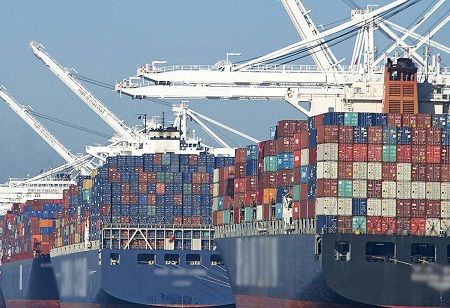
The Pharmaceuticals Export Promotion Council of India (Pharmexcil) has urged Indian pharmaceutical exporters to diversify shipping routes and explore alternative logistics options as tensions in the Gulf region threaten key global trade corridors. The council said instability in the region could disrupt pharmaceutical supply chains and increase transportation costs for exporters.
According to Pharmexcil chairman Namit Joshi, geopolitical uncertainties in maritime routes such as the Red Sea, the Strait of Hormuz and nearby Gulf shipping corridors are creating risks of rerouting, delays and operational disruptions. These routes are vital for the movement of pharmaceutical consignments from India to markets in the Middle East and other regions. Delays could affect temperature-sensitive medicines and biologics that require strict storage and transport conditions.
Pharmexcil has advised exporters to evaluate alternate shipping routes and coordinate closely with logistics providers to reduce disruptions. The council has also sought engagement with government authorities to explore freight relief measures, including subsidies or logistical support that could help maintain pharmaceutical exports.
Freight costs remain a major concern. Industry stakeholders say global logistics disruptions have led to a sharp rise in transportation charges, with surcharges ranging from about USD 4,000 to USD 8,000 per shipment. Higher crude oil prices and longer transit times are also increasing costs across the pharmaceutical supply chain, affecting both active pharmaceutical ingredients (APIs) and finished formulations.
Pharmexcil said disruption in March exports could lead to potential losses of ?2,500 crore to ?5,000 crore for India’s pharmaceutical industry. The Gulf Cooperation Council (GCC) region is an important market for Indian medicines, accounting for about 5.58 per cent of India’s total pharmaceutical exports.
Pharmaceutical exports from India to the Middle East and the wider West Asia and North Africa (WANA) region have increased from about USD 1.32 billion in FY 2020-21 to nearly USD 1.75 billion in FY 2024-25. Countries such as the UAE, Saudi Arabia, Oman, Kuwait and Yemen remain major importers of Indian generic medicines.
Also Read: AbbVie ABBV-295 Obesity Drug Shows Strong Phase 1 Weight Loss
Pharmexcil said it is monitoring the situation and coordinating with stakeholders in logistics and trade sectors to ensure continuity in pharmaceutical exports to key markets.
.jpg)