India Pharma Outlook Team | Wednesday, 18 November 2026
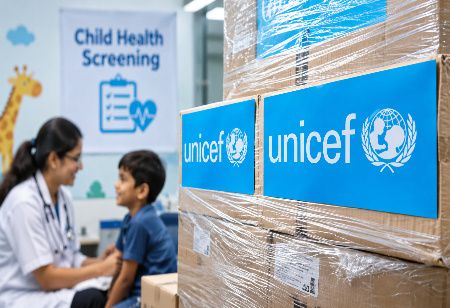
Child health screening in India is gaining attention as UNICEF and the Indian Academy of Pediatrics (IAP) have launched a Child Rights Pledge Platform to engage more than 50,000 pediatricians.
Announced on November 17, ahead of World Children's Day on November 20, the initiative aims to integrate child rights into routine healthcare consultations.
It encourages doctors to identify concerns involving children's health, nutrition, development and safety.
The development highlights the role of pediatricians in preventive care and the importance of identifying health and developmental concerns early.
Also Read: Moving Indian Pharma from Volume to Value Through Innovation and Strategic Partnerships
Early screening helps identify health conditions before they become more difficult to manage.
India's Rashtriya Bal Swasthya Karyakram (RBSK) 2.0 covers 38 common conditions under four categories: defects at birth, diseases, deficiencies and developmental delays.
The program screens children from birth to 18 years and provides early intervention, treatment and follow-up services. It also includes emerging concerns such as diabetes, hypertension, mental health and behavioural conditions.
Pediatricians can support child growth and development screening in India by monitoring physical growth, identifying developmental delays and recognizing nutritional or behavioural concerns during routine consultations.
The revised RBSK 2.0 guidelines introduce digital health cards, improved referral pathways and follow-up mechanisms. These measures aim to connect children identified during screening with appropriate treatment and specialist care.
UNICEF India Chief of Health Dr Nande Putta highlighted that pediatricians can recognize when children's health, nutrition and development are compromised, making their role important in advancing child well-being.
The UNICEF-IAP initiative seeks to reinforce this responsibility by bringing child rights into everyday pediatric practice.