India Pharma Outlook Team | Friday, 06 November 2026
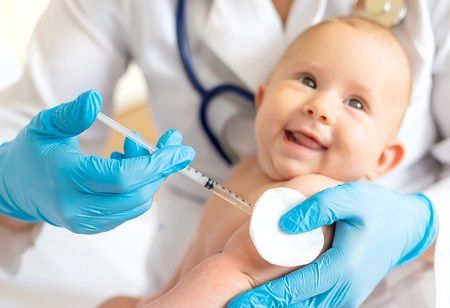
Newborn bleeding risks have climbed sharply across the United States, and doctors now sound the alarm.
Two new studies published in JAMA and JAMA Pediatrics reveal a clear rise in infant bleeding cases linked to vitamin K deficiency.
The findings connect this trend to a steady drop in acceptance of the vitamin K injection that hospitals give at birth.
A long-established preventive step that once protected nearly every newborn now faces growing parental refusal, and the consequences show up in higher rates of serious bleeding.
Vitamin K helps the body produce the proteins that allow blood to clot properly. Newborn babies start life with very low vitamin K levels because only small amounts cross the placenta during pregnancy. Breast milk also supplies limited vitamin K. Without enough of this nutrient, babies can develop vitamin K deficiency bleeding, or VKDB.
This condition can cause bleeding in the stomach, intestines, or brain. In severe cases, it can produce permanent brain damage or death. A single vitamin K injection given shortly after birth has formed standard newborn care in the United States since 1961.
The injection acts as a preventive treatment, not a vaccine. Despite this long record of safety and effectiveness, more parents now choose to decline the shot, and newborn bleeding risks continue to grow.
One study examined more than 5.2 million infant health records and found that vitamin K injection refusals rose from 3.1% in 2017 to 6.8% in 2025. A second study looked at more than 11 million infants and showed that vitamin K deficiency bleeding nearly quadrupled over the same period.
Bleeding cases also rose sharply between 2024 and 2025. Infants who did not receive the injection faced a 47% higher risk of any bleeding event in the first six months and more than twice the risk of bleeding in the brain.
Researchers note an association between declining vitamin K use and rising bleeding cases, yet the studies stop short of proving direct causation. Growing parental mistrust of medical advice, public health institutions, and newborn interventions appears to play a role in the refusals.
Pediatricians and researchers stress the need for clearer, more direct conversations with parents about the real risks of skipping this protective step and the rising newborn bleeding risks that follow.
The findings highlight a growing concern in newborn healthcare. Preventing severe bleeding starts with understanding the value of routine care that has protected infants for decades. Doctors and public health authorities must address parental questions while clearly explaining the benefits of vitamin K.