How to Apply for India's Rs 10,000 Crore Biopharma SHAKTI Scheme

Thiruamuthan, Assistant Editor, India Pharma Outlook

 Biopharma SHAKTI Scheme

The pharmaceutical sector in India is a rapidly evolving sector in the global markets, as it has ceased to be manufacturing-centered and the main focus now has shifted towards advanced therapies, complex generics and biologics. According to IBEF, India is the third biggest pharmaceutical manufacturer in the world, and it produces nearly 20 percent of all generic drugs that are consumed in the world. The nation is becoming part of critical role in global healthcare, as it is increasing its services in biosimilars, vaccines, and contract manufacturing services.

But how does this growth become a source of prowess? The answer to this is the industry that is supported by positive government policies, including the Production Linked Incentive (PLI) scheme and the Strengthening Pharmaceutical Industry (SPI) scheme, which would create an environment promoting innovation and making India more globally competitive.

In the year 2024-25, pharma exports peaked at an all-time high of USD 30.47 billion, which represents a strong yearly growth of 9.4 percent, and the domestic market stands at USD 60 billion with a forecast of USD 130 billion in 2030. On paper, India has the third-largest volume globally in production and supplies approximately 20 percent of the generic drugs in the world. However, the country is highly reliant on imports of high value biologics and biosimilars, which are the essentials in the treatment of non-communicable diseases, including diabetes, cancer, and autoimmune diseases. The Indian biopharmaceutical market alone is estimated to be USD 8.95 billion in 2025, and to reach USD 17.41 billion USD in 2033, with a CAGR of 8.3 percent.
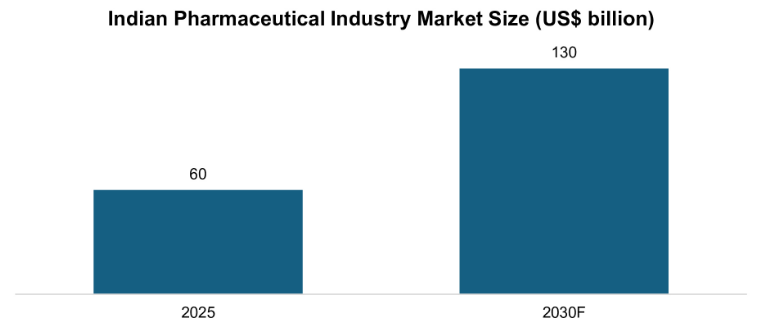
(Source: IBEF)

To bridge this gap and position India as a global biopharma innovation and manufacturing hub, the Union Budget 2026-27 announced the Biopharma SHAKTI Scheme (Strategy for Healthcare Advancement through Knowledge, Technology and Innovation) with a massive outlay of Rs 10,000 crore over five years (starting FY 2026-27). The scheme, formally detailed in a Press Information Bureau release on 10 March 2026, aims to build an end-to-end ecosystem for biologics, biosimilars, and advanced therapies while reducing regulatory timelines and fostering innovation.

This comprehensive guide explains the scheme’s objectives, eligibility, benefits, and—most importantly—how to prepare for and eventually apply once operational guidelines are notified.

Understanding the Biopharma SHAKTI Scheme

Announced by Finance Minister Nirmala Sitharaman and elaborated by Minister of State for Chemicals and Fertilizers Anupriya Patel, Biopharma SHAKTI addresses India’s shifting disease burden toward non-communicable diseases. Biologics—complex medicines derived from living organisms—are the future of affordable, high-quality healthcare.

Key Objectives

  • To Support domestic development and manufacturing of high value biopharmaceutical products.
  • Mainly to reduce import dependency on biologics and biosimilars from other countries.
  • Enhancing India’s competitiveness in the global biologics supply chain ecosystem.
  • Construct specialized human resources, clinical research infrastructure, and a world-class regulatory framework to transform the market.
  • Offer early-stage innovation funding and organized equity support to startups and industry.

Major Components (Rs 10,000 crore outlay)

  1. Infrastructure & Human Capital: Establishment of 3 new National Institutes of Pharmaceutical Education and Research (NIPERs) and upgradation of 7 existing ones for biopharma-focused research, development, manufacturing, and regulation.
  2. Clinical Research Ecosystem: Creation of a network of over 1,000 accredited clinical trial sites to accelerate advanced trials and lower costs.
  3. Regulatory Strengthening: Reinforcement of the Central Drugs Standard Control Organisation (CDSCO) with a dedicated scientific review cadre to deliver faster, globally credible approvals.
  4. Innovation & Funding: Early-stage grants and equity support to take promising candidates from concept to key development milestones.

The scheme structures the already existing initiatives like the Production Linked Incentive (PLI) for Pharmaceuticals and the Scheme for Promotion of Research and Innovation in Pharma MedTech Sector (PRIP), but shifts focus decisively from generics to value-added biologics.

Who Is Eligible?

While detailed eligibility criteria will be outlined in upcoming operational guidelines, the scheme openly targets:

  • Biotechnology and pharmaceutical startups working on biologics, biosimilars, cell/gene therapies, or related platforms.
  • MSMEs and established pharma companies engaged in domestic manufacturing of high-value biopharma products or upstream components (bioreactors, cell culture media, enzymes).
  • Research institutions, universities, and CDMO/CRO players (Contract Development & Manufacturing Organisations).
  • Innovators and industry consortia seeking equity or grant support for product development.

With this exceptional support from the Government of India, MSMEs stand out to benefit significantly in lower-barrier segments such as bioprocess equipment, nutrient media, and niche biosimilars. Even startups can leverage CDMO models to de-risk development. The main priority is expected for projects addressing non-communicable diseases and those aligned with “Make in India” and export goals.

Benefits of the Scheme

Successful applicants can expect:

  • Financial Support: Grants for early-stage R&D, equity funding, and possibly capital subsidies for manufacturing.
  • Infrastructure Access: World-class NIPER facilities, shared clinical trial networks, and plug-and-play biopharma parks.
  • Regulatory Fast-Tracking: Reduced approval timelines through the strengthened CDSCO cadre.
  • Market Advantages: Long-term institutional demand visibility, government procurement preferences, and easier access to global markets.
  • Skill & Employment Boost: Specialised training programmes and job creation in high-tech biopharma roles.

Many industry leaders have hailed and supported the scheme as a game-changer for moving India “from volume to value leadership.” With over USD 250 billion worth of biologics going off-patent globally in the coming decade, timely participation could unlock massive export opportunities.

How to Apply: Step-by-Step Guide (Current Status & Preparation Roadmap)

Important Update (as of March 2026): Detailed operational guidelines, application portal, and call for proposals have not yet been notified by the Department of Pharmaceuticals (DoP). The scheme was announced in the Budget and elaborated in the March 2026 Rajya Sabha reply, but implementation framework is under finalization. Similar schemes (PRIP, PLI) typically release guidelines within 3–6 months of announcement.

Step 1: Register Your Entity (Immediate Action)

  • Obtain Udyam Registration (MSME certificate) at udyamregistration.gov.in.
  • Register on Startup India portal (startupindia.gov.in) and seek recognition if you are an eligible DPIIT-registered startup.
  • Incorporate as a private limited company or LLP if not already done (via MCA portal).
  • Open a dedicated bank account and ensure GST, PAN, and digital signatures are in place.

Step 2: Monitor Official Channels Daily

  • Department of Pharmaceuticals website (pharma-dept.gov.in) – Watch the “Schemes” section (currently lists PRIP and PLI; SHAKTI will appear soon).
  • Press Information Bureau (pib.gov.in) and DoP Twitter/LinkedIn handles.
  • National Biopharma Mission portal (under DBT) for complementary opportunities.
  • Expected portal: Likely a dedicated one similar to prip.pharma-dept.gov.in or smdi.lsssdc.in used for other DoP schemes.

Step 3: Prepare Core Documents Typical requirements in comparable schemes include:

  • Detailed Project Report (DPR) covering product, process, market potential, and financial projections.
  • Proof of technical capability (patents, lab validations, or tie-ups with research institutions).
  • Business plan with milestones and fund utilisation schedule.
  • Audited financials, promoter background, and no-default declaration.
  • Environmental clearances and land/use permissions (for manufacturing proposals).

Step 4: Build a Strong Proposal Focus on:

  • Innovation in monoclonal antibodies, insulin analogues, or cell/gene therapies.
  • Import substitution or export potential.
  • Alignment with clinical trial network and faster CDSCO approvals.
  • Job creation and skill development metrics.
  • Engage with experienced consultants  in PLI/PRIP applications or approach NIPERs for technical validation.

Step 5: Submit When Portal Opens (Anticipated Process) Once guidelines are released:

  1. Visit the official DoP portal and register/login.
  2. Fill online application form with entity details and project category (R&D, manufacturing, clinical trials, or equity support).
  3. Upload documents and DPR.
  4. Pay any nominal processing fee (if applicable).
  5. Track status via dashboard; expect scrutiny by expert committees followed by site visits or presentations.
  6. Approval timeline: 60–90 days typical for similar schemes.

Timeline Expectations

  • Guidelines & portal launch: Likely Q2–Q3 FY 2026-27.
  • First call for proposals: Within 3 months of guidelines.
  • Disbursement: Phased over 5 years, with initial focus on infrastructure and pilot projects.

Tips for Success

  • Partner early with established players (Biocon, Serum Institute, Syngene) for CDMO or technology transfer.
  • Leverage existing clinical trial sites and NIPER expertise.
  • Align proposals with global standards (ICH, USFDA, EMA) to maximise export potential.
  • Use government facilitation portals like Invest India or state single-window clearances for faster approvals.
  • Stay updated via industry associations (OPPI, IPA, ABLE).

Key Industry Leaders on Biopharma SHAKTI:

Kiran Mazumdar Shaw (Chairperson, Biocon Group): Described it as a decisive investment in India's health and innovation future, positioning the country as a global biopharma manufacturing hub through scale-up, regulation, new NIPERs, and clinical trials network.

Satish Reddy (Chairman, Dr. Reddy’s Laboratories): Called the ?10,000-crore Biopharma Shakti a key enabler for India's shift from volume-based generics leadership to value-driven global innovation in complex therapies.

Namit Joshi (Chairman, Pharmexcil): Hailed it as a historic shift to make India a biopharma powerhouse, building an end-to-end ecosystem for MSMEs in biologics/biosimilars, with SEZ/GST reforms, CDSCO strengthening, and NIPER expansion to boost exports and competitiveness.

Achin Gupta (MD & GCEO Designate, Cipla; Co-Chair, FICCI Pharma Committee): Noted healthcare's central role in Viksit Bharat, with emphasis on long-term capacity building in high-end manufacturing, advanced therapies, and self-reliance via Biopharma Shakti.

Shreehas Tambe (CEO & MD, Biocon Biologics): Viewed it as a much-needed step (with prior R&D commitments) to strengthen biopharma capabilities, innovation, advanced manufacturing, CDSCO cadre, NIPERs, and trial sites for affordable complex therapies.

Sheetal Arora (Promoter & CEO, Mankind Pharma): Highlighted biopharma's central place in manufacturing wave, with Biopharma Shakti supporting domestic ecosystem, global standards CDSCO, faster approvals, and patient access via duty exemptions.

Meenakshi Nevatia (Country President, Pfizer India): Welcomed Biopharma Shakti for scaling high-quality production in India, boosting confidence for R&D/manufacturing, and patient-centric measures like cancer drug duty exemptions amid NCD burden.

Dr. K. Anand Kumar (MD, Indian Immunologicals): Saw it as defining for vaccines/biologics hub transition, with investments in infrastructure, raw materials, and resilience to move from volume to innovation-led leadership.

Ashok Nair (MD, RPG Life Sciences): Noted practical focus on infrastructure (new/upgraded NIPERs, 1,000+ trial sites, CDSCO global standards) to accelerate biosimilars competition and market entry.

Nitin Jain (Founder and MD, Iberia Pharmaceuticals): Praised forward-looking steps in NIPERs, trial network, CDSCO, and domestic manufacturing to boost innovation in biologics/biosimilars and address NCDs.

Dr. Saloni Wagh (MD, Supriya Lifescience): Described it as mature policy for sustained investment in research, trials, and manufacturing depth to transition to innovation-led biopharma leadership.

Sanjay Vyas (President, MD, GCC Head India, Parexel): Called the 1,000 trial sites pivotal for improving research quality, speed, and global appeal in clinical development.

Rajwinder Mehdwan (MD & CEO, Roche Pharma India): Welcomed healthcare centrality, Biopharma Shakti, CDSCO global standards, NIPERs, trial sites, and patient measures for value-led system and competitiveness.

Shweta Rai (MD – India, Bayer Pharmaceuticals): Appreciated biopharma strengthening, R&D incentives, duty rationalisation, trial sites, CDSCO enhancements, and patient access for value-driven leadership.

Potential Challenges & Mitigation

The biopharma sector faces high entry barriers, such as complex manufacturing processes, cold chain logistics, and stringent regulatory oversight. The 10,000 crore Biopharma SHAKTI Scheme addresses these challenges by providing dedicated funding, infrastructure, and regulatory support from the government. MSMEs can navigate these difficulties by starting with upstream components like raw materials or intermediate products, bit by bit steadily scaling to full biologics manufacturing as they build capacity and expertise. This phased approach reduces some major risk and enables long-term sustainability.

Conclusion: Seize the Moment

The Rs 10,000 crore Biopharma SHAKTI Scheme is more than just a funding program—it represents India’s bold move into the global biologics landscape. With the country’s pharma exports already standing at a remarkable USD 30.47 billion and the biopharma market poised for an 8.3 percent CAGR, this scheme offers an unparalleled opportunity for growth. Companies that prepare now will not only secure grants and equity but also gain access to world-class infrastructure and expedited regulatory support.

While we’re still waiting for the official application portal to open, now is the time to get ahead. Start by proactively working on your registration, documentation, and proposal development. Stay updated by regularly checking pharma-dept.gov.in and PIB for the official notification. Once it arrives, speed will be key—acting swiftly could be your ticket to taking full advantage of this transformative scheme.

As I was writing this piece, I couldn't help but feel the weight of the transformation unfolding before us. It's more than just an opportunity—it’s a moment in time when we, as a nation, stand at the cusp of something groundbreaking. The Biopharma SHAKTI Scheme isn’t merely about securing funding; it’s about paving the way for homegrown innovation to thrive on the global stage.

This is our time to not only grow but to lead, to push boundaries, and to prove that India is not just following the global biologics wave but is setting the pace. Witnessing this shift, knowing we are part of it, feels like being at the beginning of something extraordinary.

FAQs

Is the scheme open only to large companies?

No, startups and MSMEs are explicitly encouraged, especially in innovation and component manufacturing.

Will there be equity funding?

Yes, structured equity support is a core component for taking candidates through development milestones.

How does it differ from PRIP or PLI?

PRIP and PLI focus more on chemical entities and production incentives; SHAKTI is biologics-specific with heavy emphasis on clinical trials, regulation, and human capital.

Can foreign companies apply?

Likely through Indian subsidiaries or joint ventures with majority Indian ownership, subject to final guidelines.

on the deck

Most Viewed

Addressing Antimicrobial Resistance (AMR) Through Collaborative Efforts Fostering a Quality Culture in the Pharmaceutical Industry Advancements in Computer-Aided Drug Design for Pharmaceutical Research Why India is Gaining Popularity for Clinical Trials The Future of Kidney Transplants in India Usage of Conversational AI in the Health Insurance Sector Strategies for India to Reduce Its API Dependence on China Business Impact of USFDA Approvals on Indian Pharma Companies Innovative Strategies for Expanding Access to Life Saving Healthcare Solutions Badhal Village Crisis: How Rapid Diagnostics Could Have Saved Lives Why India is a Hotspot for Biotech Startups? Why Adapting Flexibility in IP Rights will Drive Generics Market Meeting the Challenges of High-Potency API (HPAPI) Production Impact of Human Factors Engineering on Medical Device Safety The Future of Pharma: Embracing Continuous Manufacturing The Role of Orphan Drugs in Treating Rare Diseases Emerging Technologies Shaping the Future of Drug Formulation Strategies for Optimizing Pharmaceutical Supply Chain Efficiency The Future of Medicine: Harnessing the Power of RNA-based Therapeutics AI in Medicine: Unmasking the Myths and Embracing the Transformative Reality Cycle Pharma Acquires Banner Life Sciences WHO's First-ever Global Summit on Traditional Medicine Starts in Gujarat The Importance of Data Integrity in Pharmaceutical Quality Control DCGI in Talks with Stakeholders to Develop a Standardised Web Platform to Assure Drug Quality and Patient Safety Glenmark Pharmaceuticals secures ANDA Nod for 0.03 per cent Tacrolimus Ointment Streamlining Laboratory Operations with a Modern LIMS Healthtech Start-up Suraksha QR Ropes In Actor Murali Sharma as its Brand Ambassador Unlocking the Potential of Pharmacogenomics: Enhancing Drug Safety and Efficacy The Impact of Pharmaceutical Testing on Drug Development India has Identified Three Health Priorities to Strengthen Global Health Infrastructure, says WHO National Health Authority launches 100 Microsites Project to Speed Up Digital Health Adoption India Should Partner with Australia to avail PBS for the Selection, Listing, and Pricing processes of exported drugs, says Sudarshan Jain Zydus Lifesciences India More than Doubles Profit Due to Increased Sales in the US India Triples Organ Donations over Past Decade says Union health minister Mansukh Mandaviya Advent Therapeutics Awarded $3 Million NIH Grant For Novel Neonatal Lung Therapy Three Pharma Marketing Strategies That Drive Sales Novartis Targets India's Rare Disease Market with 17 Clinical Programs UK Health Regulator approves GSK's Vaccine for the common respiratory virus RSV WHO Urges Increased Use Of Recommended Malaria-Fighting Tools Karnataka Budget Offered a Significant Boost to Health & Lifesciences Start-ups with Focus on Infrastructure & Innovation Three High Potential Moonshot Project Areas in Pharma CCI approves Bharat Biotech International-Eastman Exports deal How Biotech is Revolutionizing the Fight Against Cancer LifeCell and HaystackAnalytics ink strategic pact to scale-up TB whole genome sequencing pan-India Mankind Pharma IPO To Open On April 25 With A Price Fixed At Rs 1,026-1,080 Per Share US CDC Approves Second Omicron-Updated COVID Booster For Adults Three Trends that will Impact Pharmaceutical Industry in 2023 ModeX Therapeutics Commences Phase I EBV Vaccine Trial with Merck Designing Impactful Leadership and Talent Management Programs with Strategies for Success Novo Nordisk and Valo Health Partner to develop novel Treatments FOPE Calls for Extended Deadline for Schedule M Compliance Telix Pharma To Acquire ImaginAb to Boost Therapeutics and Innovation Roche Secures US FDA Approval for its Ultra-Sensitive ISH test Rappta Therapeutics and SpringWorks Partner on Molecular Glue Targeting PP2A Taro Pharma To Acquire entire stake in Antibe Therapeutics Innovent Biologics Secures Breakthrough Therapy Designation for IBI343 Emcure Pharma Launches Largest R&D Centre in Ahmedabad Zydus Bags USFDA Nod for Phase II(b) Trial to Optimize Usnoflast Dosage US FDA Approves Amgen's Lumakras-Vectibix Combo for KRAS G12C-Mutated mCRC Glenmark Pharma Unveils generic anticoagulant injectable emulsion Strides Pharma Bags USFDA Nod for OTC Acetaminophen-Ibuprofen Combo Tablets US FDA Lifts Hold on Sanofi's Trial to Make Cialis Available Over-the-Counter Hoth Therapeutics Expands Intellectual Property with New Patents Jaguar Health Starts POC Trial of Crofelemer for Rare Pediatric Disease MVID Pharma and Healthcare Sector Eyes Union Budget 2025 for Innovation Boost How Innovative Drug Formulations are Enhancing Treatment Outcomes Apollo and Mayapada Healthcare Unite to Boost Indonesia's Healthcare Novo Nordisk Reports Positive Phase 1b/2a Results for Amycretin Govt to Extend Schedule M Compliance Deadline for Drug Manufacturers to Dec Lupin Secures US FDA Nod for Ipratropium Bromide Nasal Solution ANDA Granules Pharmaceuticals Secures USFDA Nod for Key Generic Drug Bajaj Healthcare Bags DCGI Nod to Manufacture Pimavanserin API & Formulation Union Budget 2025: Healthcare Gets 9.78% Boost, Allocation Nears 1 Lakh Crore Metropolis & Roche Launch Self-Sampling HPV Test for Cervical Cancer Sigachi Industries Invests $1M in Hyderabad R&D Hub for API Innovation Pharma Testing Market Surges with Rising Demand for Biologics ISTH Releases Clinical Practice Guideline For Haemophilia Treatment Sanofi and Biovac Lead Polio Vaccine Manufacturing Capabilities Sun Pharma and Takeda Ink Pact To Market Gastrointestinal Drug Takeda and Ascentage Pharma Ink Option Agreement For Olverembatinib Enhancing Compliance through Effective Pharmaceutical Regulatory Affairs Strategies India poised to become a Global Hub for Clinical Trials: Exec SCHOTT Pharma Unveils Next-Gen Polymer Syringes for Enhanced Safety GSK's Jemperli Gains EU Nod for First-Line Treatment of Endometrial Cancer Union Health Secretary Urges Stronger Drug Regulations for Quality Control Telangana Govt Inks Landmark Deals to Propel Life Sciences and Job Growth R&D in Indian Pharma: Breakthroughs and Innovations in 2024 Dr. Reddy's Partners with Shanghai Henlius to Develop Cancer Drug Uniphar Expands Global Footprint with Three New Facilities 74th Indian Pharmaceutical Congress 2025 Opens Registrations AGC Pharma Expands HPAPI Capabilities in Barcelona to Meet Growing Demand The Future of Genomic Sequencing: Trends That Will Define the Next Decade Lexaria Bioscience Ethics Review Board Nod to Commence New GLP-1 Study Amitabh Kant Urges India to Focus on Innovation at BioAsia 2025 Government Enhances Research & Integration Initiatives in Unani Medicine Blind & Deaf individuals face Major Barriers to access Medicines: Report C-CAMP and PariSante Campus launched Indo-French Life Sciences Hub Jaguar Health Begins Pediatric Trial for Crofelemer in Short Bowel Syndrome Algiax Pharma Reports Promising Phase 2a Results for AP-325 Govt Bans 34 Antimicrobials for Use in Animals Pharmaceutical Procurement Strategies: How to Optimize Costs Personalized Medicine: Get Tailored Treatment Plans for You Now How to Bridge the Healthcare Gap in Emerging Markets with MedTech The Evolution of In-Vitro Diagnostics: Trends and Future Prospects Needle-Free Injection System: A Game Changer in Less Pain Vaccination How Global Capability Centers are Shaping the Future of Biometrics Building a Successful Pharma Brand in India: The Role of Scientific Communication Unlocking India's Innovation Potential in Pharma The Future of Green Chemistry in API Production Top 10 Pharmaceutical Recruitment Consultants - 2024 | Pharma Outlook Blockchain for Secure Pharmaceutical Supply Chains - 2025 & Beyond Mass Spectrometry in Biomarker Discovery for Early Disease Detection Iconovo and Lonza Team up to Advance Intranasal Biologic with ICOone Nasal Fetal Imaging to Cardiac Diagnosis: The Expanding Role of Ultrasound Balancing Innovation and Affordability in Medical Solutions for India Changing Landscape for LTBI and Syndromic Testing Methodologies How Advanced Training Methods can Enhance Patient Care Balancing Cost Efficiency and Compliance in Pharmaceutical Manufacturing LUB Urges Govt to Scrap Mandatory Lab Testing for Cough Syrup Exports Role of Optical Imaging in Early Cancer Detection and Treatment Hoth Therapeutics Unveils Promising Data for KIT-Targeting Therapy Pharmexcil Engages ASEAN Nations to Boost Pharma Trade Ties Fortis Partners with Teleflex for South Asia UroLift Training Anti-Infectives: How New Research is Shaping Infection Control Building Bridges for Sustainable Growth through Strategic Alliances in Ethical Pharmaceuticals Quality as the Cornerstone of Lab Solutions FDA Approves Roch's NSCLC Diagnostic Linked to Emrelis How Early Detection is Transforming Cancer Treatment in India Ensuring Data Privacy in Pharma World Enhancing Clinical Trial Supply Chain Resilience to Address Global Disruptions in India Cost-Effectiveness of Minimally Invasive Surgery in Outpatient Settings How Organic Synthesis is Accelerating Drug Discovery in Pharma Strategic finance for pharmaceutical innovation and stability Top 10 Teleradiology Service Providers - 2024 | Pharma Outlook Importance of Investing in R&D and Quality for Competitive Advantage in Eye Care Top 10 In Vitro Diagnostics Companies - 2024 | Pharma Outlook Phytopharmaceuticals: Driving Global Herbal Medicine Innovation Gender Gap in Healthcare: Why Women's Health Needs More Research Impact of Modern Technology on the Indian Life Sciences Sector Why Global Pharma Expects CDMOs to Be Ready for Joint Inspections The Role of Customizable Stent Grafts for Treating Complex Anatomies Nutraceuticals vs Pharmaceuticals: Complementary or Alternative in Chronic Disease Management? Top 10 Pharma CDMO Companies In India – 2023 | Pharma Outlook Leaping Towards Global Compliance with Revised Schedule M Meril Concludes TechVentory, Boosts AI-Driven Healthcare Supply Chains 10 Pharma Sector Revolutions in India Standardizing Medicine Labeling and Embracing Digital Transformation Creating a patient-centric healthcare ecosystem for all Biomanufacturing of Enzymes: A Sustainable Approach to Industrial Biotechnology Integrating CSR into HR Practices to Enhance Brand Reputation in Pharma Merck Launches Phase 3 Trial for Promising Dengue Vaccine V181 Breakthrough: Eye-Opening Healthcare Strategies Doctors Swear By on Doctor's Day 2025 Bristol Myers Squibb Reports Strong Phase 3 Results for Deucravacitinib trail Alcon Launches Innovative Daily Lenses Designed for Long-lasting Comfort Apisolex Excipient by Lubrizol Backs Phase I Drug Success FDA Approves Enflonsia to Prevent RSV in Infants with One Dose Biosimilars in India 2025 Market Trends, Growth Forecast & Opportunities How Regulations Are Shaping India's Medical Device Landscape Bharat Biotech Partners with GSK for Shigella Vaccine Development Eli Lilly Obesity Drug Shows 11.5% Weight Loss in 12 Weeks Laborate Pharmaceuticals: Illuminating Pathways Of Quality, Affordability Innovation In Healthcare Sun Pharma Bags CDSCO Approval to Produce Fexuprazan Hydrochloride Tablets The Fusion of Biology, Medicine, Health, and AI Glenmark Gets DCGI Nod to Launch Oncology Drug BRUKINSA in India Kyndryl Partners with Dr Reddys to Automate Global IT Operations How Robotic Assisted Surgery Is Redefining Precision in Kidney Transplants Top 10 Women Disruptors in Asia Pharmaceutical Industry

Editor's Guest

Related Articles


© 2026 India Pharma Outlook. All Rights Reserved.