
Vikas Bansi, Business Director – Healthcare, Himalaya Wellness Company
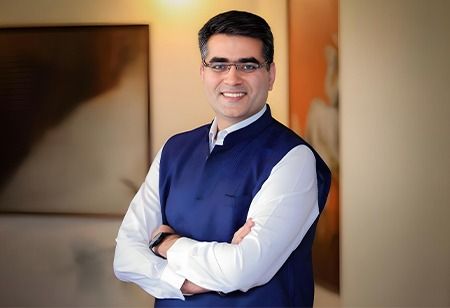
In an exclusive interaction with Thiruamuthan, Assistant Editor at India Pharma Outlook, Vikas Bansi, Business Director - Healthcare, Himalaya Wellness Company, discusses how pharmaceutical companies are navigating the growing demand for OTC products by leveraging technology, ensuring transparency in clinical testing, and fostering cross-functional collaboration to enhance product quality, consumer trust, and innovation in a competitive market.
Vikas Bansi is an experienced leader in FMCG, consumer healthcare, and branded pharmaceuticals. Having worked at companies like Jubilant Pharmova, Abbott, and Johnson & Johnson, his expertise includes P&L management, sales, distribution, and e-commerce strategy.
With the rising demand for OTC products, how are pharmaceutical companies balancing scaling operations, ensuring quality, and maintaining team engagement to remain competitive in the market?
For a healthcare organization, patient centricity and superior quality are non-negotiable. To stay competitive, pharmaceutical companies are leveraging technology to streamline operations while fostering a culture of innovation and collaboration to enhance team engagement and ensure sustainable growth. At Himalaya, we view this rising OTC demand not just as a market shift, but as a fundamental change in how consumers approach preventative health.
Sustainability is a core focus for us, with a "seed-to-shelf" approach that balances scale and quality. Through vertical integration, we ensure control over raw materials and processes. Himalaya is the pioneer in DNA barcoding of herbs. With dedicated R&D Centers and over 275+ research scientists, we have built trust worldwide through safe, efficacious, and scientifically validated products with pharmaceutical-grade testing of botanical ingredients.
For example, Himalaya Shilajit is sourced from the Himalayan peak and purified using the Agnitapi Shodhana method, eliminating impurities while preserving its therapeutic benefits. It undergoes 15+ quality tests for authenticity. Our Koflet throat care products combine honey and herbs for effective relief from cough and sore throat, with both legacy and new products backed by clinical trials.
We safeguard our product quality and consumer trust by strictly operating under a comprehensive suite of global certifications, including cGMP, GACP, and Good Clinical Practices (GCP). Himalaya is a purpose-led, future-fit organization. When R&D scientists, medical affairs teams, and marketers know that their work directly builds and restores consumer well-being, engagement becomes organic. Our people are a part of a culture that prioritizes healing over mere transactions.
In a world of overwhelming wellness brands, clear efficacy communication backed by science transforms skepticism into brand loyalty
As digital transformation accelerates, how are pharmaceutical OTC teams using AI, automation, and data analytics to enhance efficiency, improve safety, and engage consumers effectively?
Digital transformation is allowing us to be proactive rather than reactive. On the safety and efficiency front, we are utilizing predictive analytics in our agricultural supply chains to monitor crop health, forecast yields, and optimize harvest times, which ensures the highest potency of the herbs. Inside the labs, automated systems track post-market data in real-time, allowing us to monitor safety profiles flawlessly.
As a healthcare organization, we want to support consumers to make an informed decision. Data analytics is our listening tool. Search trends, product baskets, shopping habits, demography, and lifestyle shifts help us understand what consumers are struggling with—whether it is an acute need for sleep support or a need for sustained metabolic health. AI helps us segment these audiences to deliver highly targeted, personalized wellness education rather than broad, generic advertising focused on sales.
Also Read: How Global Capability Centers are Shaping the Future of Biometrics
With growing skepticism around OTC product safety and efficacy, how are pharmaceutical companies leveraging transparency in clinical testing, sourcing, and ingredient disclosure to rebuild consumer trust?
Today’s consumer is overwhelmed with information with hundreds of wellness brands speaking with them. It is important to communicate efficacy in a very transparent fashion. While our products are rooted in Ayurveda, they are backed by modern science.
We build trust through uncompromised transparency. For instance, our Stress management product Ashwagandha, an adaptogen for stress, is backed with multicentric, double-blind, placebo-controlled clinical studies—the exact same standard used for allopathic medicines. Liv.52 is a 60-year-old brand, but we continue to innovate and back it with multiple clinical studies. Furthermore, we have shifted towards absolute label transparency. When a consumer can see the rigorous science behind the safety, skepticism transforms into brand loyalty.
Given the need for personalized healthcare in the pharmaceutical OTC sector, what challenges do companies face in integrating cross-functional expertise to drive product innovation and meet consumer needs?
The greatest challenge in developing personalized healthcare products is translation—specifically, getting a scientist, a clinical pharmacologist, and a digital marketer to speak the same language. Communication must be intrinsic to product development rather than relegated to an afterthought. People need explanations of why a product is relevant for them, how it functions, and what safeguards are in place. Innovation tends to die in silos.
For example, R&D might develop a brilliant product, but if marketing cannot translate it into a consumer-friendly concept/narrative, the product will fail. We overcome this by driving a cross-functional integration from day zero. Medical affairs and marketing co-create the product brief. This ensures that the clinical trials are designed to prove the exact benefits the consumer is searching for, bridging the gap between deep, complex science and intuitive, personalized consumer solutions.
Also Read: The Future of Green Chemistry in API Production
As the pharmaceutical industry faces evolving regulations, how are companies ensuring compliance with global standards while maintaining consumer trust in OTC products, especially in emerging markets?
Himalaya views Regulation as a floor, not a ceiling. The definition of a "dietary supplement" versus a "proprietary medicine" varies wildly across borders, creating a complex web of compliance.
Our strategy is to formulate and manufacture to the strictest global standards—testing, meticulous purification processes, and rigorous toxicity studies—and apply those standards universally. We do not lower our quality benchmarks for any market. By proactively self-regulating and exceeding local FSSAI or regional guidelines, we not only ensure flawless compliance but also create an impenetrable moat of consumer trust.
.jpg)


, CDSCO.jpg "Fostering a Quality Culture in the Pharmaceutical Industry")