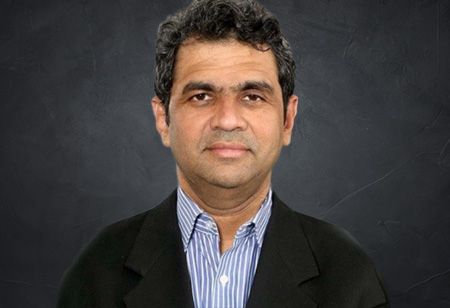
Dr. Mahesh Bhalgat, Group CEO and MD, Veeda Clinical Research Limited

In an exclusive interaction with India Pharma Outlook, Dr. Mahesh Bhalgat, Group CEO and MD of Veeda Clinical Research Limited, discusses key trends in the CRO/CDMO industry, such as digital transformation, niche specialization, global expansion, compliance, sustainability, and personalized medicine—factors shaping roles and strategies in an evolving market. He is an accomplished leader with over three decades of experience in global biopharma, CRO, CDMO, and CRAMS sectors, is known for his strategic expertise in operations, quality, and regulatory functions, having held senior roles with Syngene, Sanofi, and Biological E Limited.
What are the current key trends shaping the landscape of CROs and CDMOs in the global pharmaceutical industry, and how are these trends influencing their roles and strategies?
The CRO/CDMO sector has always been an important part of the pharma industry. Recently, with cost and time pressures, the role of this sector has further been enhanced, as seen by the growth of the pharma-biotech outsourcing industry. For players in the CRO/CDMO space to continue significant contributions, there is a need to keep up with the evolving trends, some of which are identified below:
Digital Transformation: The COVID-19 pandemic accelerated the adoption of digital technologies in CROs and CDMOs. This includes the use of artificial intelligence (AI) and machine learning (ML) for drug discovery, process optimization, and predictive maintenance. One notable case study involves the AI-powered platform AIDDISON, used by a CRO to enhance drug discovery. AIDDISON integrates AI and machine learning (ML) with computer-aided drug design (CADD) tools to streamline the identification and optimization of drug candidates. This platform allows scientists to perform virtual screening, predict ADMET properties, and conduct molecular docking experiments efficiently. By leveraging AI, the CRO can accelerate the drug discovery process, reduce costs, and improve the success rate of identifying viable drug candidates.
In the realm of process optimization, AI and ML are used to enhance manufacturing processes. For instance, in additive manufacturing, AI algorithms can optimize parameters to ensure high-quality production with minimal waste. This involves analyzing large datasets to identify patterns and make real-time adjustments, leading to improved efficiency and reduced costs. Through AI-driven predictive maintenance, ML algorithms can predict potential failures by analyzing data from machinery and equipment before they occur. This proactive approach minimizes downtime and extends the lifespan of equipment.
Specialization and Niche Capabilities: There is a growing trend towards specialization, with CROs and CDMOs developing expertise in specific therapeutic areas or technologies. This allows them to offer more tailored and high-value services to their clients. In the CRO segment, Veeda Clinical Research, through its biopharma services division, focuses on supporting CMC development services for biologics, including cell line development, analytical characterization, process characterization, bioanalytical sample testing, and therefore providing high-quality data packages for regulatory submissions of novel biologics. Clients also use our biologics capabilities for comparability assessments for biosimilars. This has allowed us to use the analytical center of excellence for providing niche, high-quality targeted services and reducing time-to-market for new drugs by providing strong analytical characterization packages.
Global expansions: The pharmaceutical industry is becoming increasingly global, and CROs and CDMOs are expanding their operations internationally. With a focus on strategic expansion, Veeda Clinical Research added capabilities in patient-based clinical trials on novel therapeutics. This capability, which comes through the acquisition of a European CRO, has enabled us to now participate in global clinical trials. The acquisition has resulted in a substantial increase in the number of global sites that are part of the company's network. The clinical trial business has now expanded to 900+ sites across Europe, North America, South America, Asia and Pacific regions (including India). The acquisition of Bioneeds’ preclinical services in 2021 has enabled us to offer services in safety assessment, toxicology, and other preclinical services, thereby allowing it to offer a comprehensive range of services from drug discovery to early to late phase clinical development.
Strong focus on quality and compliance: CROs/CDMOs have the benefit of going through several regulatory and client audits/inspections. This prepares them to have robust quality systems that can withstand scrutiny. As an example, Veeda has had the opportunity to go through multiple regulatory inspections year after year, which have been successful. Going through multiple USFDA, EMA, ANVISA, TGA, and DCGI audits, and many other regulatory agencies gives our management and its clients comfort around the strength of the quality systems and emphasis on GXP training and compliance.
Sustainability: Environmental sustainability remains a high priority with CROs and CDMOs investing in green chemistry and other sustainable manufacturing processes to reduce their environmental footprint. While the company does not engage in manufacturing, the analytical sciences team at Veeda makes their own contribution to this effort. As an example, we use Supercritical Fluid Chromatography (SFC) technology as an alternative solvent-free analytical separation method. SFC technology uses carbon dioxide, which is non-toxic, non-flammable, and a readily available solvent. Unlike many organic solvents, carbon dioxide does not pose significant health risks and is not harmful to the environment when used responsibly. In addition, SFC technology reduces runtime, therefore providing higher sample throughput and faster turnaround.
Cost of Goods (COGS): This is a criterion very important when it comes to manufacturing. Specifically for biologics, cell lines that give high yields can significantly improve the cost of goods. High-yielding cell lines produce more of the desired product (like proteins or antibodies) per batch resulting in saving time and resources. High-yielding cell lines allow CDMOs to scale up production more easily to meet market demand without a proportional increase in costs. As part of its biologics centre for excellence, Veeda specializes in cell line development to provide a positive benefit to COGS.
How have recent technological advancements, such as AI and digital transformation, impacted the operational efficiencies and service offerings of CROs and CDMOs?
AI and digital transformation have revolutionized CROs and CDMOs by enhancing data analysis, predictive modeling, and process automation. These technologies streamline drug discovery, development, and manufacturing, leading to faster and more cost-effective operations.
AI-powered automation streamlines routine tasks such as data entry, monitoring, and reporting. This reduces manual intervention, minimizes human error, and allows staff to focus on more complex and value-added activities.
CROs and CDMOs can leverage AI to analyze large datasets quickly and accurately, leading to more informed decision-making and improved outcomes in clinical trials and manufacturing processes. Veeda is partnering with organizations that can take diverse real time anonymized patient datasets for identifying patients that may be ideal clinical trial candidates. This can solve one of the most significant challenges faced in executing clinical trials – timely recruitment of patients.
AI-driven predictive analytics help in forecasting demand, optimizing supply chains, and predicting potential issues before they arise. This proactive approach enhances operational efficiency and reduces downtime.
Digital transformation facilitates the development of personalized medicine by enabling the analysis of genetic, clinical, and lifestyle data. CROs and CDMOs can use this information to develop tailored treatments, improve patient outcomes and expand their service offerings.
AI and digital tools help ensure regulatory compliance by automating documentation and reporting processes. This reduces the burden of compliance and helps organizations stay up to date with evolving regulations.
Veeda Clinical Research is embarking on a journey of digitization to improve the execution of clinical trials and healthy volunteer studies conducted for clinical research.
A clinical digital tool under implementation at Veeda prioritizes data integrity, quality, and compliance and features direct data capture through comprehensive integration with devices and systems. By enabling real-time, paperless management of all such activities, from volunteer registration to report writing and compilation, our clinical digital tool improves efficiency and accuracy throughout the process.
Veeda has invested heavily in resources to integrate an in-house study management system with remote monitoring capabilities, enabling quality and efficiency in conduct of clinical operations. The system significantly reduces the time and effort required for several activities associated with healthy volunteer studies (from volunteer enrolment to submission-ready data and report preparation).
Through the implementation of such technology-based platforms, Veeda not only provides comfort for clients but is also building on the trend toward paperless ways of working for a strong commitment to compliance.
What are the primary challenges that CROs and CDMOs face in maintaining regulatory compliance across different regions, and how are they addressing these challenges?
There are several examples of challenges faced by CROs/CDMOs which need to be addressed on an ongoing basis.
Diverse Regulatory Framework:The changes in the regulatory landscape are important for CRO/CDMOs to understand and adapt to. Along with robust regulatory surveillance, it’s important to have team members (and/or local regulatory experts) present in important jurisdictions. Through such a global presence, CRO/CDMOs can interact with regulatory authorities more efficiently and help in both interpretation and implementation of regulations.
Data Privacy and Cybersecurity:Data privacy laws, such as GDPR in Europe, require stringent measures to protect personal data. Ensuring compliance with these laws across multiple regions is complexand has to be achieved through a combination of different approaches.
Language, Cultural, and Ethical Differences: Differences in language, culture, and ethical standards can add complexity. Misunderstandings or misinterpretations of regulations can lead to non-compliance. CROs/CDMOs are hiring multilingual staff and providing cultural competency training to ensure clear communication and understanding of local regulations. They also engage local consultants to bridge cultural and ethical gaps.
Resource and Supply Chain Constraints: Regulatory compliance often requires significant resources, including time, money, and personnel. Supply chain disruptions can also impact compliance, especially when sourcing materials from different regions. Organizations are adopting digital tools and automation to streamline compliance processes and reduce resource burdens. They are also diversifying their supply chains to mitigate risks and ensure a steady supply of compliant materials.
How is the evolving demand for personalized medicine and biologics influencing the services and capabilities of CROs and CDMOs?
The rising demand for personalized medicine and biologics is driving CROs and CDMOs to enhance their capabilities in precision drug development and specialized manufacturing. They are investing in advanced technologies and expanding their expertise in biologics, including cell and gene therapies. This shift also necessitates navigating complex regulatory landscapes and adopting sustainable practices to meet industry standards.
Enhanced Technological Integration: Integrating Artificial Intelligence and Machine Learning with analytical data helps in predictive insights and optimization strategies, improving efficiency in drug discovery and manufacturing processes. Especially in biologics manufacturing, it is important to build systems that take upstream data and build predictive models on product quality. This helps in avoiding downstream batch failures due to product quality issues.
Focus on Personalized Therapies: CROs and CDMOs are offering more tailored and scalable solutions for biologics and gene therapies. The uniqueness of personalized medicine requires a specific design of clinical trials, so it’s important for CROs to work with sponsors and design clinical trials for such a focused group of patients, which provides for strong scientific bases and regulatory compliance at the same time.
Data Management and Analytics: The ability to handle large volumes of data efficiently is becoming a priority. Advanced data analytics, supported by AI, are transforming clinical trials and drug development by enabling more accurate predictions of drug efficacy and safety. These platforms facilitate seamless collaboration and data sharing among global teams, improving operational efficiency and decision-making.
Regulatory and Quality Control: CDMOs are playing a crucial role in navigating the complex regulatory landscape for personalized therapies. They help in optimizing processes to meet regulatory requirements and ensure quicker quality control release. Defining critical process parameters (CPPs) and critical quality attributes (CQAs) is essential for maintaining the quality of personalized therapies. CDMOs use the design of experiments (DoE) principles to optimize these parameters.
Economic and Operational Efficiency: By adopting advanced technologies and optimizing processes, CROs and CDMOs are able to reduce production costs and time-to-market for new therapies. Developing a manufacturing strategy that can scale to meet growing demand is essential. CDMOs are focusing on creating sustainable supply chains and managing raw materials efficiently.
In what ways are CROs and CDMOs adapting their business models to respond to the increasing need for integrated and end-to-end solutions from pharmaceutical companies?
Expansion of capabilities: Many CROs/CDMOs are expanding their capabilities to offer comprehensive services that cover the entire drug development lifecycle, from early-stage research to commercial manufacturing. This approach helps pharmaceutical companies streamline their processes and reduce the complexity of managing multiple vendors. The primary motivations for vendor consolidation include cost efficiency, streamlined operations, and improved quality control. As a result, pharmaceutical companies are increasingly partnering with integrated CROs and CDMOs. These integrated entities offer a comprehensive range of services, from research and development to manufacturing, allowing pharma companies to consolidate their supply chain, enhance collaboration, and accelerate time-to-market for new drugs. Integrated organizations offer more & better services from the same location, as well.
Technological Advancements: CROs and CDMOs are investing in digital technologies that help optimize clinical trials, improve data management, and accelerate drug development timelines. The adoption of automation and robotics in manufacturing processes is helping CDMOs increase production efficiency, reduce human error, and ensure consistent product quality. Veeda has also implemented a liquid handling system in its analytical facilities, which leads to better accuracy and precision in analytical sample testing.
Flexibility and Scalability: To accommodate the varying needs of different projects, CDMOs are investing in modular and flexible manufacturing facilities that can be quickly adapted to different production scales and processes. With scalable solutions CROs and CDMOs are able to support pharmaceutical companies from small-scale clinical trials to large-scale commercial production, ensuring a smooth transition as the project progresses.
Looking ahead, what are the anticipated future developments and innovations that could transform the role of CROs and CDMOs in the pharmaceutical industry over the next decade?
The roles of CROs and CDMOs are evolving towards greater integration and collaboration, with a focus on advanced technologies. They are increasingly involved in biologics and advanced therapies, facing complex regulatory challenges and adopting sustainable practices. Here are some key developments and innovations to watch:
Biologics and Advanced Therapeutics: The demand for biologics, including vaccines and immunotherapies, will continue to grow, requiring specialized CDMO capabilities. The rise of oral solid dose (OSD) forms for cancer treatments is a key trend taking place across the pharma industry, serving as a more patient-centric alternative to parenteral administration.
Innovations in Regulatory and Compliance Practices:Smaller scale manufacturing will be more essential for precision medicine. Therefore, a collaborative approach between the technology developers, the CDMOs, and the regulators will be crucial. Regulatory bodies are expected to develop more adaptive frameworks to keep pace with rapid technological advancements, facilitating faster approvals for innovative therapies.
Sustainability and Green Chemistry (Reduction of Environmental Impact): By adhering to the 12 principles of green chemistry, such as using safer solvents and designing for energy efficiency, CROs and CDMOs can minimize hazardous waste and reduce their overall environmental footprint. Continuous manufacturing, adopted for biological materials and small molecule drugs, can significantly lower energy consumption and waste production, making processes more efficient and environmentally friendly.
Technology-led Clinical trials: Several aspects of technology-led innovation are likely to be in the future of clinical trials. Targeted patient matching through real-world data, inclusion of diversity in trial design, use of digital twins and the AI-ML-based approach to biomarker identification for clinical trials are some of the trends that will continue to drive transformation for CROs in the future. CROs will be a key contributor to the data-led revolution through their rich data-driven experience.
.jpg)


, CDSCO.jpg "Fostering a Quality Culture in the Pharmaceutical Industry")