The pharmaceutical engineering and design consulting industry is working in a complex, sustained environment. Today, manufacturers are under increasing global regulatory scrutiny, pressure on data integrity and Quality by Design (QbD), and pressure to expedite the project timelines without compromising compliance.
Meanwhile, facilities are required to accommodate more complex dosage forms, biologics, and injectables, and be flexible, sustainable, and ready to audit across their lifecycle. These combined requirements have shifted the perception of clients towards engineering partners far beyond traditional design and implementation to strategic compliance-focused collaboration.
Nilsan Nishotech is responding to these challenges by providing a myriad of pharma and biopharma-focused solutions. The firm combines regulatory foresight and operability in all projects with an emphasis on high-purity water systems, process engineering, and automation.
Their commitment to sustainability, modular facility designs, and lifecycle management ensures that clients’ facilities are optimized for both current and future needs.
Where Compliance Meets Operational Excellence
Nilsan Nishotech has established itself as a leading partner to the pharmaceutical and biopharmaceutical firms by providing comprehensive engineering solutions that focus on compliance, efficiency of operations, and sustainability.
The firm has a strong solutions portfolio that caters to the special needs of the industry, such as high-purity water equipment, engineering process and utility, automation, validation assistance, and regulatory documentation. These services are carefully developed to respond to operational and regulatory issues of pharmaceutical manufacturers.
We deliver integrated solutions, from high-purity water to automation and validation, designed for consistent lifecycle performance, enabling confident operation, seamless inspections, and scalable expansion without disruption
One of the most attractive products developed by the firm is the high-purity water systems, which are crucial in the process of guaranteeing quality and compliance in the development of pharmaceuticals. The firm offers Purified Water (PW) and Water for Injection (WFI) systems with high regulatory quality standards, such as USP, EP, and WHO standards.
In contrast to regular systems, the firm designs each system according to the usage patterns and site conditions, which guarantees the control of microbes and the efficiency of the system throughout its lifecycle.
Having a profound knowledge of the pharmaceutical manufacturing needs, the firm provides energy efficient design and waste-saving strategies, increasing sustainability. This is combined with automation solutions where PLC-SCADA systems are integrated to provide real-time quality control and data integrity to sustain a smooth operation and adherence.
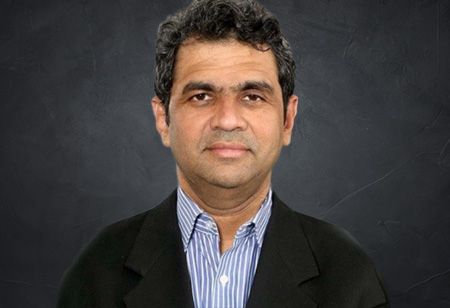
“We deliver integrated solutions, from high-purity water to automation and validation, designed for consistent lifecycle performance, enabling confident operation, seamless inspections, and scalable expansion without disruption,” says Sanjay Badani, Director of Nilsan Nishotech.
Through advanced technologies and delivering end-to-end engineering services, the firm is a reliable partner among pharmaceutical manufacturers. Their focus on customization, scalability, and compliance preparedness ensures that every project fits the specific needs of every client while building long-term relationships in a constantly changing industry.
With the pharma industry still requiring more dynamic and innovative ideas, Nilsan Nishotech will be able to assist its clients in tackling the challenges of the pharmaceutical manufacturing industry.
Building Compliance-First Engineering for the Future
Since its initial years as a single-focus engineering service provider, Nilsan Nishotech has gradually transformed into a reliable end-to-end customer in the pharmaceutical engineering and design fields. The firm’s journey mirrors the transformation of the pharma manufacturing landscape itself—where speed, compliance, and lifecycle reliability are no longer competing priorities, but interconnected imperatives.
The firm was established with a keen interest in engineering accuracy and compliance with regulatory standards, and it grew its capabilities in line with the increasing complexity in the industry. The firm has expanded its horizons beyond traditional design implementation as pharmaceutical companies started working with advanced dosage forms, tighter audits worldwide, and shorter project schedules.
Today, it is providing integrated solutions, which cut across high-purity water systems, process and utility engineering, automation and validation support, making engineering a strategic enabler instead of a downstream process.
One of the major milestones that the company has experienced has been the creation of standardized and flexible engineering structures. These enable Nilsan Nishotech to provide consistency, scalability, and audit preparedness, and still meet the individual product, capacity, and regulatory needs of individual clients.
The firm has proven to have a strong technical depth, reliability, and practical operability, based on the successful implementation of complex pharmaceutical projects and repeat engagements.
Looking ahead, the roadmap of Nilsan Nishotech is well placed with the direction of the future in pharmaceutical production. Strategic priorities over the next five years include deeper integration of digital engineering tools, along with expanded automation and smart monitoring architectures.
In parallel, sustainability-driven system design will focus on improving water, energy, and overall resource efficiency. The firm also focuses on serving clients throughout the entire lifecycle of the facility, greenfield projects, brownfield upgrades, and compliance remediation.
“With the regulatory demands becoming even tougher and manufacturing models transforming, the company will be steadfastatprovidingaccurate, regulation-focusedengineering solutions that assist pharmaceutical manufacturing companies in developing strong, effective, and future-focused facilities,” concludes Sanjay Badani.





, CDSCO.jpg "Fostering a Quality Culture in the Pharmaceutical Industry")