India Pharma Outlook Team | Thursday, 22 October 2026
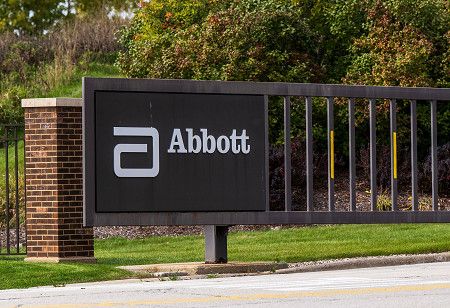
Abbott plans a major nutrition spin-off while it cuts its 2026 sales growth forecast, signaling a clear shift toward higher-growth healthcare segments.
The company moves to separate its nutrition unit into an independent publicly traded firm even as softer medical device demand prompts a lower outlook.
This dual announcement reshapes Abbott’s portfolio and aims to unlock value for both the core business and the new nutrition entity.
Investors now watch how the spin-off timeline and revised guidance reshape the company’s trajectory through 2027 and beyond.
Abbott now expects 2026 sales growth of about 6 percent, down from its earlier range of 6.5 percent to 7.5 percent. The company also tightens its full-year adjusted earnings-per-share forecast to a range of USD 5.50 to USD 5.55 from the previous USD 5.45 to USD 5.60.
Third-quarter results showed adjusted profit of USD 1.42 per share, matching estimates, and total revenue of USD 13.01 billion against an average analyst estimate of USD 13 billion.
Medical devices sales rose 6.9 percent to USD 5.83 billion yet fell short of the USD 5.88 billion expectation, reflecting weaker-than-expected heart device performance. Abbott shares dropped 4 percent in morning trading after the update.
Also Read: Why Clinical Evidence Matters More in MedTech Commercialization
Abbott intends to separate its global nutrition business into a standalone publicly traded company through a tax-free distribution of shares to existing Abbott shareholders. Management targets completion by the end of 2027, subject to regulatory approvals and final board consent.
Key details of the planned nutrition company include:
Daniel Salvadori, currently Executive Vice President and Group President of Established Pharmaceuticals and Nutritional Products, will serve as chief executive officer of the new entity.
CEO Robert Ford states that the separation will benefit both companies by allowing each to pursue distinct growth strategies and capital allocation approaches. The nutrition unit will continue operating within Abbott until the separation finishes.
The nutrition division lost a major U.S. government supply contract last year and absorbed higher manufacturing costs that led to price increases and softer demand. The baby formula business has carried challenges since the 2022 recall and temporary shutdown of the Sturgis, Michigan plant.
Lawsuits alleging that specialized formula for premature infants caused a serious bowel condition have also weighed on the unit. Abbott joins peers such as Johnson & Johnson in reshaping portfolios to concentrate on higher-growth areas.
After the separation, Abbott expects to retain roughly USD 42 billion in annual sales and market-leading positions in cardiovascular and neuromodulation devices, biowearables, laboratory and point-of-care diagnostics, cancer diagnostics, and established medicines.
Management highlights compelling growth opportunities in these core segments driven by aging populations, chronic disease prevalence, and demand for earlier diagnosis.
Analysts note that the moderated guidance could affect the 2027 trajectory even as the nutrition spin-off offers potential value creation. Abbott plans to quantify one-time transaction charges at a later date and will provide 2027 guidance in January.
The company emphasizes that the separation will not alter its current 2026 outlook. Both the revised sales forecast and the nutrition independence plan now define Abbott’s near-term strategic path.