India Pharma Outlook Team | Monday, 28 September 2026
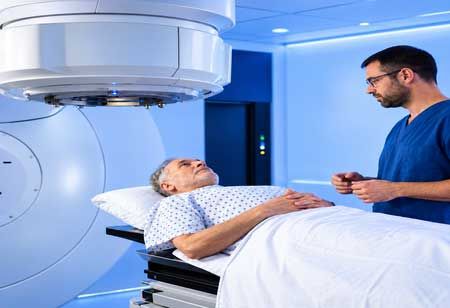
The landscape of oncology has undergone a remarkable transformation over the past two decades, driven by groundbreaking research, technological innovation, and a more nuanced understanding of cancer biology. As our knowledge of cellular mechanisms deepens, medical institutions worldwide are redefining what comprehensive cancer care means for patients and their families. The shift from generalized treatment protocols to personalized therapeutic approaches marks a pivotal moment in medicine, where each patient's unique genetic makeup and tumor characteristics guide clinical decision-making.
Traditional oncology centered on three primary modalities: surgery, chemotherapy, and radiation therapy. While these remain foundational, contemporary cancer care has expanded exponentially to include immunotherapy, targeted molecular treatments, hormonal interventions, and precision medicine approaches. This diversification stems from decades of research into cancer genomics and the tumor microenvironment, revealing that cancer is not a single disease but rather hundreds of distinct conditions requiring tailored interventions.
Modern treatment strategies integrate diagnostic sophistication with therapeutic innovation. Advanced imaging techniques such as PET-CT scans and MRI fusion technology allow clinicians to visualize tumors with unprecedented clarity, while liquid biopsy technologies enable the detection of circulating tumor DNA in blood samples. These diagnostic advances inform treatment selection and monitoring, allowing oncologists to adjust therapies in real-time based on how tumors respond or develop resistance.
The cornerstone of effective cancer treatment today is the multidisciplinary tumor board, where medical oncologists, surgical oncologists, radiation oncologists, pathologists, radiologists, and specialized nurses collaborate to develop individualized treatment plans. This collaborative approach ensures that every patient benefits from collective expertise rather than isolated specialty perspectives. When specialists from different disciplines review cases together, they identify therapeutic opportunities and potential complications that might be missed in siloed consultations.
Choosing a title or paragraph based on the anchor text should emphasize comprehensive care that goes beyond clinical treatment. When seeking advanced oncology services, patients should look for institutions that combine cutting-edge medical interventions with robust supportive care programs. A dedicated cancer hospital offers integrated services including nutritional counseling, pain management, psychological support, and palliative care specialists who work alongside treatment teams to address the full spectrum of patient needs throughout the cancer journey.
The advent of next-generation sequencing has revolutionized how oncologists approach treatment selection. Comprehensive genomic profiling of tumor tissue identifies specific mutations, gene amplifications, and protein expressions that drive cancer growth. With this molecular roadmap, clinicians can prescribe targeted therapies designed to inhibit specific pathways essential for tumor survival. For example, patients with non-small cell lung cancer harboring EGFR mutations may respond dramatically to tyrosine kinase inhibitors, while those with ALK rearrangements benefit from different targeted agents.
Beyond identifying actionable mutations, genomic testing helps predict which patients will respond to immunotherapy. Tumor mutational burden, microsatellite instability status, and PD-L1 expression levels serve as biomarkers guiding the use of checkpoint inhibitors. These immune-based therapies have transformed outcomes in melanoma, lung cancer, kidney cancer, and numerous other malignancies by unleashing the body's own immune system against cancer cells.
Modern oncology recognizes that successful cancer treatment extends beyond tumor eradication to encompass quality of life preservation. Comprehensive cancer centers now integrate palliative care from diagnosis rather than reserving it for end-of-life situations. Early palliative care involvement has been shown to improve patient satisfaction, reduce unnecessary hospitalizations, and in some studies, extend survival by helping patients tolerate aggressive treatments more effectively.
Survivorship programs address the long-term physical and emotional consequences of cancer treatment. These initiatives provide surveillance for recurrence, management of treatment-related side effects such as neuropathy or cardiac dysfunction, and psychological support for patients navigating life after cancer. As highlighted in discussions about innovative healthcare strategies that physicians advocate, holistic patient care models that address physical, emotional, and social health dimensions produce better outcomes than purely biomedical approaches.
Access to clinical trials represents a critical advantage offered by leading cancer treatment facilities. These studies provide patients with investigational therapies years before they become commercially available, often representing the most advanced treatment options for challenging malignancies. Phase I trials explore novel drug mechanisms, Phase II studies evaluate efficacy in specific cancer types, and Phase III trials compare new treatments against current standards of care.
Participation in research also contributes to the collective understanding of cancer, helping future patients benefit from accumulated knowledge. Leading institutions maintain robust research infrastructures that translate laboratory discoveries into clinical applications rapidly, a process known as translational medicine. This bench-to-bedside approach accelerates the pace at which scientific breakthroughs reach patients who need them most.
While treatment advances capture significant attention, understanding cancer biology also informs prevention strategies. Research into cancer risk factors and mechanisms has identified modifiable behaviors and environmental exposures that influence cancer development. Tobacco cessation, healthy dietary patterns, regular physical activity, and vaccination against cancer-causing viruses like HPV and hepatitis B significantly reduce cancer risk across populations.
Screening programs for breast, cervical, colorectal, and lung cancers detect malignancies at earlier, more treatable stages. Population-based screening initiatives have demonstrably reduced mortality from these diseases, underscoring the importance of preventive medicine alongside therapeutic innovation. Genetic counseling services identify individuals with hereditary cancer syndromes who benefit from enhanced surveillance or prophylactic interventions, preventing cancers before they develop.
Distinguished cancer treatment facilities distinguish themselves through several key characteristics. They maintain high patient volumes that allow specialists to develop expertise in specific cancer types, they invest in advanced technologies and infrastructure, and they foster cultures of continuous learning and quality improvement. Accreditation by recognized oncology organizations ensures adherence to evidence-based treatment protocols and safety standards.
These institutions typically offer comprehensive services under one roof, eliminating the fragmentation that often complicates cancer care. When diagnostic imaging, laboratory services, infusion centers, radiation therapy facilities, and surgical suites exist within an integrated campus, patients experience greater convenience and care coordination. Electronic health records shared across specialties ensure that every provider has complete information, reducing errors and improving communication.
The complexity of modern cancer care necessitates dedicated patient navigation services. Nurse navigators guide patients through the treatment process, scheduling appointments, coordinating between specialties, and serving as a consistent point of contact. They help patients understand their diagnoses, treatment options, and side effect management, reducing anxiety and improving adherence to treatment plans.
Financial counselors assist with insurance authorization, medication access programs, and identifying resources for patients facing economic hardship. Cancer treatment can impose significant financial toxicity on families, and comprehensive centers address this reality through social work services and connections to community resources that support patients beyond the medical aspects of their care.
The trajectory of cancer care points toward increasingly personalized and less toxic therapies. Artificial intelligence algorithms analyze vast datasets to predict treatment responses and identify patterns invisible to human observers. Nanotechnology promises targeted drug delivery systems that concentrate therapeutic agents within tumors while sparing healthy tissues. CAR-T cell therapy and other cellular immunotherapies continue expanding to new cancer types, offering curative potential for previously intractable diseases.
Despite remarkable progress, cancer remains a formidable challenge requiring sustained research investment, clinical innovation, and compassionate care delivery. The integration of scientific advancement with humanistic medicine defines contemporary oncology at its best, offering patients not only extended survival but also preserved dignity and quality of life throughout their cancer journeys. As institutions continue refining their approaches and new discoveries emerge from laboratories worldwide, the future holds promise for transforming cancer from a feared diagnosis into an increasingly manageable chronic condition for many patients.
.jpg)