
India Pharma Outlook Team | Thursday, 12 November 2026
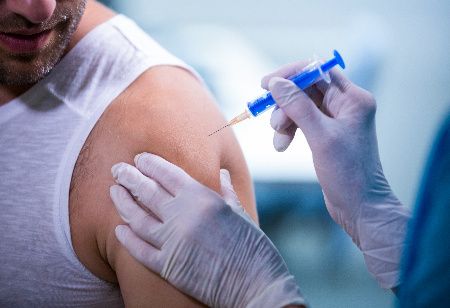
Clinical trial regulations in India are under review as the government explores opening first-in-human (FIH) Phase I studies to multinational pharmaceutical companies, including trials of molecules discovered overseas.
The move could help India compete for global drug research, but it also raises questions about safeguards for participants in studies testing medicines in humans for the first time.
Any formal decision would require all regulatory processes and safeguards to be worked out. No policy change has yet been finalized. The proposal remains under discussion.
Under the New Drugs and Clinical Trials Rules, 2019, foreign-developed drugs generally need overseas Phase I data with the application. The Central Licensing Authority may then permit repeat Phase I or subsequent Phase II and Phase III trials in India.
The government is now considering whether the existing pathway for Indian-developed molecules can also be extended to multinational pharmaceutical companies.
This could help India participate earlier in global drug development instead of entering the process only after initial human studies have been completed elsewhere.
Also Read: How Can India Pharma Bridge the Gap Between Innovation and Access
Phase I trials involve testing a drug in humans for the first time, making participant protection particularly important.
India already has safeguards under its clinical trial regulations. Registered ethics committees review research proposals, informed consent documents and participant recruitment.
They also oversee compensation in cases of trial-related injury or death.
Any expansion should therefore retain strong requirements for:
Parexel Vice President Kausik Maiti has called for publicly available guidelines explaining how foreign-origin molecules can enter India's first-in-human research pathway.
He has also recommended a risk-based framework and a structured scientific advice process to give companies greater certainty before starting trials.
Australia, which clears clinical trial applications in four to six weeks and offers financial incentives for Phase I studies, provides a competitive example.
India can attract global drug trials, but faster approvals alone will not be enough. Clear clinical trial regulations in India, experienced research teams and strong patient safeguards must develop together.



