
India Pharma Outlook Team | Friday, 28 August 2026
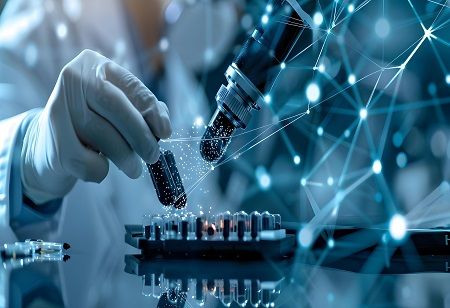
Drug development could see a major shift as Huawei expands its artificial intelligence partnerships with pharmaceutical companies.
The Chinese technology company plans to deepen collaborations with domestic drugmakers across drug development and clinical practice.
Huawei already provides AI tools that screen potentially viable drug compounds. Its Ascend and Kunpeng chips support these applications.
Industry forecasts suggest that machine learning could cut early-stage drug development timelines and costs by up to 50 per cent within the next three to five years.
Huawei wants to build a stronger position in the growing AI drug discovery market. William Zhang, president of Huawei’s healthcare business unit, said the company expects more collaborations with pharmaceutical companies as it deepens its medical AI research.
The company currently works mainly with domestic drugmakers. Huawei also has some collaborations involving clinical practice in hospitals. Zhang said the company continues to explore additional opportunities in this area.
The planned expansion could take Huawei’s role beyond drug manufacturing. The company aims to support pharmaceutical businesses across drug development, clinical applications and final implementation.
Also Read: How Regulatory Readiness Can Shape Pharma's Global Growth
The push comes as pharmaceutical companies increase their use of AI modeling tools and automated laboratories. These technologies can help researchers evaluate drug targets, identify promising molecules and improve clinical trial planning.
Industry forecasts point to high cost and time savings. Machine learning could reduce early-stage drug development timelines and costs by up to 50 per cent within the next three to five years.
This potential reduction matters because early research requires extensive screening and testing before a candidate can progress further. AI can help researchers process large volumes of data and identify promising candidates more efficiently.
Huawei already offers tools for screening potentially viable drug compounds. The company combines these capabilities with its Ascend and Kunpeng chips. In May, Huawei said a project with state-owned Guangzhou Pharmaceutical Holdings achieved the industry's first production validation of independently developed AI drug research models adapted to its Ascend and Kunpeng technologies.
The project gives Huawei a concrete application in AI-powered drug research. It also shows how the company is combining computing hardware with pharmaceutical research capabilities.
Huawei's expansion also reflects growing competition between technology companies in AI-powered drug research. Nvidia has established AI partnerships with major pharmaceutical companies, including Eli Lilly and Novo Nordisk.
Drugmakers continue to explore AI as they seek faster and more efficient research processes. Technology companies, meanwhile, see pharmaceutical research as an expanding market for AI computing and modeling solutions.
Huawei's planned partnerships could therefore broaden the role of AI in drug development, particularly across China's pharmaceutical sector. The company now plans to extend its collaborations from manufacturing toward development and clinical practice.
.jpg)

