India Pharma Outlook Team | Friday, 27 November 2026
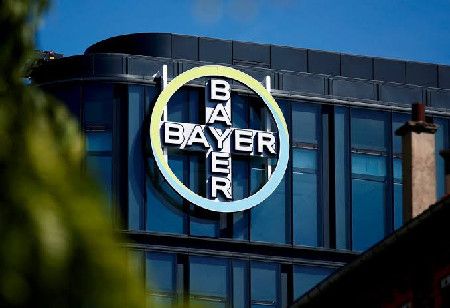
Global pharmaceutical investment faces a changing policy environment as Washington considers tighter biotech rules, while German drugmaker Bayer strengthens its presence in China.
The company plans to invest up to 500 million euros to expand its pharmaceutical production and supply center in Beijing.
This marks Bayer's largest single pharmaceutical investment in China to date. This move also highlights the company's confidence in China's drug development environment and market potential, even as proposed US restrictions create fresh uncertainty for biotechnology investments involving China.
Also Read: Partnerships and Patient-Centric Innovation: Shaping India's Next Pharma Growth Chapter
Bayer's Beijing expansion forms part of a broader commitment to invest approximately 1 billion euros in China by 2030. The company plans to strengthen its medical capabilities, digital operations, manufacturing facilities, and supply chains.
Its growing research presence also supports this long-term commitment. Over the past decade, Bayer has conducted more than 110 joint research projects with Chinese institutions, including Peking University and Tsinghua University. These collaborations cover basic research and drug development.
China's pharmaceutical innovation capabilities and market potential remain central to Bayer's expansion strategy. The company also sees opportunities to connect local research strengths with its global pharmaceutical network.
Bayer's expansion comes as Washington considers new biotech rules that could reshape US investment in China's biotechnology sector. The US Treasury Department proposed regulations under the Comprehensive Outbound Investment National Security (COINS) Act.
The proposal seeks to restrict or prohibit certain US investments and joint ventures involving Chinese biotechnology companies over national security concerns. However, the proposal does not cover traditional drug licensing agreements in its current form. Treasury has invited public comments until December 7, 2026, before it considers the next steps.
The key developments include:
The developments highlight two different approaches to China's pharmaceutical market. Washington is tightening investment controls, while Bayer continues to expand its manufacturing and research presence.
However, the proposed biotech rules do not directly govern Bayer's German investment. Its Beijing expansion reflects the company's stated confidence in China's pharmaceutical market, rather than a direct response to US policy changes.