
India Pharma Outlook Team | Monday, 26 October 2026
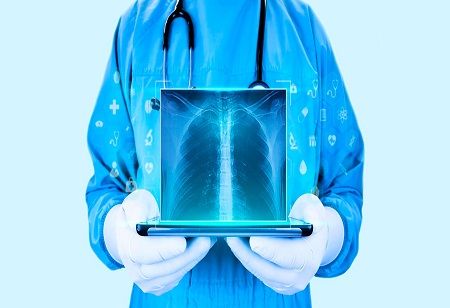
At NAPCON 2026, experts presented artificial intelligence as a practical ally that can flag early signs of tuberculosis on chest X-rays and suspicious nodules of lung cancer on CT scans.
More than 2,000 pulmonologists, respiratory physicians and healthcare professionals from India and abroad gathered in Jaipur for the 28th Joint Annual National Conference of the National College of Chest Physicians and the Indian Chest Society.
Speakers positioned AI as a supportive partner that helps doctors identify high-risk findings faster, prioritize patients and speed up further investigations. The technology does not replace clinical judgement.
Instead, it extends the reach of screening, especially where specialist radiologists remain scarce, and gives Indian patients a better chance at earlier detection of two major respiratory killers.
India carries a heavy tuberculosis burden, accounting for approximately 26 per cent of estimated global TB cases in 2024. Delayed diagnosis remains common, particularly in areas with limited access to specialists.
AI-assisted screening can speed identification and prioritization of high-risk patients. These tools analyze large volumes of images quickly and help health teams refer people for confirmatory tests sooner, which shortens the gap between screening and the start of treatment.
Also Read: 10 Health Habits Doctors Swear By but Rarely Talk About
Experts at the conference outlined clear, practical benefits:
Dr Randeep Guleria, former Director of AIIMS Delhi, noted that AI can support doctors in making faster, more informed decisions and directing patients towards timely investigations.
Dr Raj Kumar of Vallabhbhai Patel Chest Institute added that AI-assisted chest X-ray screening expands detection where specialist expertise is limited and makes screening more efficient once integrated into a reliable system.
Dr Mohammed Munavvar stressed that AI can help clinicians detect and assess suspicious nodules on CT scans and prioritize patients for further checks.
AI remains a support tool, not a final diagnosis. Confirmatory tests and clinical assessment by doctors stay essential. Imaging findings must sit alongside clinical information and established diagnostic protocols.
Success depends on proper validation in Indian populations, training of health staff, affordable access, reliable infrastructure and clear referral pathways that connect patients to confirmatory tests and timely treatment. Experts emphasized that AI must complement doctors’ expertise rather than replace it.
When used wisely, AI can become a strong ally in India’s fight against tuberculosis and lung cancer. It helps catch disease earlier, prioritizes those who need attention most and supports practical solutions that reach patients across the country. The priority, as conference organizers noted, is to translate these advances into accessible tools that benefit people on the ground.



