India Pharma Outlook Team | Monday, 26 October 2026
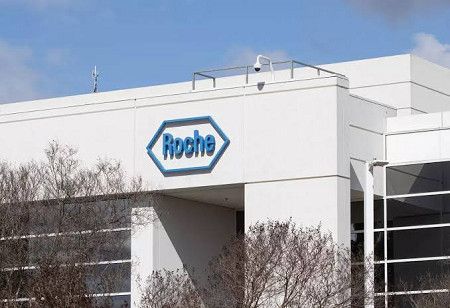
Roche’s investigational drug divarasib reduced the risk of death by 44% compared with currently approved treatments in patients with previously treated KRAS G12C-mutated non-small cell lung cancer.
In the Phase III Krascendo 1 trial, patients on divarasib lived longer, with median overall survival of nearly 18 months versus 12 months for those on sotorasib or adagrasib.
They also stayed on therapy with fewer discontinuations due to side effects.
The head-to-head results, presented at the European Society for Medical Oncology Congress 2026 and published in the New England Journal of Medicine, mark a clear step forward for a difficult-to-treat form of lung cancer.
The key findings from the 338-patient trial stand out clearly:
Benefits held consistent across clinically relevant subgroups. No new safety signals appeared.
Also Read: India's Role in Shaping the Future of Oncology and Immunology
KRAS G12C-mutated non-small cell lung cancer has long proved hard to control after initial therapies. Divarasib, a next-generation inhibitor, delivers longer disease control while causing fewer treatment interruptions.
Patients who stay on therapy longer often experience better day-to-day quality of life and more time without disease progression. The higher response rate and improved tolerability give doctors and patients a stronger option when first-generation drugs fall short.
Krascendo 1 is the first head-to-head Phase III study that pits a next-generation KRAS G12C inhibitor directly against approved first-generation agents, sotorasib and adagrasib. The clear win raises the bar for the entire class and puts pressure on existing treatments.
Roche continues a broad development program that tests divarasib alone and in combinations across different stages and lines of therapy. The company is already working with health authorities to bring the treatment to patients.
Wider KRAS testing will remain essential so that eligible patients receive the right therapy. Ongoing trials will explore whether the same benefit can move into earlier treatment settings. Success will depend on access, testing rates, and careful integration into clinical practice.
The 44% reduction in death risk offers a meaningful advance for patients facing this form of lung cancer. It also resets the competitive standard in the KRAS G12C field and points toward more durable, better-tolerated options in the years ahead.