India Pharma Outlook Team | Monday, 09 November 2026
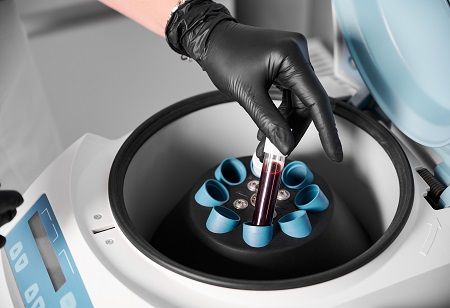
Liquid biopsy, a blood-based testing approach, could help doctors make more precise treatment decisions by identifying cancer-related information in the bloodstream.
Scientists Klaus Pantel and Catherine Alix-Panabieres believe the technology could strengthen personalized cancer care.
Pantel estimates that a USD 1,000 test could potentially save USD 10,000 in treatment costs by preventing inappropriate therapy.
This raises an important question: Can better cancer testing help patients avoid unnecessary medical expenses?
Liquid biopsy detects and analyses tumor-related biomarkers circulating in blood. These biomarkers include tumor-derived DNA, RNA, extracellular vesicles and circulating tumor cells, which can provide information about cancer and its progression.
Unlike conventional tissue biopsy, this approach offers doctors a less invasive way to examine cancer-related information. More importantly, it could help clinicians understand which patients are more likely to benefit from particular therapies.
The financial benefits could come from:
The potential savings therefore depend on better treatment selection rather than simply lower testing costs.
Also Read: Debunking Common Myths About Blood Cancers & Its Treatments
Pantel believes liquid biopsy could significantly reduce cancer treatment expenses. Speaking to ETHealthworld, he estimated that a USD 1,000 test could save approximately USD 10,000 in therapy costs that doctors might otherwise spend on inappropriate treatment.
The argument becomes particularly relevant in India, where expensive cancer therapies can stretch household finances. However, this figure represents an expert estimate, not a guaranteed saving for every patient. Actual savings would depend on how effectively testing influences treatment decisions.
Despite its potential, liquid biopsy still needs stronger clinical evidence to establish its benefits for patients. Alix-Panabieres emphasized the need for more interventional clinical trials to demonstrate how clinicians can use test results to improve treatment decisions. Pantel also highlighted resistance from established diagnostic fields, including imaging and tissue biopsy, which can complicate the development of new technologies.
Liquid biopsy could help cancer care become more precise and financially sensible. Its real value, however, depends on clinical evidence, effective integration into treatment decisions, and wider adoption. Ultimately, the biggest financial benefit may come from helping patients avoid expensive treatments that offer little chance of success.