
India Pharma Outlook Team | Friday, 05 June 2026
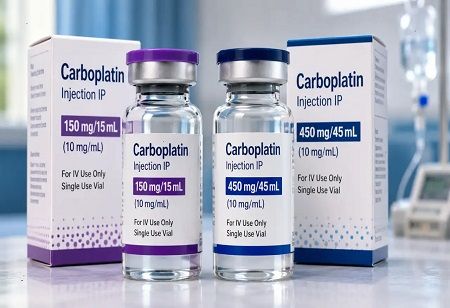
Cancer treatment in India is facing fresh challenges as hospitals across the country report shortages of key chemotherapy drugs, raising concerns among doctors and patients.
The shortage of essential medicines such as Cisplatin and Carboplatin has started affecting treatment schedules, creating uncertainty for many cancer patients who rely on timely chemotherapy sessions for recovery.
The shortage of chemotherapy medicines has become a growing concern in both government and private hospitals. Doctors say Cisplatin and Carboplatin are among the most commonly used drugs for treating several types of cancers, including lung, cervical, ovarian and head-and-neck cancers. Since these medicines form an important part of many treatment plans, any disruption in supply can have serious consequences.
In recent weeks, hospitals have reportedly struggled to secure enough stock, forcing some healthcare providers to adjust chemotherapy treatment schedules or delay sessions for patients. For people already battling cancer, such disruptions can add emotional and physical stress to an already difficult journey.
Also Read: Novelix Pharma Jumps 10% on German Pact for Astaxanthin Production
Medical experts stress that chemotherapy treatments are carefully planned and given in cycles at specific intervals. Missing or delaying treatment may affect how well a patient responds to therapy. While doctors may explore alternative medicines in some situations, switching treatment is not always possible because every cancer case requires a carefully designed approach.
Patients and their families are increasingly worried about how long the shortage may continue. For many, especially those travelling from smaller towns to major cities for treatment, uncertainty around medicine shortage adds another layer of hardship. Cancer care in India is already expensive and emotionally demanding, and delays in treatment can deepen anxiety for families hoping for positive outcomes.
Healthcare professionals have also expressed concern that a prolonged shortage could put greater pressure on India’s healthcare system, particularly cancer centres already dealing with rising patient numbers. Experts believe uninterrupted access to life-saving medicines must remain a priority to avoid disruptions in care.
The shortage has also raised broader questions about the reliability of pharmaceutical supply chains for essential medicines. Industry observers say issues related to manufacturing, raw material availability or distribution bottlenecks may contribute to shortages, although the exact reasons behind the current situation remain unclear.
India has seen a steady rise in cancer cases in India over the years, increasing the demand for chemotherapy medicines and specialised care. As more patients depend on these treatments, experts say healthcare systems and pharmaceutical companies need stronger planning to ensure uninterrupted supplies.
Doctors believe better coordination between manufacturers, suppliers and healthcare institutions could help prevent similar crises in the future. Maintaining adequate stock of oncology medicines is especially important for diseases like cancer, where treatment timing can directly influence patient outcomes.
For now, patients and caregivers are hoping for quick action to restore supplies and avoid further interruptions. While hospitals continue to manage the situation as best they can, many families remain anxious, waiting for reassurance that essential medicines will once again be readily available.


.jpg)
