India Pharma Outlook Team | Tuesday, 21 July 2026
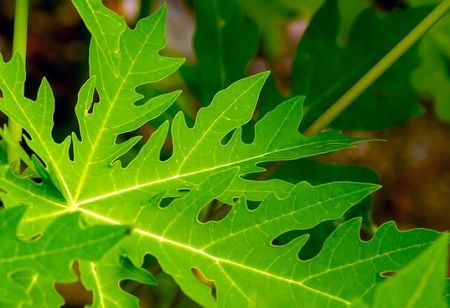
International researchers have raised fresh concerns over papaya cancer research conducted by Tata Memorial Centre.
They have questioned whether the study provides enough evidence to support its conclusions.
The Tata Memorial study had claimed that papaya leaf extract tablets helped improve platelet counts in chemotherapy patients.
However, global researchers have now questioned the study's methods. The concerns have raised doubts about whether the findings are strong enough for clinical use.
The study had attracted attention after reporting positive results in cancer patients with low platelet counts. It suggested that papaya leaf extract could become a low-cost option for managing chemotherapy-related complications. However, experts now say more evidence is needed before doctors can rely on the findings.
The clinical trial was conducted by Tata Memorial Centre and involved 219 cancer patients with chemotherapy-induced thrombocytopenia. The patients were randomly divided into two groups. One group received standardized papaya leaf extract tablets. The other group received a placebo.
According to the published findings, patients taking the papaya tablets recovered platelet counts faster. The study also reported fewer chemotherapy delays and fewer dose reductions. Researchers did not find any major safety concerns during the trial.
The research was published in the JCO Global Oncology journal. It was seen as an important development because chemotherapy often lowers platelet counts. This increases the risk of bleeding and treatment delays.
However, researchers from different countries have now raised concerns after reviewing the paper.
Also Read: Why the Latest Ebola Outbreak Has Global Health Experts on Alert
The experts have not claimed that the study is false. Instead, they have questioned whether the evidence supports the conclusions.
Their concerns include:
These questions have triggered scientific discussions about the study's reliability.
Experts say such reviews are a normal part of medical research. Scientific findings are often examined again after publication. This helps ensure that treatment recommendations are based on strong evidence.
The journal and the study authors may respond to the concerns raised by researchers. They may provide additional data or explain the methods used. If needed, the journal can request corrections or further analysis. In rare situations, studies may even be retracted if major problems are confirmed.
For now, doctors are expected to continue following established clinical guidelines. They are unlikely to change treatment practices based on a single study. The discussion does not prove that papaya leaf extract is ineffective. It only shows that more research is needed before it becomes a standard treatment.
Medical experts believe larger clinical trials and independent studies will help determine whether papaya leaf extract truly benefits chemotherapy patients with low platelet counts.