
India Pharma Outlook Team | Monday, 18 May 2026
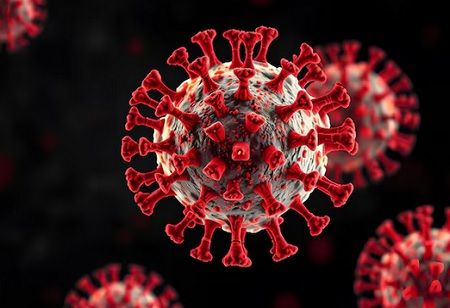
The Bundibugyo virus is once again becoming a global health concern as scientists and health agencies closely monitor the latest Ebola outbreak in Central Africa.
The rare virus, which belongs to the Ebola family, has sparked fresh fears after the World Health Organization (WHO) declared the ongoing outbreak an international public health emergency. Health experts warn that the Bundibugyo virus remains one of the lesser-understood Ebola strains, with no approved vaccine or specific antiviral treatment currently available.
First identified in Uganda’s Bundibugyo district in 2007, the virus is known to cause severe hemorrhagic fever in humans. Symptoms usually begin with fever, fatigue, headaches, and muscle pain before progressing into vomiting, internal bleeding, and organ failure in severe cases. Unlike some other Ebola strains, the Bundibugyo virus has appeared only a few times in recorded history, which means scientists still have limited data on how it behaves, spreads, and mutates over time.
Medical experts say the virus spreads through direct contact with infected bodily fluids, contaminated surfaces, or infected animals. Fruit bats are widely believed to be the natural hosts of Ebola-related viruses, including the Bundibugyo strain. While previous outbreaks remained relatively localized, today’s global travel systems have increased fears that infectious diseases can spread across borders much faster than before.
One of the biggest concerns surrounding the Bundibugyo virus is the lack of targeted vaccines and treatment options. Most Ebola vaccines currently approved worldwide were designed for the Ebola-Zaire strain, which caused several major outbreaks in Africa over the last decade. However, researchers say those vaccines may not provide strong protection against the Bundibugyo strain.
Scientists are also concerned because the virus has shown fatality rates ranging between 30 percent and 50 percent in earlier outbreaks. Experts believe delayed diagnosis, weak healthcare infrastructure, and poor outbreak surveillance can significantly increase death rates during Ebola-related emergencies.
The latest fears intensified after WHO declared the recent Ebola outbreak in parts of the Democratic Republic of Congo (DRC) and Uganda a Public Health Emergency of International Concern. According to international health agencies, the outbreak involves the Bundibugyo strain and has already resulted in multiple deaths and hundreds of suspected infections across affected regions.
Also Read: The Future of MedTech in India: Meeting Tier-2 and Tier-3 Needs
WHO officials warned that cross-border transmission and overcrowded healthcare systems could make containment far more difficult. Emergency response teams are now working to strengthen contact tracing, isolation facilities, and laboratory testing in affected areas to prevent wider spread.
The outbreak has also reignited discussions around global pandemic preparedness. Public health experts say the COVID-19 pandemic exposed major weaknesses in international disease response systems, making governments more cautious about emerging infectious threats like Bundibugyo virus.
As fears surrounding the Bundibugyo virus grow, Indian health agencies and research institutions are closely tracking the outbreak. Although India has not reported any confirmed case linked to the virus, experts say the country has significantly strengthened its infectious disease surveillance systems in recent years.
Organizations like the Indian Council of Medical Research (ICMR) and the National Institute of Virology (NIV) in Pune are actively involved in studying high-risk viruses, genome sequencing, and outbreak preparedness. Following the COVID-19 pandemic, India expanded its network of biosafety laboratories and rapid testing facilities capable of handling dangerous pathogens.
Indian researchers are now focusing heavily on emerging zoonotic diseases — infections that spread from animals to humans — because Ebola-related viruses are believed to originate in wildlife. Scientists say stronger surveillance in both human and animal populations is critical for preventing future outbreaks.
The National Institute of Virology has already played a major role in studying viruses such as Nipah, Zika, Mpox, and Chandipura virus. Experts believe the same research infrastructure could become important if Ebola-related infections ever pose a threat to South Asia.
Indian laboratories are also improving rapid diagnostic systems that can detect dangerous viral infections much earlier. Mobile biosafety labs and genome sequencing programs introduced after COVID-19 are now helping scientists identify mutations and monitor virus transmission more efficiently.
Health experts say international cooperation will remain essential. Since viruses do not respect borders, India continues to work closely with WHO and global health networks to monitor outbreak developments and strengthen emergency preparedness.
Meanwhile, WHO has urged countries around the world to stay alert but avoid panic. Officials emphasized that early detection, faster isolation, public awareness, and coordinated international response will be critical in stopping the Bundibugyo virus outbreak from escalating further.
For now, the world is watching closely as scientists race to understand whether this rare Ebola strain could remain regionally contained or emerge as a much larger global health challenge.

.jpg)