
India Pharma Outlook Team | Monday, 06 July 2026
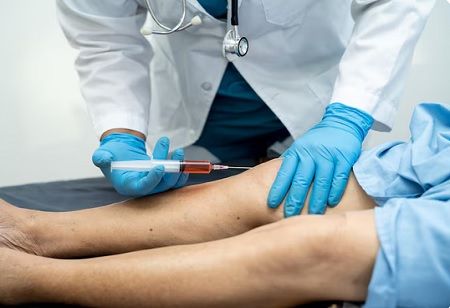
Researchers have developed a new one injection treatment that could reduce the need for osteoarthritis surgery in the future.
The experimental therapy showed it could repair damaged joints and reverse osteoarthritis in animal studies within four to eight weeks.
While the treatment is still far from reaching hospitals, the findings have raised hopes for millions of people living with the painful joint disease. If future studies in humans are successful, this one injection approach could change how osteoarthritis surgery is treated or even delayed.
Osteoarthritis is the most common form of arthritis and affects more than 500 million people worldwide. It causes cartilage to break down, leading to pain, stiffness, swelling, and reduced movement. Current treatments mainly focus on managing symptoms, while severe cases often require osteoarthritis surgery, including joint replacement.
Scientists from the University of Colorado Boulder, CU Anschutz Medical Campus, and Colorado State University have now developed two new therapies designed to repair damaged joints instead of only reducing pain.
The researchers created two different therapies, each targeting joint repair in a different way.
The first treatment uses a one injection system that slowly releases an existing FDA-approved drug directly into the affected joint over several months. This controlled delivery helps reduce inflammation while supporting long-term healing.
The second treatment is an injectable protein-based biomaterial that attracts the body's own repair cells. These cells help rebuild damaged cartilage and repair bone defects inside the joint.
In laboratory tests using human cells, both therapies showed encouraging signs of promoting tissue repair.
Also Read: Scaling Perfusion Technology from Lab Success to Manufacturing Reality
The biggest finding came from animal studies, where researchers found that arthritic joints returned to a healthy state within four to eight weeks after treatment.
The therapies not only reduced inflammation but also regenerated cartilage and repaired bone defects. Unlike current medications that mainly relieve symptoms, these treatments aim to restore the joint itself.
However, researchers caution that these results have only been seen in preclinical studies. More testing is needed before the treatment can be offered to patients.
Although the findings are promising, it is too early to say whether the treatment can replace osteoarthritis surgery.
The therapies have not yet entered human clinical trials. Researchers expect clinical testing could begin within the next 18 months if additional preclinical studies continue to produce positive results.
If human trials confirm the same level of safety and effectiveness, the treatment could help delay or reduce the need for osteoarthritis surgery for many patients. It may also offer a new option that targets the root cause of joint damage instead of simply managing pain.
For now, experts describe the therapy as an important step toward regenerative medicine for joint diseases, but patients will need to wait for clinical trial results before it becomes a treatment option.


.jpg)
