India Pharma Outlook Team | Wednesday, 03 June 2026
The Delhi High Court has directed the Central Drugs Standard Control Organization (CDSCO) to review the approval granted to Zydus Lifesciences for its semaglutide injections, bringing regulatory scrutiny to one of the fastest-growing therapy segments in India—diabetes and weight management.
Zydus markets the drug under brands such as Semaglyn, Alterme, and Mashema. Semaglutide, a GLP-1 receptor agonist, has seen explosive global demand due to its dual role in controlling Type 2 Diabetes and enabling weight loss.
However, the current legal challenge raises critical questions around product design, dosing safety, and regulatory evaluation standards in India.
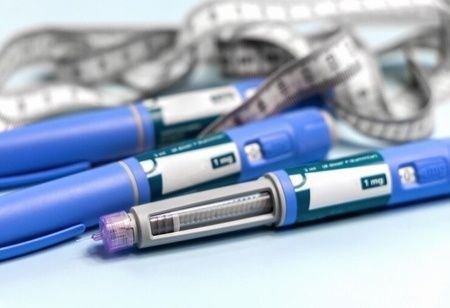
At the heart of the petition is the allegation that Zydus has deviated from globally established delivery mechanisms. Internationally, semaglutide is typically administered through pre-filled, pre-calibrated pen devices that allow precise, incremental dosing aligned with titration schedules.
In contrast, the petitioner argues that Zydus has launched a uniform, high-strength formulation that requires patients to manually calculate doses using a reusable pen and cartridge system. This approach, it is claimed, lacks built-in safeguards and increases the risk of incorrect dosing.
The petition highlights potential risks such as overdose, underdose, and confusion between therapeutic indications. Since diabetes management and weight loss require distinct titration pathways and maintenance doses, a single formulation without clear dosing controls could create serious health complications if not administered correctly.
Also Read: GLP-1 Side Effects: Tips for Gastrointestinal Comfort 2026 Update
Justice Purushaindra Kumar Kaurav has allowed the petitioner to submit a detailed representation to CDSCO, directing the regulator to review the concerns and issue a decision within two months.
The court’s intervention underscores the seriousness of the allegations, particularly those claiming that the approval may be “arbitrary” and not fully aligned with established clinical frameworks governing semaglutide’s safety and efficacy.
The outcome of this review could determine whether modifications, additional safeguards, or even regulatory reversals are required.
Beyond Zydus, the case has broader implications for the rapidly expanding GLP-1 drug market in India. With global pharma majors and domestic players increasingly eyeing semaglutide and similar molecules, regulatory clarity on dosing formats and delivery systems will become critical.
If CDSCO tightens norms around device-based drug delivery and titration protocols, it could reshape how companies design and commercialize such therapies in India. Players entering the segment may need to align more closely with global standards, particularly around patient safety mechanisms.
For multinational companies already marketing semaglutide globally through advanced pen devices, stricter regulations in India could create a competitive advantage, reinforcing trust in their established delivery formats.
On the other hand, domestic manufacturers aiming to offer cost-effective alternatives may face higher development and compliance costs, especially if required to invest in sophisticated drug-device combinations rather than simpler formulations.
One of the underlying dynamics in this case is the balance between affordability and safety. Simpler formulations and reusable delivery systems can potentially reduce costs and improve accessibility in a price-sensitive market like India.
However, the absence of automated dosing controls raises concerns about patient safety, particularly in therapies that rely heavily on gradual dose escalation.
If regulators mandate stricter delivery standards, companies may need to rethink pricing strategies, as device-enabled formulations typically come with higher production costs. This could impact market penetration, especially in segments like obesity treatment, where insurance coverage remains limited.
The case may also set a precedent beyond semaglutide. As India sees increasing adoption of biologics, biosimilars, and combination drug-device products, regulatory expectations around usability, dosing accuracy, and patient safety are likely to evolve.
Pharma companies could face more rigorous scrutiny not just on drug efficacy, but also on how medicines are administered in real-world settings. This may accelerate investments in patient-centric design, digital dosing aids, and smart delivery systems.
The Delhi High Court’s directive to review Zydus Lifesciences’ semaglutide approval marks a critical inflection point for India’s pharmaceutical regulatory landscape.
What began as a patient safety concern could evolve into a broader industry reset, forcing drugmakers to align more closely with global delivery standards, recalibrate cost structures, and prioritize safety-led innovation in one of the most competitive therapy segments.
Zydus Lifesciences is a leading Indian pharmaceutical company with a growing global footprint, engaged in developing, manufacturing, and marketing a wide range of healthcare therapies across generics, vaccines, biosimilars, and specialty drugs.