Samrat Pradhan, Managing Editor at India Pharma Outlook

Starting a metabolic health journey is a monumental step toward long-term wellness. Glucagon-like peptide-1 (GLP-1) receptor agonists—such as semaglutide (Ozempic, Wegovy) and tirzepatide (Mounjaro, Zepbound)—have completely transformed how we treat type 2 diabetes and chronic obesity. However, success often comes with a catch. Because, as with benefits, there also lies some notable GLP-1 Side Effects.
While millions of patients adapt to these medications, a collective truth has emerged: gastrointestinal side effects are highly prevalent. If you are dealing with waves of nausea or sudden bowel changes, you are far from alone.
So, understanding the exact biological mechanics behind these reactions can take away the anxiety and help you manage your symptoms effectively.
While others battle sudden vomiting, bloating, diarrhea, or painful constipation, these symptoms usually peak during the increase in dose.
What does this happen? The answer would be that GLP-1 receptor agonists mimic natural gut hormones. They intentionally slow down your digestion. This process is called delayed gastric emptying. It keeps you full for longer periods.
Unfortunately, a slower stomach can trigger immediate distress. For some, the discomfort becomes overwhelming at times. Due to which patients even stop taking their medication entirely at times.
But the good news is - you do not have to suffer through the transitions as managing GLP-1 side effects is entirely possible. You can achieve excellent gastrointestinal comfort if you happen to follow the right strategies - A simple dietary shift can completely change your experience.
Adjusting your eating speed makes a massive difference
Knowing which trigger foods to avoid protects your stomach
This guide offers practical, evidence-based advice. We look at the latest clinical insights. We break down simple lifestyle tweaks. These tips will help you minimize stomach issues safely. Are you currently dealing with mild nausea? Are you trying to prevent severe cramping? Read on to discover how to protect your gut and maximize your health results.
GLP-1 receptor agonists work by meticulously mimicking the natural incretin hormones your gut produces after eating. For instance, in a healthy metabolic system, these hormones signal your pancreas to release insulin and prompt your brain to register fullness.
To maximize weight loss and blood sugar control, therapeutic GLP-1 medications introduce these hormones at much higher, sustained levels than your body naturally produces. Due to this process, it induces delayed gastric emptying - a purposeful slowing down of the speed at which your stomach processes and digests food.
So in simple terms, a slowed stomach is highly effective for keeping you full and suppressing appetite, but at the same time, it alters your baseline digestion.
Food remains in the gastric cavity for a prolonged period, which can physically stretch the stomach wall and irritate local nerve pathways.
Medical data proves that gastrointestinal distress is a standard physiological response to GLP-1 titration and not a sign that something is wrong. Large-scale clinical trials tracking once-weekly therapies show that symptoms are typically mild-to-moderate, temporary, and highly dose-dependent.
To help normalize this experience, review the data below highlighting estimated symptom prevalence during the initial titration phase, alongside their specific physiological triggers:
The most reassuring takeaway from large-scale clinical trials is that these symptoms are transient. For the majority of patients, gastrointestinal side effects are temporary hurdles rather than long-term challenges.
The human body is complex, wherein, your digestive tract and central nervous system are highly adaptable. So, once you move past the escalation phase and settle onto a stable maintenance dose, your body achieves metabolic equilibrium. The severe stomach upset typically subsides, leaving you with the desired appetite suppression minus the daily discomfort.
If your symptoms feel unmanageable during a dose transition, you must communicate the same to your prescribing physician. According to consensus guidelines tracked by the National Center for Biotechnology Information (NCBI), clinical protocols allow providers to extend your current dosage phase for an extra month or split doses where clinically appropriate. This gives your body a few extra weeks to adjust and can make a massive difference in your daily comfort.
If someone is dealing with waves of nausea or the fear of vomiting, one only knows how significantly it disrupts your day. Fortunately, you can manage these sensations using proven, practical clinical strategies.
By adjusting how you approach your medication schedule, eating habits, and daily routine, you can significantly reduce stomach distress and stay comfortable and at ease.
The single most effective way to minimize severe stomach distress is to pace your treatment timeline. You should always discuss your specific titration schedule with your prescribing physician.
For instance, if a recent dose increase has left you unable to function, ask your healthcare team about a slower dose escalation. Extending your current lower dose for an extra two to four weeks can give your digestive system more time to adapt.
Furthermore, never alter your prescribed dosage on your own, but rather, collaborate closely with your doctor to build a highly customized, manageable timeline.
As GLP-1 medications actively delay your gastric emptying, your stomach cannot handle the same volume of food as it did before. So to avoid overwhelming your digestive tract, switch to eating frequent meals throughout the day but in smaller quantities.
Most importantly, you must learn to stop eating at the very first sign of fullness. Overeating on a slowed stomach is the most common trigger that results in immediate, forceful vomiting. So, eating slowly, chewing your food thoroughly, and allowing your brain enough time to register the early satiety signals from your gut is crucial.
Identify and Heavily Avoid Dietary Triggers
What you choose to put on your plate also plays a direct role in how your stomach reacts to your medication. For instance, there are certain types of food that require massive digestive effort, resulting in sitting in your slowed stomach for prolonged periods; thereby amplifying severe nausea.
High-Fat and Greasy Items: Fried chicken, burgers, heavy oils, and pizza slow down your gastric emptying even further.
Heavily Fried Foods: These line the stomach wall and frequently trigger acidic, sour burps.
Intensely Spicy Foods: Spices can irritate a sensitive gastric lining, leading to immediate reflux and nausea.
Stick to bland, plain options like grilled chicken, firm tofu, white rice, and clear broths during days when your nausea peaks.
When acute waves of nausea strike, fast-acting, natural remedies can provide excellent supplementary relief without interfering with your prescription.
Fresh Ginger Tea: Steeping real ginger root in hot water releases active gingerols, which clinically proven to help settle stomach contractions.
Low-Sugar Ginger Candies: Sucking on these provides a portable, quick option to curb unexpected nausea while away from home.
Peppermint Infusions: Peppermint tea or inhaling clinical-grade peppermint essential oil can also help relax the smooth muscles of the GI tract, thereby relieving that tight, cramped feeling.
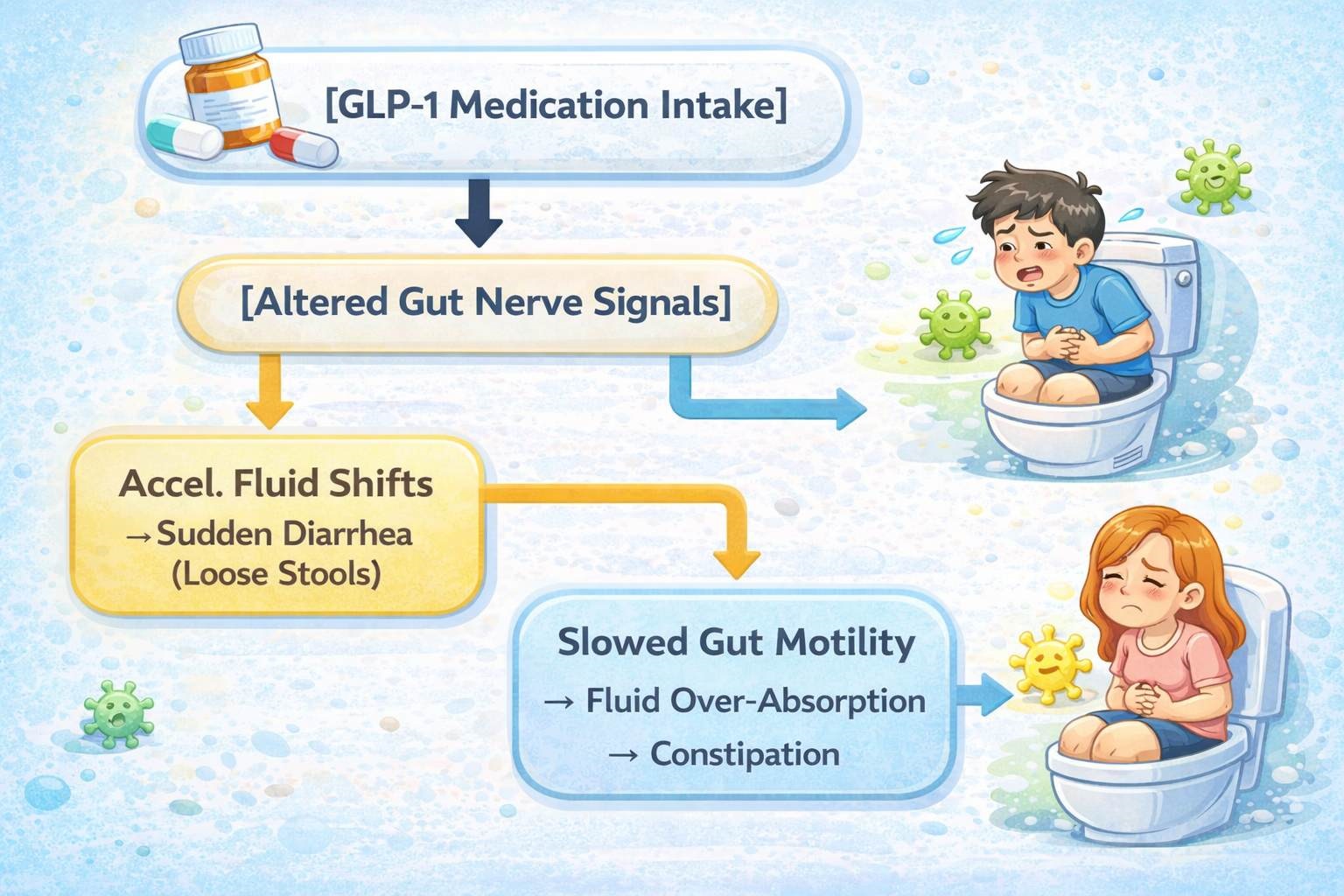
GLP-1 receptor agonists alter how liquids and solids navigate your digestive tract. As these medications interact with local nerve pathways, your bowel habits can fluctuate wildly. Many patients find themselves swinging between sudden loose stools and painful, sluggish digestion.
Managing these shifts requires a proactive, step-by-step approach to what you eat and drink. Given the situation, you can restore bowel regularity and protect your overall comfort by using targeted nutritional choices.
Sudden diarrhea usually occurs when your body is adjusting to a new, higher dosage phase. When loose stools strike, your primary goals are to soothe the irritated gut lining and prevent dehydration.
Rely on Bland Binding Foods: Lean temporarily on the BRAT diet (bananas, white rice, applesauce, and plain toast). These foods are exceptionally low in residue and gentle on your intestines. They act as natural binding agents to help solidify your stool.
Eliminate Gut Stimulants: Avoid beverages containing excess caffeine and alcohol completely as it can hyper-stimulate bowel motility.
Steer Clear of Artificial Sweeteners: You should carefully check food labels for sugar alcohols like sorbitol, mannitol, and xylitol. These ingredients pull excess water directly into your colon which compounds fluid loss and worsening cramping.
Replenish Your Electrolytes: Sip on diluted electrolyte formulas or clear bone broths instead of gulping massive quantities of plain water, which can dilute your system further.
Waste material remains in your large intestine for extended periods as GLP-1 medications actively slow down gut motility. The colon responds by absorbing too much water from the waste; thereby rendering stools hard, dry, and highly painful to pass.
Prioritize Soluble Fiber: Introduce gentle soluble fiber into your morning routine. Foods like rolled oats, chia seeds, and peeled apples form a soft gel in your digestive tract, keeping stools pliable. Avoid heavy, coarse insoluble fibers like raw wheat bran, which can worsen painful gas and bloating.
Set Strict Hydration Goals: Fiber cannot do its job without an abundance of liquid. Commit to sipping at least 64 to 80 ounces of water daily. Keep a structured water bottle nearby and drink consistently throughout the day rather than chugging large amounts during meals.
Move Your Body Daily: Physical activity helps stimulate natural intestinal contractions. A gentle 10-to-15-minute walk after your largest meal can encourage your bowels to move naturally and regularly.
Your diet directly dictates your comfort level on GLP-1 medications. Because your digestion is slower, what you put into your stomach stays there much longer. Choosing the wrong foods can trigger immediate nausea or reflux.
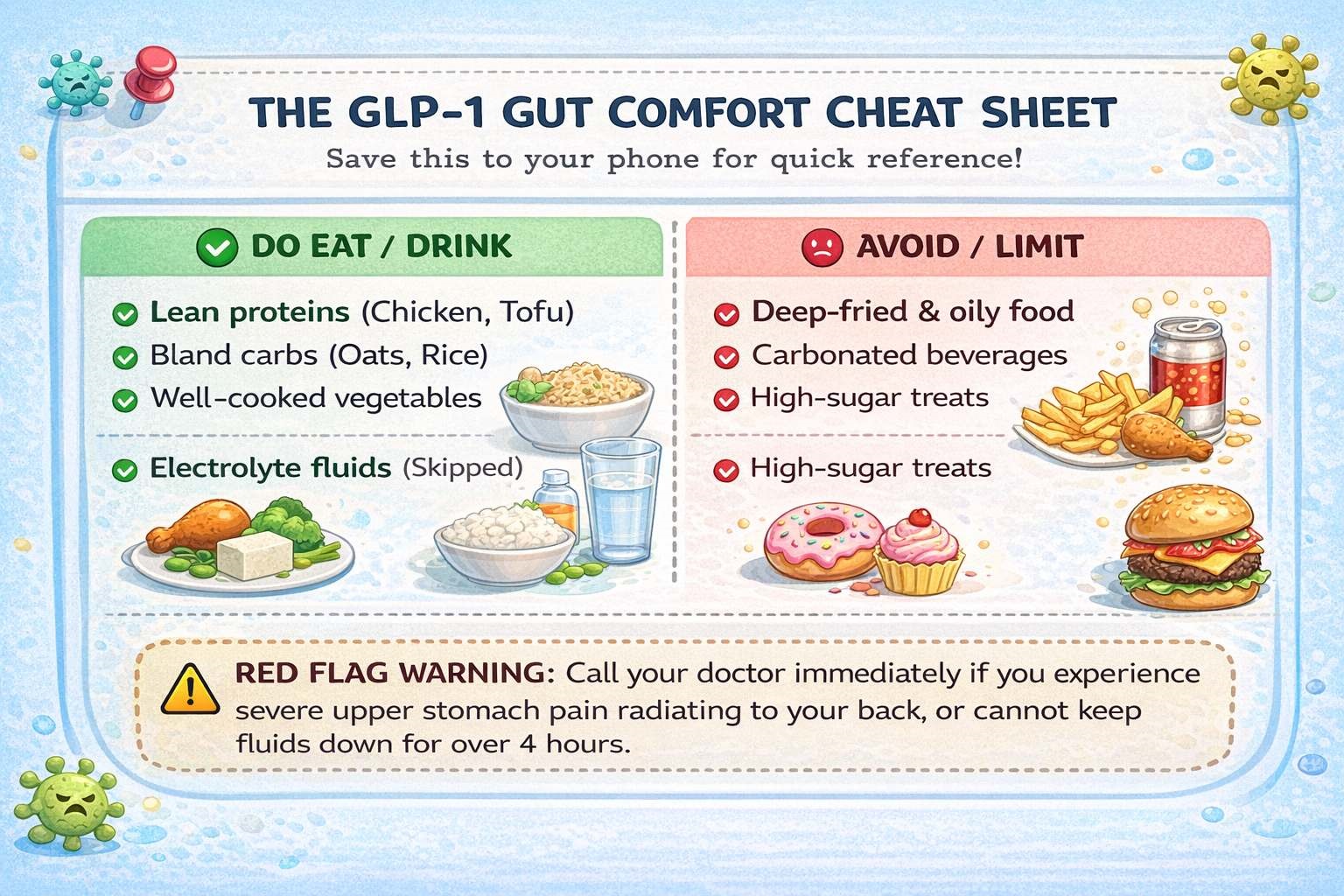
High-Fat and Fried Foods: French fries, pizza, and fatty meats slow digestion even further. They sit in the stomach, ferment, and cause sour burps and severe nausea.
Carbonated Beverages: Sodas and sparkling waters introduce trapped gas. This compounds the bloating already caused by the medication.
Sugary Treats: High-sugar items can trigger rapid fluid shifts in your gut, leading to cramping and sudden diarrhea.
Cruciferous Vegetables (Raw): Broccoli, cabbage, and cauliflower are hard to break down. Eat them cooked, or avoid them during dose increases.
Lean Proteins: Chicken breast, turkey, tofu, and white fish are easy on the stomach and preserve muscle mass.
Bland Carbohydrates: White rice, oatmeal, and saltine crackers help absorb excess stomach acid and soothe active nausea.
Cooked, Non-Starchy Vegetables: Zucchini, spinach, and carrots are soft and easily digested when thoroughly cooked.
Electrolyte-Rich Fluids: Bone broth, diluted coconut water, and electrolyte packets keep you hydrated without filling your stomach with pure water.
While mild to moderate stomach upset is a normal part of the GLP-1 journey, certain symptoms require immediate clinical evaluation. You must know how to separate routine adaptation from a rare but serious medical complication, such as pancreatitis or a bowel obstruction.
Seek immediate guidance from your healthcare team if you experience any of the following "Red Flag" symptoms:
Intractable Vomiting: An inability to keep any fluids or oral medications down for more than 24 hours.
Severe, Radiating Abdominal Pain: Sharp, persistent pain in the upper stomach area that radiates directly through to your back. This can be a sign of acute pancreatitis.
If symptoms remain severe, healthcare providers may consider adjusting treatment timelines, according to comprehensive clinical trials monitored by the U.S. Food and Drug Administration.
While adjusting to a new medication, an expert panel consensus published in the National Center for Biotechnology Information (NCBI) suggests tracking dietary adjustments to help identify personal triggers.
Prioritizing consistent health habits is critical, as long-term outcomes and metabolic shifts detailed by PubMed Medical Research highlight the importance of side effect management for supporting long-term health goals.
Severe Dehydration: Experiencing dark urine, extreme dizziness upon standing, a dry mouth, or a racing heart rate.
Total Lack of Bowel Movements: Passing no gas and having no bowel movements for more than 4 to 5 days, especially when accompanied by hard swelling or severe cramping.
We are witnessing a significant upsurge in the GLP-1 medications in recent times. Recently, Dr Reddy’s and Nestlé Health Science have strengthened their presence in India’s growing obesity nutrition care market with the launch of Celevida GLP+, a nutrition supplement designed for people using GLP-1 and GIP-based therapies for obesity and type 2 diabetes.
"GLP-1 therapies represent a significant advancement in diabetes and obesity management. However, a clear unmet need remains in supporting patients beyond pharmacological treatment, particularly in addressing nutrition gaps and preserving muscle health during therapy," said Dr Reddy's Laboratories CEO, Global Generics and Dr Reddy's and Nestle Health Science Ltd Director, MV Ramana.
Similarly, Novo Nordisk’s weight loss drug has shown promising liver benefits in a new preclinical study, pointing to effects beyond just shedding pounds.
“GLP therapies are transforming metabolic care, but their full impact depends on how well we can monitor and understand patient outcomes beyond the prescription,” said Neeraj Katare, Founder, Tracky.
“We are building a continuous data layer that connects therapy with real-world patient insights enabling better decisions for clinicians and more meaningful evidence for pharmaceutical partners,” he further adds.
Dr. Jothydev Kesavadev, MBBS, MD, FRCP, FACP, FACE(USA), Chairman, at Jothydev's Diabetes and Research Center, Trivandrum, India, said, “While GLP-1 therapies are driving strong clinical outcomes, there is still a gap when it comes to tracking patient progress in real-world settings. A platform that enables continuous monitoring and brings together multiple health parameters can help bridge this gap, offering better visibility into outcomes and enabling more proactive patient management.”
“One of the biggest challenges with GLP therapies today is the lack of continuous visibility into how patients are responding outside the clinic. A platform that enables real-time monitoring of parameters like glucose, weight, and activity can significantly improve how we titrate treatment, manage side effects, and make more informed clinical decisions”, said Dr. Banshi Saboo, Chairman, International Diabetes Federation, South East Asia.
Eli Lilly and Company reported that its investigational oral GLP-1 receptor agonist, orforglipron, achieved superior oral GLP-1 receptor agonist performance in type 2 diabetes management compared with oral semaglutide in a head-to-head phase 3 trial
Furthermore, RPG Life Sciences is sharpening its strategy today with a strong focus on its GLP-1 entry plan and expanding API business, signaling a shift toward high-growth pharmaceutical segments.
Managing GLP-1 side effects does not mean stopping your medication. It means adapting your daily habits to work with your body's new digestive pace. By eating smaller portions, staying hydrated, and avoiding greasy triggers, you can achieve long-term gastrointestinal comfort.
You are most likely to experience stomach upset during the up-titration phase. Up-titration is the structured period when your healthcare provider systematically increases your weekly dosage. Doctors use a step-care titration schedule to give your nervous system time to adapt. However, each new dose increase temporarily floods your system with higher hormone levels. This sudden shift abruptly slows down gastric motility. Your stomach takes longer to empty its contents, resulting in peak levels of nausea or fullness roughly 24 to 48 hours after your injection.
Ignoring progressive symptoms can lead to severe clinical complications, such as acute pancreatitis, extreme dehydration, or a bowel obstruction. If you experience any of the symptoms outlined in the checklist below, stop your medication and contact your healthcare provider or seek immediate medical attention.
Dr. Arunkanth Krishnakumar, Co-founder & CEO, Zeus Hygia Lifescience highlights, “Looking ahead, the future of metabolic health lies in integrating pharmaceutical advancements with scientifically validated nutraceutical innovations. As the burden of metabolic disorders continues to rise globally, the need for scalable and sustainable solutions becomes increasingly urgent. GLP-1 pathways will undoubtedly remain central to this narrative, but the conversation is expanding from single-target interventions to system-wide metabolic optimization.”
“In this emerging paradigm, next-generation nutraceuticals are poised not as alternatives, but as critical enablers of a more comprehensive and inclusive approach to metabolic well-being,” he adds.
Medical Disclaimer: The information provided here is for educational purposes only and should not replace professional medical advice. Always consult your healthcare provider or endocrinologist before altering your medication schedule or starting new treatments.
.jpg)


, CDSCO.jpg "Fostering a Quality Culture in the Pharmaceutical Industry")