India Pharma Outlook Team | Wednesday, 26 August 2026
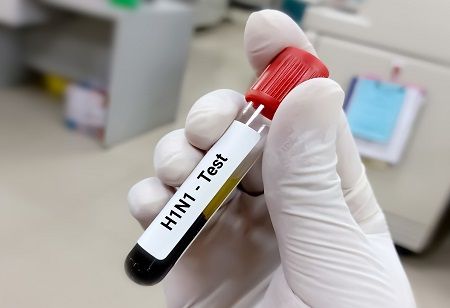
H1N1 cases have crossed 2,300 in Delhi, prompting hospitals to strengthen testing and preparedness.
The capital has recorded 2,308 H1N1 cases so far in 2026. Total Influenza A and B cases have crossed around 3,000.
Delhi hospitals are increasing sampling and monitoring patients for warning signs. They are also preparing isolation beds and keeping medical teams ready. The government has said there is no need for panic.
The rise in H1N1 infections has led government hospitals to strengthen their seasonal flu response. At Guru Tegh Bahadur Hospital, fever clinics and isolation beds are being monitored closely. Hospital teams are also ready to assess patients showing warning signs.
Baba Saheb Ambedkar Hospital already operates a flu clinic during the influenza season. Officials said patients with warning signs are sampled immediately. Patients with severe influenza symptoms or signs of infectious pneumonia are admitted for treatment.
The hospital recorded around 240 patients with flu-like symptoms on Monday. Around 30-40 patients were admitted based on their condition. At Lok Nayak Hospital, officials said flu sampling has also been increased. Patients are assessed for severe symptoms before testing and admission.
Also Read: Why Vaccine Innovation Must Go Beyond Traditional Platforms
Delhi Health Minister Pankaj Kumar Singh held an inter-sectoral meeting on Tuesday. Senior officials from the Health Department, MCD, NDMC and Delhi Cantonment attended. The meeting reviewed disease trends, surveillance and hospital preparedness. It also covered medicines, testing facilities and public awareness.
Officials were directed to strengthen surveillance for influenza-like illness (ILI) and severe acute respiratory infection (SARI). The government also asked hospitals to ensure early detection and timely reporting. Adequate antiviral medicines and other hospital supplies must also remain available.
Awareness campaigns will be conducted across public-facing platforms and crowded areas. Agencies have also been asked to submit action-taken reports.
Singh said the health system is prepared to manage the situation. He also stressed that authorities should not become complacent. The Delhi government is implementing the health advisory issued by the Centre. Hospitals and concerned departments have been asked to follow the advisory.
H1N1 is currently the main influenza subtype reported in Delhi. Last year, H3N2 was the dominant subtype in the capital. Doctors have also highlighted the need for early diagnosis. Dr Yoginder Pal Singh, Head of HLA and Molecular Biology at Agilus Diagnostics, said respiratory infections can spread quickly.
He noted that crowded and poorly ventilated places can increase transmission risks.
These symptoms can overlap with COVID-19 and other respiratory infections. Testing may therefore be needed to identify the cause. Agilus Diagnostics reported an H1N1 positivity rate of nearly 30% at its reference laboratory over the past week among tested individuals.
The government has urged people to stay alert but avoid panic. Authorities are focusing on early detection, timely treatment and stronger surveillance as Delhi continues to monitor the rise in influenza infections.

.jpg)