India Pharma Outlook Team | Monday, 21 September 2026
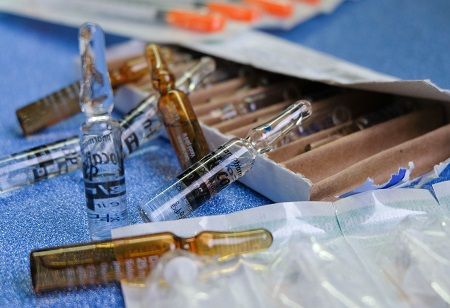
India builds a wider safety net for transplant medicines. The Centre has approved the Biovigilance Programme of India, placing the Indian Pharmacopoeia Commission in charge of monitoring adverse events.
Union Minister of State for Health Anupriya Patel announced the decision during the 6th National Pharmacovigilance Week.
The move expands India’s pharmacovigilance network beyond conventional drugs and medical devices, creating a dedicated system that covers both donors and recipients.
Officials say the program will strengthen the country’s ability to identify and respond to safety concerns in transplantation.
The new Biovigilance Program joins two existing national systems:
Together, the three programs will cover medicines, medical devices and products used in transplant procedures. Patel stressed that medicine safety must become everyone’s responsibility, noting that every reported event can save a life.
Also Read: How Regulatory Readiness Can Shape Pharma's Global Growth
The program will systematically collect, analyze, and act on safety data for products administered to organ and tissue donors as well as recipients. Officials describe it as a critical addition that closes a gap in India’s current monitoring framework. The initiative forms part of a broader push to make continuous safety monitoring and rational use of medicines standard practice across the healthcare system.
India has already climbed from 123rd place (2009-2014) to eighth globally in contributions to the WHO patient safety database. The country now operates around 1,150 adverse drug reaction reporting centers in public and private hospitals and medical colleges, along with medical-device vigilance facilities. The government plans to extend these capabilities to the primary healthcare level.
During the same event, Patel launched:
She also called for greater use of artificial intelligence and advanced data analytics to strengthen medicine safety systems and urged higher patient participation in reporting adverse events through digital platforms, mobile applications and helplines.
Patel said India should build on its position as the pharmacy of the world and aim to become a global leader in pharmacovigilance and patient safety. Success will depend on collaboration among government institutions, regulators, healthcare professionals, academia, research institutions, industry, and patients. The Biovigilance Program marks a clear step in that direction by extending systematic safety oversight to the specialized field of transplant medicines.
.jpg)