
India Pharma Outlook Team | Wednesday, 29 April 2026
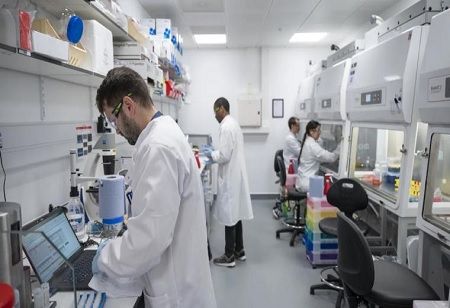
India stands at the heart of the Oxford malaria vaccine pact, as the Serum Institute of India joins hands with the University of Oxford to push forward a next-generation malaria vaccine candidate, R78C.
The partnership puts India in a key position to turn scientific progress into a vaccine that can reach millions worldwide.
The agreement focuses on developing a multi-stage vaccine designed to target the malaria parasite at different phases of its lifecycle.
This method aims to improve protection and make the vaccine more effective over time. By using specific parasite proteins, researchers are working to strengthen immune response and reduce the risk of severe infection.
"Malaria prevention continues to demand sustained scientific innovation, especially as efforts move towards vaccines that can target the parasite at different stages of its lifecycle," said SII Executive Director Dr Umesh Shaligram.
Also Read: Consumer Trust in OTC Products: The Science Behind Safety
India’s role is central to how quickly and widely this vaccine can be used. The Serum Institute will handle large-scale production and global distribution, ensuring the vaccine remains affordable for low- and middle-income countries. Its scale and cost efficiency are expected to play a major role in expanding access, especially in regions with high malaria burden.
The Oxford malaria vaccine pact builds on earlier collaboration between the two, including the R21 vaccine that has already shown encouraging results. The new R78C candidate is aimed at improving on those outcomes by offering broader and longer-lasting protection.
Malaria continues to claim hundreds of thousands of lives each year, with the highest impact in Africa. Experts see this partnership as a step toward faster development and wider reach. With India driving manufacturing and supply, the effort could significantly strengthen global malaria prevention if trials prove successful.
.jpg)


