India Pharma Outlook Team | Friday, 07 August 2026
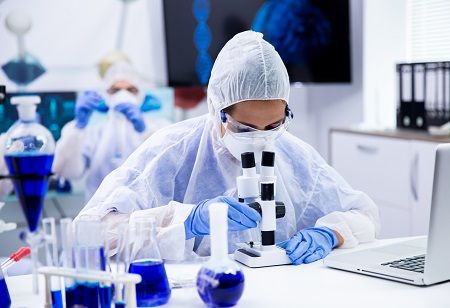
Drug research in India is undergoing a major shift as the government accelerates support for non-animal testing methods.
Policymakers are actively promoting advanced technologies such as organ-on-chip systems, organoids, and artificial intelligence to improve drug research outcomes.
This strategic move aligns with global scientific trends and strengthens India's drug discovery capabilities.
Government-backed initiatives, regulatory reforms, and institutional collaborations are driving the adoption of alternative testing methods.
This positions India as a leader in ethical, efficient, and human-relevant drug research across pharmaceutical innovation and safety evaluation frameworks.
Drug research in India is witnessing a structural transformation as the government prioritises non-animal testing methods. The Ministry of Health and Family Welfare, along with scientific agencies, is actively encouraging the adoption of human-relevant models in drug discovery. This policy direction strengthens regulatory science and enhances the quality of drugs.
Authorities are supporting the development and validation of alternative testing methods that can deliver faster and more accurate results. These efforts reduce dependence on traditional animal-based studies and improve translational success in clinical settings. The initiative reflects a clear commitment to modernizing drug research infrastructure across the country.
Also Read: Scaling Perfusion Technology from Lab Success to Manufacturing Reality
Drug research now integrates cutting-edge technologies such as organoids, organ-on-chip platforms, and AI in drug development. Organoids replicate human organ structures, while organ-on-chip systems simulate physiological responses in controlled environments. These innovations allow researchers to study drug effects with greater precision.
Artificial intelligence further enhances drug research by enabling predictive modeling and data-driven decision-making. These tools improve screening efficiency and reduce development timelines.
The Indian Council of Medical Research (ICMR) plays a central role in advancing non-animal testing within drug research. ICMR is actively working on validation frameworks and guidelines to standardise the use of alternative testing methods. These efforts ensure scientific reliability and regulatory acceptance.
Regulatory authorities are aligning approval processes with global best practices to support non-animal testing adoption. This alignment strengthens regulatory science in India and facilitates faster integration of innovative drug research methodologies into mainstream pharmaceutical development.
Drug research benefits significantly from the shift toward non-animal testing. These methods reduce ethical concerns associated with animal use while improving data relevance to human biology. Researchers can achieve more accurate predictions of drug safety and efficacy.
The transition also lowers costs and accelerates timelines in drug discovery in India. Pharmaceutical companies can streamline research processes and allocate resources more efficiently. Drug research in India is aligning with global efforts to replace animal testing with advanced scientific models.
This alignment strengthens India’s position in global drug discovery and reinforces its commitment to ethical and scientific excellence. The focus on alternative testing methods ensures that drug research continues to evolve with innovation and global standards.
India’s push for non-animal testing marks a decisive step in transforming drug research, as advanced technologies, regulatory support, and ethical innovation reshape drug discovery in India into a faster, accurate, and globally aligned ecosystem.
.jpg)