India Pharma Outlook Team | Thursday, 16 April 2026
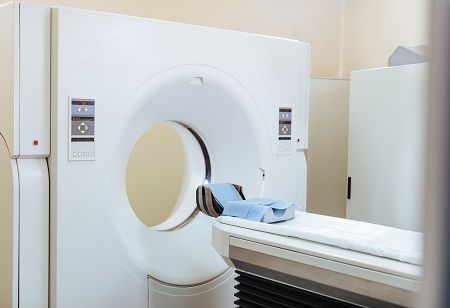
India’s radiotherapy device market is entering a high-growth phase, driven by a sharp rise in cancer cases, expanding healthcare infrastructure, and increased public investment in oncology care.
Industry estimates indicate the market could more than double over the next decade, signaling a structural shift in how cancer treatment is delivered across the country.
Market Poised to Double in Value
Recent industry analyses project that India’s radiotherapy device market will grow from roughly USD 150 million in 2024 to nearly USD 390 million by 2033–2034, reflecting a compound annual growth rate (CAGR) of around 9–12 percent.
Some broader estimates, which include related radiation oncology systems, suggest the market could reach over USD 700 million by 2032, underlining the scale of investment expected in this segment.
This growth positions India among the fastest-expanding radiotherapy markets in the Asia-Pacific region, fueled by both unmet demand and ongoing modernization of healthcare infrastructure.
Rising Cancer Incidence Driving Demand
At the core of this expansion is a growing cancer burden.
India records approximately 1.4–1.5 million new cancer cases annually, with projections indicating further increases in the coming years. Hospital data from across major states shows a steady rise in patient inflow, with some institutions reporting over 30 percent growth in cancer cases over the past decade.
Radiotherapy plays a central role in treatment. Global clinical data suggests that over 50 percent of cancer patients require radiation therapy at some stage, making access to radiotherapy equipment critical for improving survival outcomes.
Also Read: Building Sustainable Pharma Growth through Ethical Marketing Practices
Significant Gap in Treatment Infrastructure
Despite rising demand, India faces a substantial shortfall in radiotherapy capacity.
This gap is even more pronounced in underserved regions. Southern states account for a disproportionate share of installed equipment, while the North-East remains severely under-equipped.
The shortage presents both a public health challenge and a major growth opportunity for device manufacturers.
Expansion Beyond Metro Cities
A key trend shaping the market is the decentralization of cancer care.
Healthcare providers and state governments are increasingly investing in oncology facilities in Tier-2 and Tier-3 cities, reducing dependence on metro-based hospitals. New radiotherapy units, including high-value linear accelerator (LINAC) systems, are being installed in regional medical centers.
For instance, recent public-sector investments have seen radiotherapy equipment worth over Rs 40 crore deployed in single facilities, reflecting a shift toward strengthening district-level cancer care.
This geographic expansion is expected to significantly increase equipment demand over the next decade.
Shift Toward Advanced Radiotherapy Technologies
India’s radiotherapy landscape is also undergoing a technological upgrade.
Traditional cobalt-based machines, once the backbone of cancer treatment, are gradually being replaced by advanced systems such as:
These technologies offer higher precision, enabling clinicians to target tumors more accurately while minimizing damage to surrounding healthy tissue.
In parallel, premium segments such as proton therapy are gaining traction in select urban centers, although high costs continue to limit widespread adoption.
Global Players Dominate Competitive Landscape
The Indian market is currently led by multinational companies, including:
These companies dominate the supply of advanced radiotherapy systems, though policy initiatives encouraging domestic manufacturing could gradually reshape the competitive landscape.
Government Initiatives Supporting Growth
Public sector initiatives are playing a crucial role in expanding access to cancer care.
Large-scale health schemes and targeted oncology programs are enabling more patients to receive diagnosis and treatment. Government hospitals are increasingly equipped with modern radiotherapy systems, often offering services at subsidized or no cost.
Such initiatives are expected to drive higher utilization rates of radiotherapy equipment, particularly in lower-income and rural populations.
Key Challenges Persist
Despite strong growth prospects, several challenges continue to constrain the market:
Workforce shortageIndia faces a significant deficit of trained radiation oncologists, medical physicists, and technicians, limiting the effective use of installed equipment.
High capital costsAdvanced radiotherapy systems can cost between Rs 20 crore and Rs 40 crore or more, making them a major investment for hospitals.
Regulatory delaysApproval and installation processes for radiation equipment can take 12–18 months, slowing deployment timelines.
Urban concentrationMost high-end machines remain concentrated in major cities, creating disparities in access.
Outlook: Sustained, Long-Term Growth
The outlook for India’s radiotherapy device market remains strong.
In the short to medium term, growth will be driven by:
Over the longer term, the market is expected to evolve toward:
India’s radiotherapy device market is at a pivotal stage. A combination of rising disease burden, infrastructure gaps, and policy support is fueling sustained demand for advanced cancer treatment technologies.
While challenges around cost, workforce, and access remain, the direction is clear: India is steadily building the capacity needed to manage one of its fastest-growing health concerns.
The pace of this transformation will ultimately depend not just on investment in machines, but on the parallel development of skilled professionals and efficient healthcare delivery systems.

.jpg)