India Pharma Outlook Team | Friday, 29 May 2026
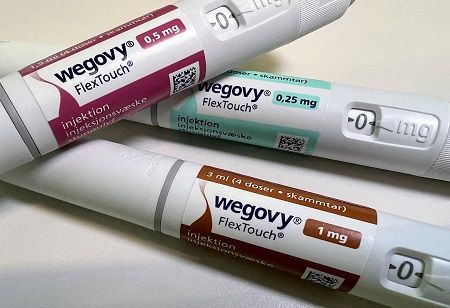
The Central Drugs Standard Control Organization (CDSCO) has approved an expanded indication for Novo Nordisk's weight loss drug Wegovy, allowing its use in adolescents aged 12 years and above who weigh more than 60 kg. The approval marks a significant development in India's growing obesity treatment landscape, particularly for younger patients seeking medical interventions for weight management.
Wegovy, a semaglutide-based injectable therapy, has been approved as an adjunct to a reduced-calorie diet and increased physical activity for managing obesity in eligible adolescents. The drug had previously received approval from the United States Food and Drug Administration for adolescent use in 2023.
The approval comes at a time when India bears the world's second-highest burden of childhood obesity, making access to effective treatment options an increasingly important public health priority. The expanded indication provides a new treatment option for adolescents, an area where approved therapies remain limited.
Novo Nordisk launched Wegovy in India in June 2025 and, according to industry estimates, the drug has already generated close to INR 100 crore in sales. The latest approval strengthens the company's position in the adolescent obesity treatment segment.
Also Read: AI Fake Prescriptions Fuel Misuse of Antibiotics & Drugs
With Eli Lilly's Mounjaro yet to receive approval for younger age groups and most generic semaglutide products restricted to adult use, Novo Nordisk currently remains the only company with an approved obesity treatment option for adolescents in India. This gives the Danish drugmaker a significant advantage in a market where demand for obesity management therapies continues to grow.
India's anti-obesity and weight loss drug market is currently valued at around INR 1,500 crore. Industry projections suggest the market could expand to between INR 8,000 crore and INR 25,000 crore by 2030, driven largely by rising demand for GLP-1 receptor agonist therapies.
The sector has witnessed significant momentum following the approaching expiry of key patents. Several domestic pharmaceutical companies have introduced more affordable generic semaglutide products, reducing monthly treatment costs to approximately INR 1,500 to INR 3,500 compared with branded therapies that can cost between INR 17,000 and INR 27,000 per month.
Healthcare experts believe greater affordability could improve access to obesity treatments, particularly in a country where obesity related conditions such as diabetes, hypertension, and cardiovascular disease continue to rise.
Beyond weight management, Wegovy is also approved in adults to reduce the risk of major cardiovascular events, including heart attack, stroke, and cardiovascular death, among eligible patients with obesity or overweight and established cardiovascular disease.
While semaglutide-based therapies have gained popularity for weight management, researchers continue to evaluate their safety profile. Recent studies have explored a possible association between weight loss medications and Non-Arteritic Anterior Ischemic Optic Neuropathy (NAION), a rare condition affecting the optic nerve.
According to Dr Chaitanya Vemu, Senior Consultant in Ophthalmology at KIMS Hospitals, Thane, current evidence suggests only a possible link rather than a confirmed cause-and-effect relationship. He noted that obesity, diabetes, hypertension, sleep apnea, and cardiovascular disease are themselves established risk factors for NAION, making it difficult to determine whether the medication alone contributes to the condition.
Researchers are continuing to investigate whether rapid metabolic changes, blood sugar fluctuations, dehydration, or vascular effects associated with GLP-1 receptor agonist therapies could contribute to circulatory issues affecting the optic nerve in susceptible individuals.
Healthcare professionals emphasize that Wegovy should be prescribed and monitored under medical supervision, particularly for patients with pre-existing health conditions.
With adolescent obesity becoming an increasingly important public health concern, the latest approval signals a new phase in India's obesity management market while highlighting the need for continued monitoring of long-term safety outcomes.

.jpg)