India Pharma Outlook Team | Tuesday, 21 April 2026
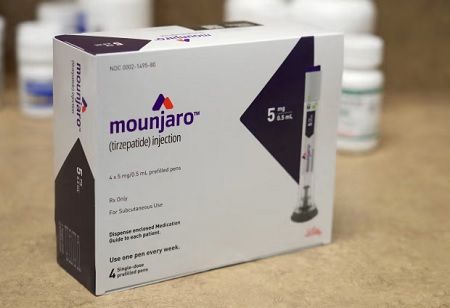
NCR’s fake Mounjaro problem is growing fast—and most people don’t see it coming.
In fact, it is no longer limited to shady corners of the market. It’s now tied to a Rs 70 lakh cache of counterfeit injections recently uncovered, pointing to a much larger issue beneath the surface.
Demand for Mounjaro has surged across India, driven by its growing reputation as a powerful weight-loss and diabetes drug.
That demand has created the perfect opening for counterfeit versions to quietly enter the market. These fake injections are not just being sold at suspiciously low prices—they are often priced close to the real product, making them harder to question.
What makes this situation more alarming is how convincing these products can look. The packaging, labeling, and even the injection pens are designed to mimic the original. To an average buyer—or even someone who has used the drug before—spotting the difference isn’t easy. That’s exactly what makes the problem so dangerous.
Also Read: Digital Health & E-Pharmacy: Reimagining Access, Trust & Care
The real risk lies inside the injection. Unlike genuine medication, counterfeit versions may contain unknown or incorrect substances. In some cases, there are concerns about completely different compounds being used in place of the actual drug. This can lead to serious health issues, including sudden drops in blood sugar, unexpected side effects, or no effect at all. Worse, these injections are often made in unregulated environments, raising the risk of contamination and infection.
Storage is another hidden issue. Authentic Mounjaro requires controlled temperatures to remain stable and effective. Fake versions, however, are often transported and stored without any medical standards. By the time they reach the buyer, the contents may already be compromised—even if the packaging looks perfect.
The rise of online marketplaces and informal supply chains has only made the situation harder to control. Buyers looking for convenience or better pricing may unknowingly turn to unverified sellers. In many cases, there is no way to trace where the product came from or how it was handled before purchase.
"We have been made aware of a recent development in relation to the seizure of a suspicious and counterfeit products that allegedly carry our product brand name Mounjaro (Tirzepatide). The said seizure resulted from an enforcement drive conducted in Gurugram by officials from the state drugs regulatory authority, Haryana," an official spokesperson from Eli Lilly and Company (India) revealed in a statement.
What’s driving all of this is simple: demand is outpacing supply. As more people turn to weight-loss solutions, especially injectable ones, the gap in availability creates an opportunity for illegal products to fill the space. And unlike obvious scams, this one blends in quietly with legitimate supply.
That’s what makes the Fake Mounjaro Problem Bigger Than You Think. It’s not loud or visible. It doesn’t look fake at first glance. But the impact can be real—and serious.
For consumers, the takeaway is clear. Buying injectable medication is not the same as buying over-the-counter products. Source matters. Verification matters. And when something feels even slightly off, it’s worth questioning.
.jpg)