India Pharma Outlook Team | Saturday, 14 November 2026
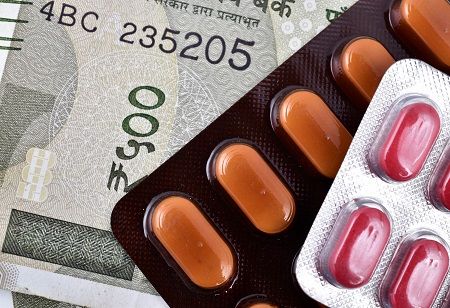
Cancer drug price reductions could ease treatment expenses, while the government's proposed Rs 7,000 crore bulk drug Production Linked Incentive (PLI) scheme aims to strengthen domestic manufacturing.
Meanwhile, proposed changes to clinical trial regulations could attract multinational pharmaceutical companies to conduct early-stage research in India.
These developments connect three important priorities for the sector: affordable medicines, stronger manufacturing capabilities and greater participation in global drug innovation. Together, they could shape India's next phase of pharmaceutical growth.
The revised maximum retail prices (MRPs) of 1,364 anti-cancer formulations took effect on November 9, 2026. The government expects these reductions to generate annual consumer savings of Rs 3,540.38 crore.
The National Pharmaceutical Pricing Authority (NPPA) also capped trade margins on 137 anti-cancer medicines. Key developments include:
Beyond price regulation, the proposed Rs 7,000 crore bulk drug PLI scheme aims to address domestic manufacturing gaps. Its proposed allocation includes:
Also Read: Moving Indian Pharma from Volume to Value Through Innovation and Strategic Partnerships
The government is considering allowing multinational pharmaceutical companies to conduct first-in-human Phase I clinical trials in India, including studies of molecules discovered overseas. Currently, regulations generally require foreign-developed drugs to generate overseas Phase I data before companies seek further trials in India.
The proposed change could:
However, regulators must maintain strong safeguards, including informed consent, independent ethics committee approvals, and compensation for trial-related injuries.
Greater research participation, stronger domestic manufacturing, and affordable cancer drug access could help India build a more competitive pharmaceutical ecosystem. The industry must also ensure that price regulation delivers lasting benefits for patients.