India Pharma Outlook Team | Friday, 17 April 2026
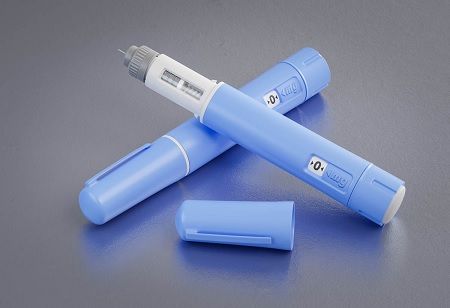
Indian pharma companies are witnessing a sharp drop in semaglutide API price even as demand for GLP-1 drugs surges across the country.
The fall comes right after the patent expiry of semaglutide in India, which has opened the market to a wave of generic drugmakers eager to capture a share of the fast-growing diabetes and weight-loss segment.
With multiple manufacturers entering the space, supply of the active pharmaceutical ingredient has increased rapidly.
This surge has triggered intense competition among API producers, pushing prices down significantly. Industry experts say the decline is unusual given the strong global demand for GLP-1 therapies, but the sudden spike in domestic production has shifted the balance.
Also Read: Role of Wellness in Corporate & Community Health
"The steep drop in semaglutide API prices is largely driven by massive capacity build-up in China, where multi-tonne scale production has significantly outpaced demand growth," said Vishal Manchanda, pharma analyst at Systematix Group.
Drugmakers are now racing to launch affordable versions of semaglutide, leading to aggressive pricing strategies. The semaglutide API price drop is expected to translate into lower treatment costs for patients, making these therapies more accessible. Monthly treatment costs, which were earlier considered premium, are now likely to fall sharply as generic versions expand in the market.
The development comes at a time when GLP-1 drugs are gaining traction not just for diabetes management but also for weight loss. This dual demand has drawn significant interest from Indian pharmaceutical companies, many of which are scaling up production capacities to stay competitive.
However, the rapid expansion also raises concerns around quality control and regulatory oversight. With dozens of players entering the market, maintaining consistent standards will be critical.
Overall, the current trend reflects a classic post-patent shift, where increased competition drives down costs while expanding access. For India’s pharma sector, this moment marks both an opportunity and a test as it positions itself in the global GLP-1 market.