
India Pharma Outlook Team | Thursday, 12 November 2026
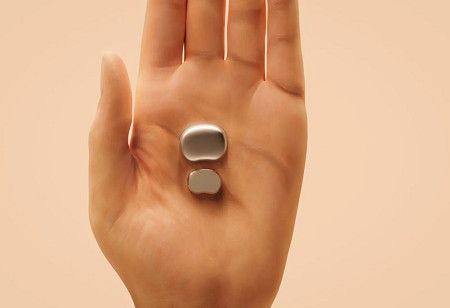
Temple wearable technology is attracting medical scrutiny as doctors question whether its brain blood flow monitoring claims stand up to scientific examination.
Developed by Deepinder Goyal, the Rs 85,000 health-tech device promises insights into cerebral circulation and other physiological metrics through optical sensors positioned near the temple.
However, the controversy highlights a critical distinction between tracking biological signals and accurately measuring brain function.
As wearable technology increasingly enters healthcare conversations, questions about clinical evidence, measurement accuracy, and regulatory oversight are becoming central to evaluating its credibility.
Indian doctors have challenged Temple’s BrainFlow feature, questioning whether its optical sensors can reliably measure blood circulation inside the brain. Critics argue that sensors positioned near the temple may primarily capture activity in superficial blood vessels, particularly the temporal artery, rather than directly assess cerebral blood flow.
The concern centers on whether Temple can distinguish scalp circulation from blood reaching brain tissue. Doctors also point to limited peer-reviewed evidence supporting its advertised capabilities and call for independent scientific validation.
Also Read: Strengthening India's Pharma Quality Infrastructure
Key concerns include:
Goyal describes Temple as a fitness and wellness device rather than a medical product. Temple also characterizes BrainFlow and Entropy as emerging metrics and expects further research to strengthen their scientific understanding.
The debate highlights how health-tech companies must distinguish wellness insights from clinically validated medical measurements. Similar concerns have emerged internationally:
Ultimately, Temple's controversy reflects a broader challenge for wearable health technology. Transparent research, credible evidence, and regulatory clarity remain essential to building trust, particularly when devices make claims about complex physiological functions such as brain circulation.



