We observe World Thalassemia Day every year on May 8, drawing attention to one of the most widespread blood disorders on the planet. It’s a term that isn’t familiar to the common men like cancer or heart attack. So, what really is thalassemia?
A Disease We Inherit Even Before Our Name
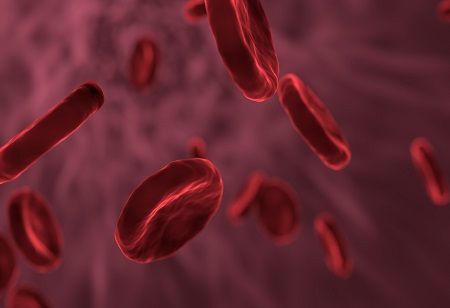
Thalassemia is a genetic condition in which your body cannot produce enough healthy hemoglobin. Hemoglobin is the protein inside your red blood cells that carries oxygen to every tissue and organ. A lack of hemoglobin causes your red blood cells to die quickly, leaving you in a state of chronic anemia. Thalassemia isn’t contagious; it’s passed down through faulty genes inherited from one or both of your parents. You don’t just catch it, you are born with it.
Thalassemia is not a condition; it is a spectrum. It is classified into two types; alpha and beta named after the protein chains that make up hemoglobin. Alpha thalassemia affects four genes; if you have just one or two faulty alpha genes, the symptoms may not be notable. But if you have three or four affected genes, you will suffer from lifelong severe anemia or die at birth.
On the other hand, beta thalassemia affects two genes; if you have just one faulty gene, you have just unnoticeable or mild symptoms, but two faulty genes will give you severe symptoms, splitting patients into those who can manage without regular blood transfusions and those who cannot. The sad part is most people might have one faulty gene and they would only realize it when they give birth to a child with a more serious condition than them.
Also Read: Thalassemia Drug Shortage Pushes Govt to Eye Generics
The Cure Exists, but Only for the Ones Who Can Find a Match
The only known cure for thalassemia is a bone marrow or stem cell transplant. But it’s not as easy as it sounds, it requires a donor whose tissue type, or HLA markers, match closely with the patient. Unfortunately, many children, they don’t find the match in their family. They have to live a lifetime of blood transfusions and iron chelation therapy with no exit.
A Half-Match That Changed Everything
Zehra, a five-year-old girl from Jaipur, had no donor matching in her family. She was also going to lead a life full of blood transfusions and suffering, but doctors at Max Super Specialty Hospital in Patparganj, east Delhi, chose a different path. They performed a haploidentical bone marrow transplant, using a donor who only shared half of Zehra’s HLA profile. The procedure was riskier due to higher risks of immunity complications and had a higher chance of failure. The transplant turned out to be successful, and Zehra recovered and was discharged in 28 days.
On World Thalassemia Day, her recovery is both a medical milestone and a hope, telling our children without a perfect match that the road to a cure is no longer closed.
.jpg)