
India Pharma Outlook Team | Monday, 13 April 2026
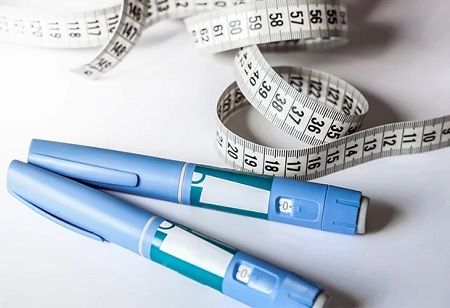
Weight-loss injections are gaining popularity across India, often positioned as a simple and effective solution for obesity. But only 4 in 10 Indians See Big Weight-Loss Results.
A study conducted at Max Super Speciality Hospital, involving 150 overweight and obese adults, found that only 40 percent of patients achieved at least 10 percent weight loss, a benchmark considered clinically meaningful.
While the drugs are clearly effective, the results fall short of the sweeping expectations built around them.
The study also showed that outcomes are far from uniform. Factors such as diabetes, age, metabolism, and treatment adherence significantly influenced results.
Patients without diabetes lost substantially more weight, while those who combined medication with lifestyle changes performed better overall. Even as newer drugs like tirzepatide showed faster progress compared to semaglutide, experts noted that medication alone was not enough to guarantee success.
At the same time, the findings highlight a broader shift in obesity treatment in India. Weight-loss injections are moving from being seen as optional therapies to becoming part of mainstream medical care. However, the data reinforces a key point: these drugs support weight loss, but they do not replace the need for sustained lifestyle changes.
Also Read: How Semaglutide Works: The Breakthrough Weight-Loss Drug
Key Data & Findings
What Drives the Variation
Drug Comparison Insights
Real-World vs Clinical Trials
What This Means
Weight-loss injections are proving effective, but the results are not the same for everyone. Most users experience moderate weight loss rather than dramatic change, with only a smaller group achieving major reductions.
The outcomes are shaped not just by the drug, but by a mix of biology and behavior, including metabolism, underlying health conditions, and daily habits. Overall, the findings point to a clear shift in obesity care, where medical treatment is increasingly being used alongside lifestyle changes rather than replacing them.


.jpg)
