
India Pharma Outlook Team | Thursday, 11 June 2026
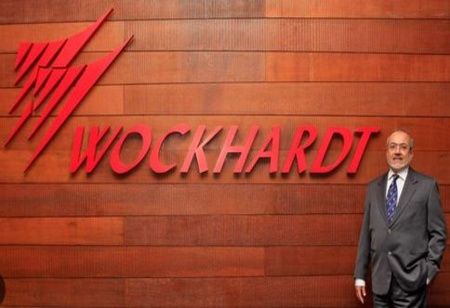
Wockhardt is aiming to generate 50% of its revenue from novel drugs over the next five years, marking a significant strategic shift toward innovation-led growth, backed by decades of investment in antibiotic research and development.
The company’s ambition is anchored in a robust pipeline of anti-infective therapies, including its recently approved breakthrough antibiotic Zaynich, alongside other candidates such as WCK 6777 and WCK 4282. This portfolio reflects a broader effort to build a differentiated antibiotic franchise rather than rely on a single blockbuster drug.
Wockhardt’s innovation journey has been shaped by an investment of nearly $800 million in antibiotic research over the past 20 years. This long-term commitment has yielded six novel anti-infective drugs at various stages of development and commercialization.
The company’s portfolio includes Zaynich, WCK 6777, WCK 4282, Miqnaf, and the already commercialized Emrok and Emrok-O. Together, these drugs are positioned to address growing global concerns around antimicrobial resistance, particularly in treating multidrug-resistant infections.
Zaynich, the most advanced asset in the pipeline, recently received approval from the US Food and Drug Administration (US FDA). In global Phase 3 trials, the drug demonstrated an 89% cure rate, significantly outperforming meropenem, the current standard of care, which showed a 68.4% cure rate.
Unlike traditional antibiotics, Zaynich adopts a novel mechanism. It combines cefepime, an existing antibiotic, with zidebactam, a new molecule designed to enhance its effectiveness. Rather than acting as a conventional inhibitor, zidebactam works as an “enhancer,” targeting bacterial resistance mechanisms differently and improving treatment outcomes.
This scientific differentiation is central to Wockhardt’s strategy of addressing antibiotic resistance, an area where many global pharmaceutical companies have reduced investments due to high risks and limited commercial returns.
Another key candidate, WCK 4282, is being developed to reduce resistance to meropenem, while WCK 6777 is positioned as a once-daily therapy for drug-resistant infections, offering improved patient convenience compared to existing multi-dose treatments.
Wockhardt’s Founder & Chairman Habil Khorakiwala described the company’s journey as one marked by scientific risk-taking and financial challenges. The company sustained its R&D efforts through internal funding, strategic partnerships, and continuous engagement with global experts and regulators.
With regulatory approval now secured for Zaynich, the company is entering the commercialization phase. The drug is expected to launch in the US within six to eight months and in India within five to six months. Revenue contribution is likely to begin from FY28, with FY29 projected as a high-growth “inflection year.”
At peak, Zaynich is estimated to have a global market opportunity of $1.5–2 billion annually.
Also Read: India Clears Wockhardt's Zaynich for Drug-Resistant Infections
Unlike many peers, Wockhardt has chosen not to out-license its novel drugs, instead opting to build its own global commercial infrastructure. The company plans to keep core functions such as medical engagement, sales strategy, and market access in-house, while selectively outsourcing operational activities.
This approach reflects a broader vision to create a scalable platform that can support multiple drug launches over time, maximizing long-term value from its innovation pipeline.
Looking ahead, Wockhardt expects its business mix to undergo a major transformation, with innovation and biologics playing a dominant role. The company believes that once the complex process of drug discovery and approval is mastered, scaling commercial operations becomes more achievable.
With multiple drugs in the pipeline and a clear focus on addressing unmet medical needs, Wockhardt is positioning itself as a global player in the anti-infective segment.
Wockhardt’s goal of deriving 50% of its revenue from novel drugs signals a decisive shift toward innovation-driven growth. Backed by a strong pipeline and global ambitions, the company is entering a new phase where scientific breakthroughs are expected to translate into sustained commercial success.
.jpg)


