
India Pharma Outlook Team | Tuesday, 22 September 2026
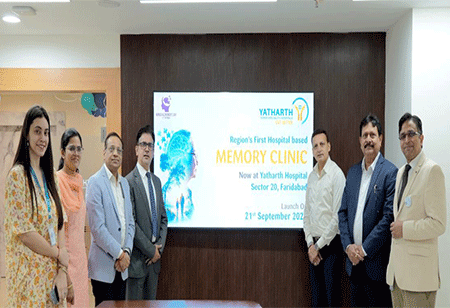
On the occasion of World Alzheimer’s Day, Yatharth Hospital, Sector 20, Faridabad, has launched the region’s first dedicated Memory Clinic aimed at providing comprehensive assessment, diagnosis and management for individuals experiencing memory loss, cognitive decline and other memory-related concerns.
The clinic brings together neurological and psychological expertise to enable timely evaluation and personalised management of patients, particularly those experiencing persistent or progressive changes in memory and cognitive function.
The clinic was launched in the presence of Dr (Prof) Kunal Bahrani, Chairman & Group Director – Neurology, Yatharth Hospital, Sector 20, Faridabad, Mr Amit Singh, CEO, Yatharth Group of Hospitals, Mr Ajay Bhardwaj, Facility Director, Yatharth Hospital, Sector 20, Faridabad among other dignitaries. The Memory Clinic at Yatharth Hospital, Sector 20, Faridabad, will be available Monday to Saturday from 3:00 PM to 4:00 PM, offering patients and families a dedicated avenue for evaluation, counselling and appropriate management of memory and cognitive concerns.
During the launch, Dr (Prof) Kunal Bahrani, Chairman & Group Director – Neurology, Yatharth Hospital, Sector 20, Faridabad said “Memory problems can affect a person’s independence, confidence and quality of life, while families often struggle to understand whether forgetfulness is a normal part of ageing or a sign of an underlying condition. A dedicated Memory Clinic can help bridge this gap by bringing systematic neurological and psychological assessment under one roof. Early evaluation is particularly important because several causes of cognitive decline can be identified and appropriately managed, while timely intervention can also help families plan care and support more effectively,”
Alongside the Memory Clinic, Yatharth Hospital has also introduced a dedicated Brain Health Package to facilitate comprehensive evaluation of brain and cognitive health. The package is designed to support early identification of potential concerns and provide a broader understanding of an individual’s neurological and cognitive wellbeing. Based on the assessment and diagnosis, patients may be guided towards suitable management options depending on their clinical condition, age, symptoms and overall health.
Dr Kunal further added “Management of memory-related disorders has evolved significantly, and treatment today is not limited to medication alone. Depending on the diagnosis and eligibility of the patient, the treatment approach may include symptomatic therapy, Cognitive Behavioral Therapy, neuromodulation techniques such as repetitive Transcranial Magnetic Stimulation (rTMS) or other forms of brain stimulation, and targeted therapies including monoclonal antibodies for eligible patients with Alzheimer’s disease. The objective is to offer an individualised treatment strategy while addressing both cognitive symptoms and the patient’s overall functional and emotional wellbeing.”
Mr Amit Singh, CEO, Yatharth Group of Hospitals said “Launching the region's first dedicated Memory Clinic reflects our commitment to strengthening specialised neurological care and making timely assessment and management more accessible. Through this initiative, we aim to support patients and families with comprehensive evaluation, expert guidance and personalised care, while creating greater awareness about the importance of recognising cognitive concerns early.”
Mr Ajay Bhardwaj, Facility Director, Yatharth Hospital, Sector 20, Faridabad said “The Memory Clinic is designed to provide patients and families with a structured and supportive pathway for addressing memory-related concerns. By bringing specialised evaluation, counselling and appropriate management under one roof, we hope to encourage people to seek timely medical advice and ensure that persistent changes in memory are not overlooked.”
The launch of the Memory Clinic reinforces the importance of recognising early warning signs such as persistent forgetfulness, difficulty performing familiar tasks, problems with communication or decision-making, changes in behaviour and difficulty managing routine activities. While occasional forgetfulness can occur with ageing, persistent or worsening cognitive changes warrant professional evaluation rather than being dismissed as a normal consequence of growing older.
.jpg)