Charting India’s Pharma Journey 2025
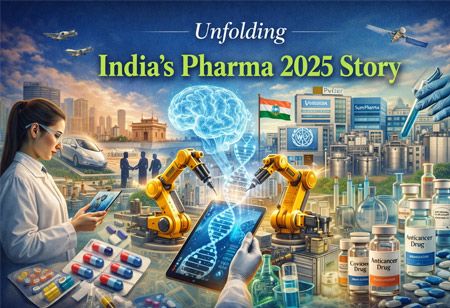
A new era is unfolding in India’s pharmaceutical landscape in 2025, where innovation, collaboration, and regulatory rigor are driving transformative growth. From cutting-edge drug launches and strategic partnerships to the adoption of AI, digital health, and high-quality lab solutions, the sector is redefining patient care and global competitiveness. With government initiatives, advanced manufacturing, and talent-driven Global Capability Centres fueling progress, India is emerging as a hub where scientific excellence, affordability, and strategic foresight converge to shape the future of healthcare.
The Regulatory Wave Steering Pharma in 2025

In 2025, India is reinforcing its position as a globally compliant pharmaceutical hub through decisive regulatory action. The government plans to strengthen WHO benchmarking for drug regulation, aiming to elevate domestic standards to meet international expectations. CDSCO has launched the ONDLS system to closely monitor high-risk pharma solvents, enhancing safety and compliance across manufacturing units.
This significant move is to ensure traceability and patient safety, which is the cause to implement QR codes mandatory on vaccines, anticancer, and narcotic drugs. Simultaneously, India has initiated a probe into the anti-dumping of TB drug ingredient imports, signaling vigilance against unfair trade practices. Collectively, these measures demonstrate a proactive, transparent, and globally aligned regulatory framework shaping the pharma sector’s growth trajectory.
A Beacon of Pharma Manufacturing Excellence

An ounce of excellence defines India’s pharma story in 2025, as global and domestic players vie to reshape therapies and markets. Novo Nordisk’s launch of Ozempic marks a direct challenge to Mounjaro’s dominance, reflecting rising competition in the diabetes therapy segment. Meanwhile, India has unveiled NODUCA, the world’s first NorUDCA drug, signaling the country’s growing capability in novel molecule development.
Mounjaro continues to lead domestically, emerging as India’s top-selling drug with revenues crossing INR 100 crore. Pfizer reinforces its specialty portfolio with the introduction of Rimegepant, expanding treatment options for migraine patients. Collectively, these developments underscore India’s maturation as a hub for cutting-edge therapies, balancing global collaborations with homegrown innovation, and positioning the country as a beacon of pharmaceutical excellence and patient-centric solutions.
Collaboration Drives Innovation

India’s pharmaceutical partnership landscape in 2025 is witnessing strategic collaborations that are reshaping innovation, patient care, and market reach. AstraZeneca and Sun Pharma have joined forces to strengthen hyperkalaemia treatment options, combining expertise to accelerate patient-centric solutions. GSK’s alliance with LTZ is driving forward the development of novel cancer therapies, reflecting a focus on high-impact R&D collaborations.
Himalaya Wellness has partnered with Unicommerce to enhance omni-channel capabilities, improving distribution efficiency and consumer engagement. Meanwhile, Roche has expanded its global partnership with Veeva Vault CRM, enabling seamless digital transformation and data-driven insights across markets. These alliances underscore how collaboration is emerging as a critical driver of growth, innovation, and competitive advantage in India’s evolving pharma ecosystem.
Leadership Lens

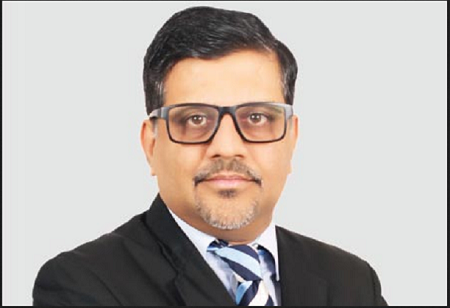
Rashmi Pimpale is an industry professional with over two decades of experience in pharmaceutical sciences, industrial R&D, intellectual property management, and leading government initiatives, highlights how AI, machine learning, and digital health technologies are redefining India’s life sciences landscape. These tools accelerate drug discovery through rapid target identification, virtual screening, and predictive analytics while enabling personalized medicine and optimized clinical trials. Startups like MolVerse, Algen BioTechnologies, and Centella are pioneering breakthroughs in molecular modeling, CRISPR-based therapeutics, and generative AI for drug design.
Digital health innovations including telemedicine, remote monitoring, and AI-powered hospital management, are expanding access and improving patient outcomes across urban and rural India. By integrating big data, secure infrastructure, and advanced analytics, the sector is poised for efficient, scalable, and patient-centric growth, driving India toward a global life sciences leadership role.
Nagalakshmi Shetty, a recognized industry leader with over two decades of experience, Nagalakshmi serves on the SCDM India Board and was its first female India Chair, highlights India’s emergence as a preferred hub for Global Capability Centres (GCCs), particularly in the life sciences and healthcare sectors. Leveraging a highly skilled workforce, cost advantages, government support, and a robust innovation ecosystem, India hosts over 1,700 GCCs, with pharma and healthcare companies like Novartis, Sanofi, and Amgen establishing significant operations. GCCs have evolved from cost-saving units to strategic, innovation-driven centres handling end-to-end functions, from drug development and clinical data management to regulatory and pharmacovigilance services.
Shetty emphasizes that effective GCC operations require strong local leadership, clear governance, and seamless collaboration with global teams. By investing in talent development and fostering a supportive ecosystem, healthcare GCCs in India are not only optimizing global operations but also driving innovation, enhancing operational excellence, and shaping the future of life sciences delivery. This positions India as a strategic hub for healthcare innovation, capable of balancing efficiency with long-term value creation.
Rajiv Gupta has over two decades of experience driving profitable growth in competitive markets, highlights India’s rapidly evolving medical device sector, where 70 percent of devices are still imported. He emphasizes the shift toward local manufacturing, cost-effective innovation, and leveraging government initiatives like Make in India, PLI schemes, and Medical Device Parks to enhance affordability and reduce import dependence.
Gupta underscores the importance of aligning product development with local needs, focusing on consumables, disposables, and increasingly sophisticated devices using technologies like 3D printing, CNC machining, and robotics. By adopting pharma-inspired strategies, fostering public-private collaboration, and investing in R&D with a customer-first approach, India’s medical device ecosystem is poised for scalable, cost-effective growth while ensuring quality and accessibility across diverse healthcare settings.
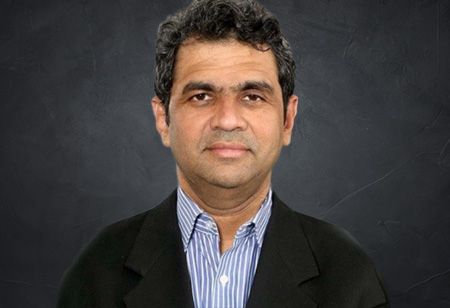
Amit Sehgal, with over two decades of experience in life sciences, biotechnology, and healthcare, highlights the pressing quality challenges in India’s rapidly expanding scientific sector. Rising demand has put significant pressure on manufacturers, making consistent, high-quality lab solutions critical. Sehgal emphasizes that quality underpins reliability, reproducibility, and credibility in research, directly impacting innovation, patient safety, and environmental outcomes.
He notes that quality-driven approaches enable laboratories to pursue innovation confidently, from drug development to biologics manufacturing. Leveraging robust quality assurance systems, adherence to international standards, and sustainable practices, Avantor and other industry leaders are ensuring dependable, precise, and scalable lab solutions. This focus on quality is essential for India’s scientific sector to drive discovery, sustainability, and global competitiveness.
Conclusion
As India’s pharma sector accelerates toward 2025, the convergence of innovation, quality, and strategic collaboration sets a robust foundation for sustainable growth. Leaders across life sciences, medical devices, and lab solutions are pioneering patient-centric approaches while balancing affordability, regulatory compliance, and technological advancement. With investments in talent, R&D, and digital transformation, the industry is not only addressing domestic healthcare needs but also positioning India as a globally trusted hub for cutting-edge solutions and a beacon of pharmaceutical excellence.

.jpg)


, CDSCO.jpg "Fostering a Quality Culture in the Pharmaceutical Industry")