
Zeenat Parween, Correspondent, India Pharma Outlook

The financial year-end is a critical time for businesses to close accounts, review performance, and prepare for the next cycle. For the Pharma Financial Year-End, the process becomes even more important due to strict compliance, inventory control, and regulatory requirements.
A well-structured Financial Year-End Checklist 2026 helps ensure nothing is missed, while a comprehensive Financial Year-End Checklist keeps operations smooth, accurate, and audit-ready.
1. Financial Reconciliation for Tax Accuracy
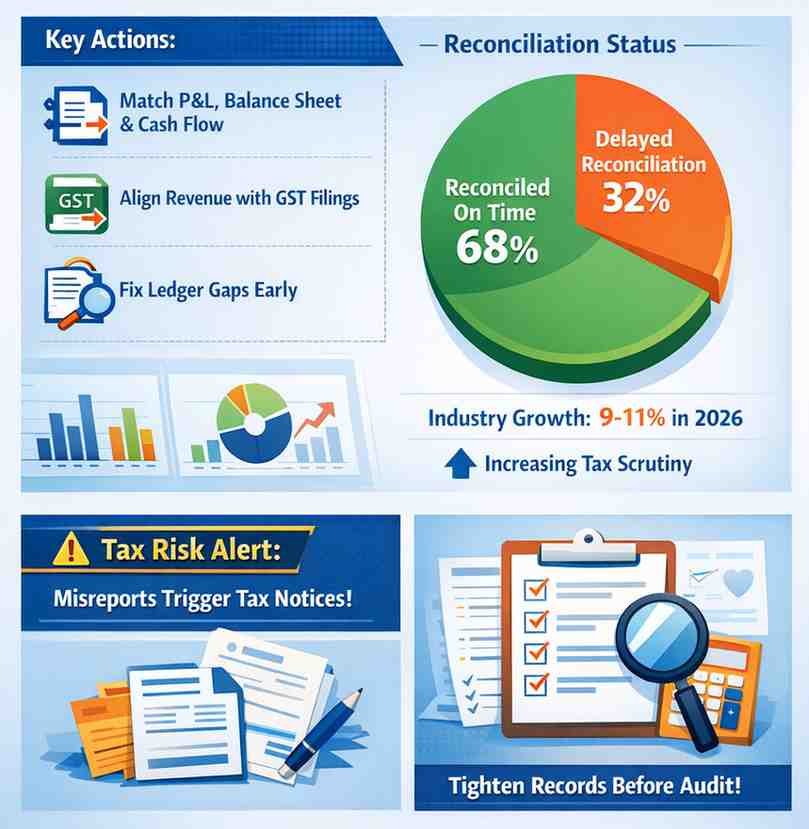
Start by tightening your financial reconciliation. Match your P&L, balance sheet, and cash flow so every number tells the same story. Make sure your revenue aligns with GST filings—this is where most mismatches show up.
Fix ledger gaps early, not during the audit. Even small errors can trigger tax notices. And with pharma growth picking up in 2026, scrutiny is only getting sharper.
2. Inventory Adjustments & GST Impact
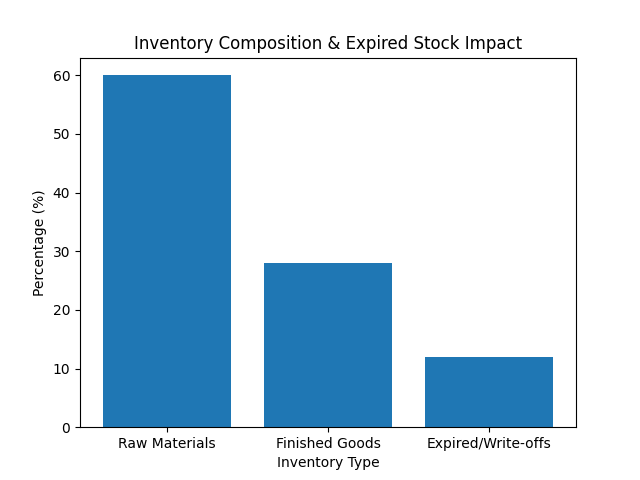
Inventory can quietly distort your numbers if you don’t act in time. Start by identifying stock that is expired or close to expiry. These items must be written off properly in your books. Don’t miss the GST impact on unsellable inventory—it directly affects your tax calculations. Around 12 percent of pharma inventory typically expires before adjustments are made.
If you skip this step, your closing stock looks higher than it actually is, which can lead to incorrect tax liability and audit issues later.
Also Read: How to Apply for India's Rs 10,000 Crore Biopharma SHAKTI Scheme
.jpg)





, CDSCO.jpg "Fostering a Quality Culture in the Pharmaceutical Industry")