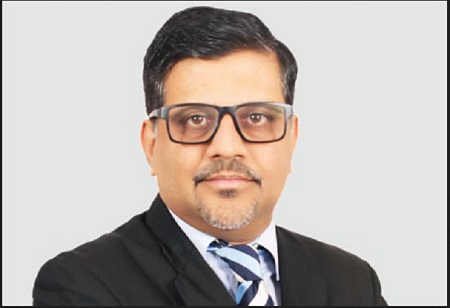
Biophilin works with approximately 1,500 doctors, has a team of around 35 employees and supplies products to more than 25 hospitals in Bengaluru
Murali Bheemanna, Chairman


India’s generic pharmaceutical industry occupies a distinctive position in global healthcare, combining manufacturing scale with the ability to make essential therapies more affordable. India currently supplies around 20 percent of the world’s generic medicines by volume and ranks third globally in pharmaceutical production by volume, according to the India Brand Equity Foundation (IBEF). The domestic pharmaceutical market, valued at approximately USD 60 billion in FY26, is projected to reach USD 130 billion by 2030.
Yet, as the sector expands, the opportunity is increasingly tied to a more demanding proposition: maintaining affordability while strengthening quality, regulatory discipline, market reach and product differentiation. Bengaluru-based Biophilin Pharmaceuticals is building its business around this balance.
Beginning with branded generics and acute-care therapies, the company has developed a portfolio of 34 products while steadily building relationships with doctors, hospitals, distributors and manufacturing partners. Its next phase is centered on strengthening its presence in carefully selected markets, widening its therapeutic portfolio and creating a dependable distribution ecosystem that can support sustainable growth.
At the helm is the company’s Chairman, Murali Bheemanna, whose entrepreneurial journey spans more than 28 years across engineering, real estate, land trading, contracting and infrastructure development.

A Diploma holder in Automobile Engineering, his entry into pharmaceuticals was shaped not by his earlier businesses, but by years spent accompanying his parents through prolonged medical treatment. Watching patients and families struggle with the cost of medicines convinced him that his next enterprise should combine commercial sustainability with a larger healthcare purpose.
Earning Trust in a Difficult Market
For Biophilin, the initial challenge was not simply introducing medicines but persuading the market to trust a new pharmaceutical name. Doctors and distributors were understandably cautious, making acceptance one of the company’s earliest hurdles.
Rather than treating this solely as a sales challenge, Biophilin concentrated on product quality, manufacturing relationships and technically grounded engagement with healthcare professionals. The company works with established third-party manufacturing partners while building internal capabilities around compliance, sales and operations.
Over time, consistent engagement began translating into prescriptions and wider recognition. Today, Biophilin works with approximately 1,500 doctors, has a team of around 35 employees and supplies products to more than 25 hospitals in Bengaluru. Its portfolio currently comprises 34 products, with plans to increase this to more than 45 by the end of the financial year.
The company is simultaneously becoming more selective about how it approaches portfolio and market development. Instead of viewing growth simply through the number of products launched or territories entered, it is concentrating on products that can address sustained healthcare demand and develop into stronger brands.
“Biophilin is increasingly identifying products with the potential to develop into stronger brands and support sustainable market expansion,” speaks Ujwal Gowda, Head of Operations.
Biophilin works with approximately 1,500 doctors, has a team of around 35 employees and supplies products to more than 25 hospitals in BengaluruMurali Bheemanna, Chairman
Bringing Discipline to an Entrepreneurial Business
As this operating foundation strengthens, Biophilin is building a portfolio spanning generic medicines, paediatric care, antibiotics and diabetes, with chronic-care therapies forming part of its longer-term direction. The approach reflects an intention to build relevance across both immediate and recurring healthcare requirements while ensuring that portfolio expansion remains aligned with actual market demand.
Accessibility is another important part of this strategy. Rather than relying solely on product introductions, the company intends to strengthen the distribution network supporting these therapies so that medicines can reach healthcare providers and patients consistently. For Biophilin, a strong portfolio and reliable market access need to develop together if growth is to remain sustainable.
Building Depth in Key Markets
Geographically, Biophilin is taking a focused approach to expansion. Karnataka remains a key market, while Telangana and Tamil Nadu are among the priority states where the company intends to progressively strengthen its presence. These markets have been identified based on healthcare demand as well as the opportunity to develop meaningful relationships with doctors, distributors and other local stakeholders.
International expansion is being approached with similar selectivity. Rather than pursuing a broad geographical footprint immediately, Biophilin is exploring specific African opportunities, including Rwanda. The emphasis is on understanding individual markets, establishing the right local partnerships and creating a distribution foundation before scaling further.
This measured approach represents an important aspect of Biophilin’s evolving growth philosophy. Entering more geographies may create visibility, but the company believes long-term value will come from building a credible and sustainable presence within each market. Consequently, partnerships, distribution reliability and healthcare-provider relationships are expected to remain central to its expansion strategy.
From Branded Generics to a Broader Healthcare Vision
Biophilin’s longer-term ambitions extend deeper into the pharmaceutical value chain. The company has acquired land in Bengaluru Rural district as it works towards establishing its own manufacturing facility. In parallel, it intends to build R&D capabilities and collaborate with scientists, pharmacologists and research professionals to eventually develop differentiated molecules and proprietary products.
Over the coming years, the immediate roadmap will remain anchored around strengthening Karnataka while developing Telangana and Tamil Nadu, building the portfolio across generics, paediatric medicines, antibiotics and diabetes, and gradually moving further into chronic care. Selected international markets such as Rwanda provide another avenue for growth, but expansion will be paced around the company’s ability to establish reliable partnerships and distribution capabilities.
The objective, therefore, is not geographical expansion for its own sake. Biophilin wants each new market to be supported by products suited to healthcare demand, dependable distribution and strong local relationships. This approach is intended to help the company transition from an emerging pharmaceutical business into a more scalable organisation without losing the discipline required in healthcare.
For Biophilin, scale is not intended to be an end in itself. The company is seeking to evolve into a stronger pharmaceutical enterprise capable of combining affordability, quality, scientific capability and wider market access. By building its therapeutic portfolio and geographic presence progressively rather than indiscriminately, Biophilin aims to create a business where accessibility and sustainable growth reinforce each other - remaining true to the healthcare purpose that shaped its beginnings.



, CDSCO.jpg "Fostering a Quality Culture in the Pharmaceutical Industry")