Esslon's research and development strategy begins with identifying diseases that represent substantial unmet medical needs
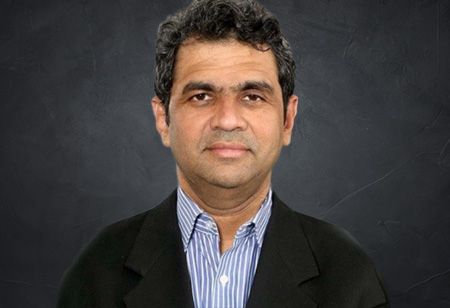
Jitendra Awasthi, Founder & Director


Pharmaceutical research and development is undergoing a fundamental transformation. While synthetic molecules continue to dominate therapeutic innovation, there is growing global interest in scientifically validated natural medicines that combine traditional knowledge with modern drug development principles.
Rising healthcare costs, antimicrobial resistance, emerging infectious diseases, and the need for safer, more accessible therapies have accelerated investments in evidence-based research across complementary medicine systems.
According to the World Health Organization (WHO), dengue alone places nearly half of the world's population at risk, with hundreds of millions of infections occurring annually, highlighting the urgent need for effective therapeutic interventions beyond supportive care.
Within this evolving landscape, companies that can successfully bridge traditional medicine with contemporary pharmaceutical science are creating a new avenue for innovation. Esslon Pharma is a DPIIT-recognized startup, is among the emerging organizations pursuing this path.
Rather than positioning Ayurveda as an alternative to modern medicine, the company is focused on applying rigorous scientific methodologies to develop standardized, clinically validated Ayurvedic drugs that address significant unmet medical needs.
Its flagship research programme targeting dengue reflects this philosophy, combining traditional medicinal knowledge with robust preclinical research, quality-controlled manufacturing, and regulatory-focused development.
“By bringing scientific discipline to Ayurvedic drug discovery, Esslon is contributing to a broader movement that seeks to establish evidence-based herbal therapeutics as credible additions to the global pharmaceutical landscape,” adds Jitendra Awasthi, Founder & Director.
Developing an Ayurvedic Drug for a Global Health Challenge
At the heart of Esslon Pharma's research strategy is the development of a patented multi-herb Ayurvedic formulation designed to address dengue through a fundamentally different approach. While many herbal formulations currently available in the market primarily function as supplements aimed at improving platelet counts, Esslon is developing its formulation as a therapeutic drug intended to intervene in the disease process itself.
The formulation is being designed to exhibit antiviral activity capable of inhibiting dengue virus replication while simultaneously delivering immunomodulatory effects that support platelet recovery. This dual mechanism reflects the company's broader objective of creating a standardized pharmaceutical product rather than a conventional herbal supplement.
Esslon's research and development strategy begins with identifying diseases that represent substantial unmet medical needsJitendra Awasthi, Founder & Director
The programme has already progressed through extensive in vitro and in vivo studies that have demonstrated encouraging safety and efficacy signals, providing the scientific foundation for planned clinical development. By focusing on mechanism-driven research supported by structured preclinical evidence, Esslon seeks to elevate Ayurvedic drug development to standards expected within the modern pharmaceutical industry.
Building Scientific Credibility through Research and Collaboration
Esslon's origins lie in retail pharmacy and a family legacy deeply rooted in Ayurvedic medicine. The company's founder drew inspiration from decades of clinical experience accumulated by his father, an MD in Ayurveda and former Head of Department at a government Ayurvedic college, whose extensive patient interactions highlighted persistent gaps in available treatment options.
Recognizing the need for scientifically validated Ayurvedic medicines, Esslon adopted a research-first approach from its inception. The company has assembled an experienced scientific team, established incubation support through NIPER Hyderabad, and initiated collaborations with leading research institutions to strengthen both its research capabilities and regulatory preparedness.
Unlike many organizations operating within the Ayurvedic sector, Esslon places significant emphasis on formulation standardization, quality assurance, documented mechanisms of action, and carefully designed scientific studies. This commitment to research has enabled the company to build a growing portfolio of proprietary formulations through active collaboration with leading scientists engaged in drug development.
The emphasis on scientific validation reflects Esslon's belief that the future of Ayurveda lies not in tradition alone but in generating evidence that satisfies clinicians, researchers, regulators, and patients alike.
A Patient-Centric Model for Pharmaceutical Innovation
Esslon's research and development strategy begins with identifying diseases that represent substantial unmet medical needs. Rather than developing products based solely on traditional indications, the company evaluates epidemiological burden, clinical challenges, patient requirements, and evolving regulatory expectations before initiating development programmes.
Patient feedback, physician insights, advances in immunology, biomarker research, and formulation science collectively influence project selection and product design. This integrated development model ensures that scientific innovation remains closely aligned with clinical relevance and regulatory feasibility.
The company also recognizes that successful pharmaceutical development demands close coordination across research, regulatory affairs, manufacturing, and commercialization. Cross-functional planning from the earliest stages enables efficient decision-making, effective resource allocation, and structured milestone tracking throughout the product development lifecycle.
Such integration helps maintain both scientific rigor and commercial viability while progressing complex research programmes toward clinical readiness.
Shaping the Future of Evidence-Based Ayurveda
As a startup, Esslon also recognizes that developing a standardized Ayurvedic drug for dengue is both time- and resource-intensive. While the company has made significant progress through preclinical research, it acknowledges the need for stronger institutional support to accelerate clinical development.
Esslon is therefore actively seeking collaborations with government agencies, research institutions, pharmaceutical companies, and investors who share its vision of bringing an evidence-based Ayurvedic dengue drug to the global market.
The company believes that such partnerships will not only help address a major unmet medical need affecting millions worldwide but also create substantial commercial opportunities. A successfully validated therapy would position Esslon and its collaborators with a significant first-mover advantage in an emerging therapeutic category while delivering meaningful public health impact on a global scale.
Looking beyond dengue, Esslon plans to expand its research into therapeutic areas including chronic kidney disease, arthritis, migraine, hyperuricemia, cardiovascular disorders, and oncology. The company's broader ambition is to establish a new generation of evidence-based Ayurvedic medicines capable of achieving regulatory acceptance, clinical confidence, and widespread accessibility.
By combining centuries of traditional knowledge with modern pharmaceutical science, Esslon Pharma is positioning itself as an emerging contributor to the evolving future of research-driven, patient-centric healthcare innovation.
.jpg)
, CDSCO.jpg "Fostering a Quality Culture in the Pharmaceutical Industry")