
our offerings reflect a broader belief that long-term pain medications, combined with lifestyle modification, should be explored before invasive interventions
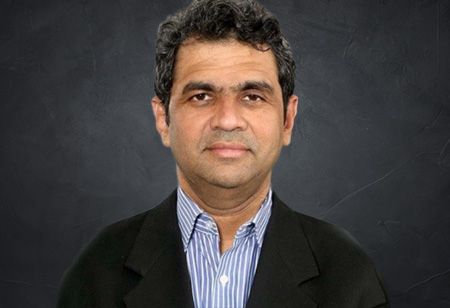
Dr Shyamasree Choudhury Sarkar, Director


Pain today is no longer treated as a momentary complaint. It has become a chronic clinical problem in India that is influenced by age, lifestyle, and access to medical services. With a market of approximately INR 16,000 crore, India’s pain management system and orthopedics market is gradually abandoning its major dependence on oral pills. Doctors and patients are moving toward topical formats such as oils, gels, sprays, and patches, along with advanced DMARD combinations that pair analgesics with muscle relaxants or nerve-regenerating agents. The trend is indicative of a structural transformation in the understanding and treatment of chronic pain.
It is on this ground that Jupiter Pharmaceuticals enters the picture. The company has established its presence by aligning closely with the evolving nature of treatment itself. It was established on the principles of consistency and patient outcomes and has expanded consistently over major therapy units, including gastroenterology, respiratory care, and pain management. Rather than positioning itself loudly, it has taken a quieter route, shaped by clinical practice and long-term use patterns, especially in chronic conditions where trust builds over time.
Responding to Chronic Pain in an Aging Market
Dr Shyamasree Choudhury Sarkar, Director at Jupiter Pharmaceuticals says, “In pain management and orthopedics, our approach reflects current realities. The demand of chronic arthritis and spondylitis is at the peak with the growing elderly population in India. Simultaneously, the industry is experiencing a margin-squeeze, caused by pricing pressures, outpatient care movements, and the growing influence of pharmaceutical weight-loss therapies.” These medications are transforming orthopedic decision-making, frequently postponing surgeries by enhancing mobility and decreasing joint load by means of weight optimization and structured mobility routes.
Within this space, the company has developed the Jrumax range, including Jrumax Capsule and the highly efficacious Jrumax Oil, with upcoming gel and spray formats. Such offerings reflect a broader belief that long-term pain medications, combined with lifestyle modification, should be explored before invasive interventions. The company is a strong advocate of non-surgical management, particularly as the shift toward Ambulatory Surgery Centers brings its own structural limits and cost pressures.
Shaping Medicine for Long-Term Use
What differentiates the company’s formulation model is its emphasis on guaranteed efficacy, supported by trials on patients rather than theory alone. Furthermore, product development involves doctors and subject experts from the early stages, ensuring that formulations respond to real clinical needs. Quality benchmarks go beyond GMP and ISO. “In-Vitro In-Vivo Correlation and detailed dissolution profiling are used to ensure predictable performance and avoid risks such as dose dumping, a critical concern in pain therapies,” notes Dr Shyamasree Choudhury Sarkar. Manufacturing is moving from routine processes to more responsive, automated systems. The focus has moved from simple digitization to autonomous factory orchestration, allowing systems to respond in real time while meeting stricter regulations laid down by the government for quality assurance. The company is also aligning cost structures through better control of key starting materials, helping sustain margins without compromising reliability. our offerings reflect a broader belief that long-term pain medications, combined with lifestyle modification, should be explored before invasive interventionsDr Shyamasree Choudhury Sarkar, Director
Delivery on the ground remains a defining strength. Field teams are trained as Clinical Advisors, capable of discussing therapy rationale rather than just product features. Awareness camps, trial packs, and regular doctor interactions are part of this model. Retail partners receive guidance on counseling patients who rely on long-term pain medications, helping reduce drop-off and misuse.
In pediatrics, the approach is equally measured. Conditions such as Juvenile Idiopathic Arthritis, one of the most common chronic childhood conditions, are often mistaken for growth pains or sports injuries. Since children may not describe joint stiffness clearly, diagnosis is delayed. Feedback from clinicians suggests that topical options like Jrumax Oil have shown benefits in such cases due to better tolerance.
Much of this discipline was shaped earlier through gastroenterology. The launch of the blockbuster brand Carminozyme created a base, followed by expansion into acid management, chronic disease management such as IBS, and lifestyle-related conditions. Offline promotion, CRM, and awareness campaigns played a key role in sustaining growth. “In respiratory care, we remain strong, with long-standing brands prescribed widely, especially in Eastern India,” notes Dr Shyamasree Choudhury Sarkar.
Shaping the Future of Pain Management in India
The long-term vision of the company reflects where pain care in India is headed. There is a clear intent to build leadership in natural-first pain management by thoughtfully blending modern pharmaceutical molecules with standardized Ayurvedic extracts, especially for chronic conditions such as osteoarthritis that demand sustained care.
As access to healthcare expands beyond metros, growth will increasingly come from tier-2 and tier-3 markets, where a hybrid-access model can bridge gaps in awareness and continuity. Rather than chasing speed or scale, the emphasis remains on staying clinically relevant, responsive to change, and closely aligned with how doctors and patients actually manage pain over time.
.jpg)

, CDSCO.jpg "Fostering a Quality Culture in the Pharmaceutical Industry")